
Panama, Cuba, Colombia, Peru, Bolivia, El Salvador: Citizens Have Fallen Prey to Networks Recruiting for Russia
The investigations document cases in Cuba, Colombia, Peru, Bolivia, Panama, and El Salvador. Panama confirmed at least 15 citizens linked to the conflict, one death, and two reports of alleged recruitment through deception.
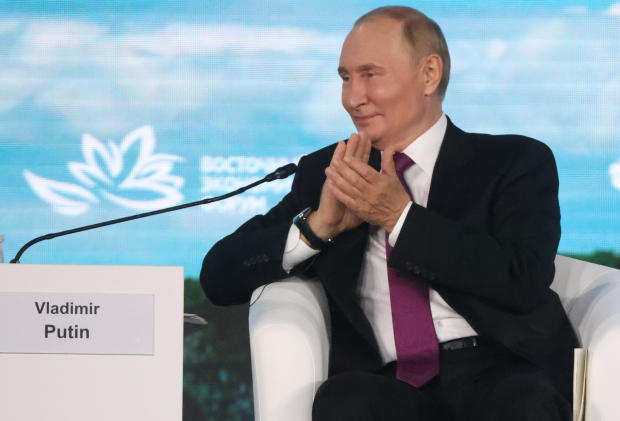
VLADIVOSTOK, RUSSIA - SEPTEMBER 5 (RUSSIA OUT) Russian President Vladimir Putin applauds during the plenary session of the Eastern Economic Forum 2024, September 5, 2024, in Vladivostok, Russia. Putin is having a four-days trip to the regions of Eastern Russia and Mongolia. (Photo by Contributor/Getty Images)
Citizens from Cuba, Colombia, Peru, and Bolivia have fallen prey to deceptive networks recruiting fighters for Russia’s war in Ukraine, often lured by false promises of non-combat jobs like cooking, guarding, or construction.
Recruitment Methods and Deception
- False Promises: Men from low-income backgrounds are offered high monthly salaries (often between $2,000 and $3,000) and bonuses, paired with civilian job offers.
- Social Media Traps: Recruiters use targeted online advertisements and messaging apps to make initial contact.
- Confiscation: Passports and documents are seized upon arrival, and recruits are made to sign binding military contracts written in Russian before being deployed to front-line combat zones.
National Responses and Investigations
- Peru: Prosecutors launched human trafficking investigations after hundreds of citizens were reportedly lured, with families staging protests and filing dozens of missing person reports.
- Bolivia: Authorities opened criminal probes into networks targeting local men with construction scams after videos surfaced of nationals in Russian military uniform near the front lines.
- Cuba: The government previously reported the dismantling of an internal human trafficking ring funneling recruits to Moscow, while reiterating that foreign mercenary participation is strictly illegal.
- Colombia: Identified in international reports as a primary regional hub for foreign recruitment into Russian military ranks.
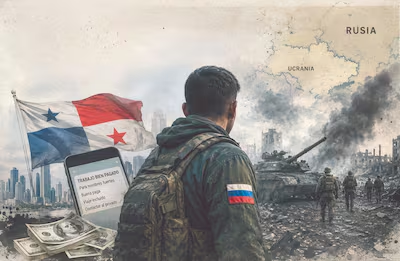
A new report documents Moscow’s deceptive tactics to expand its pool of foreign fighters. Thousands are sent to the front without training. The recruitment networks for foreigners to fight in the Russian ranks have expanded their reach in Latin America, where citizens affected by unemployment, informal work and low incomes are attracted with promises of work, paid trips and salaries that far exceed what they could receive in their countries. The job offers include positions in factories, construction, security, transportation, or support roles. However, upon arriving in Russia, some discover that the contracts are linked to the armed forces and that they may be deployed to the front lines.