From Casco Viejo to Bocas: How Panama’s Small Businesses Are Finding a New Way to Sound Local
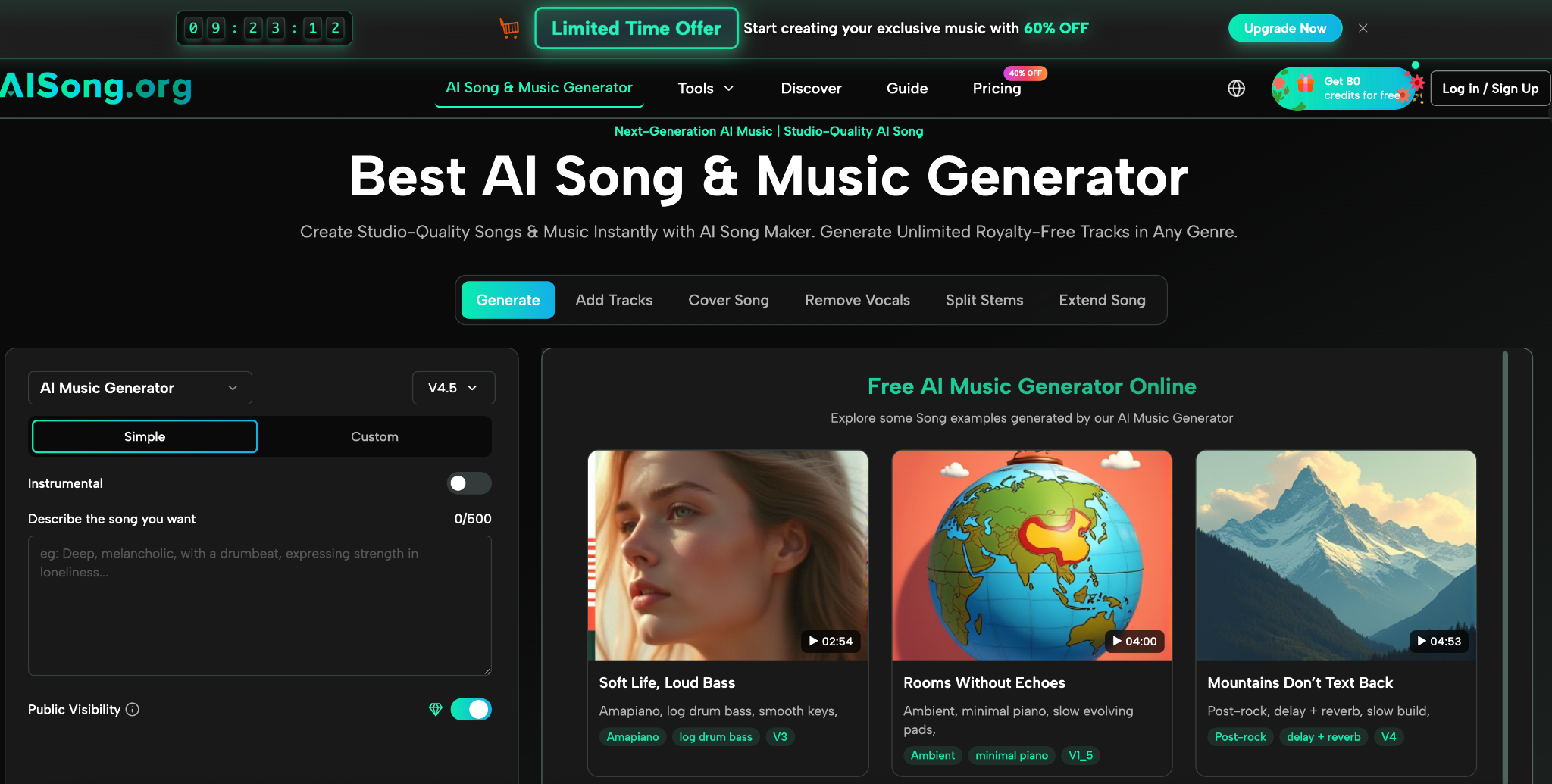
Walk through Casco Viejo on a Saturday night and you’ll hear the country’s identity in its music before you see it: salsa spilling out of a restaurant doorway, a street performer working a crowd near the plaza, a hotel lobby playing something curated to feel distinctly Panamanian rather than generic. Music has always been part of how this country sells itself, to tourists, to investors, and to its own people. What’s changed recently is who gets to make it. A growing number of small businesses, tour operators, and independent creators across Panama are turning to an AI Song Generator to produce original music for ads, social content, and branding, without needing a recording budget or a connection to a studio in Panama City.
The Old Problem: Great Culture, Expensive Production
Panama has no shortage of musical talent or cultural richness to draw from, but producing original, licensed music for a business has traditionally been out of reach for anyone outside the country’s larger cities. A boutique hotel in Bocas del Toro wanting a custom jingle for its Instagram ads, or a tour company in David wanting background music that doesn’t sound like it was pulled from a royalty-free library used by a thousand other small businesses, faced the same obstacles: studio access, musician fees, and licensing costs that rarely made sense for a marketing budget measured in hundreds rather than thousands of dollars. The result was that most small businesses either paid for generic stock tracks that could belong to any country, or skipped custom audio entirely.
What’s Changed for Panama’s Creator and Tourism Economy
Panama’s tourism sector, along with its fast-growing base of independent content creators, has been quick to adopt tools that lower production costs without lowering quality. Short-form video content, which now drives a significant share of tourism marketing across platforms like Instagram and TikTok, depends heavily on audio to set the tone, and generic background tracks are increasingly easy for viewers to spot and scroll past. Original music, even a fifteen-second custom clip, signals effort and authenticity in a way that stock audio rarely does.
A Practical Guide for Panamanian Businesses Getting Started
For business owners who’ve never generated a song before, the process is far less technical than it sounds, and it doesn’t require any background in music production or Spanish-language songwriting expertise. Here’s a step-by-step approach that’s worked well for small businesses across the country.
1. Define the Moment, Not Just the Business
Rather than trying to capture “our hotel” or “our tour company” broadly, the strongest results come from focusing on a specific moment: the sunrise boat departure in Bocas, the first bite of a specific dish at a family-run fonda, the walk through Casco Viejo’s cobblestone streets at golden hour. A specific scene gives the generator something concrete to build a mood around.
2. Decide Whether Spanish, English, or Both Fits the Audience
Businesses targeting domestic customers or regional Latin American tourists often get stronger results writing prompts and lyrics in Spanish, while those targeting a broader international tourist base sometimes opt for English or an instrumental track that avoids the language question entirely. Testing both isn’t expensive, since generation is fast, so many businesses simply try a few versions before settling on one.
3. Match the Genre to the Region, Not Just the Brand
Panama’s regional musical identities vary considerably, from the Caribbean-influenced sounds of Bocas del Toro to the more traditional típico rhythms found in the interior provinces. A tour operator in Bocas leaning into reggae or calypso-adjacent styles will resonate differently than one in Chiriquí drawing on típico instrumentation, and businesses that reflect their actual region tend to build stronger local credibility than ones reaching for a generic “tropical” sound.
4. Keep a Short Version and a Long Version
Social platforms increasingly favor content under fifteen seconds, while a hotel lobby or a phone hold line might want a full two-minute track. Generating both from the same prompt, rather than trying to force one version to serve every purpose, tends to produce better results for each specific use case.
Real Applications Showing Up Across the Country
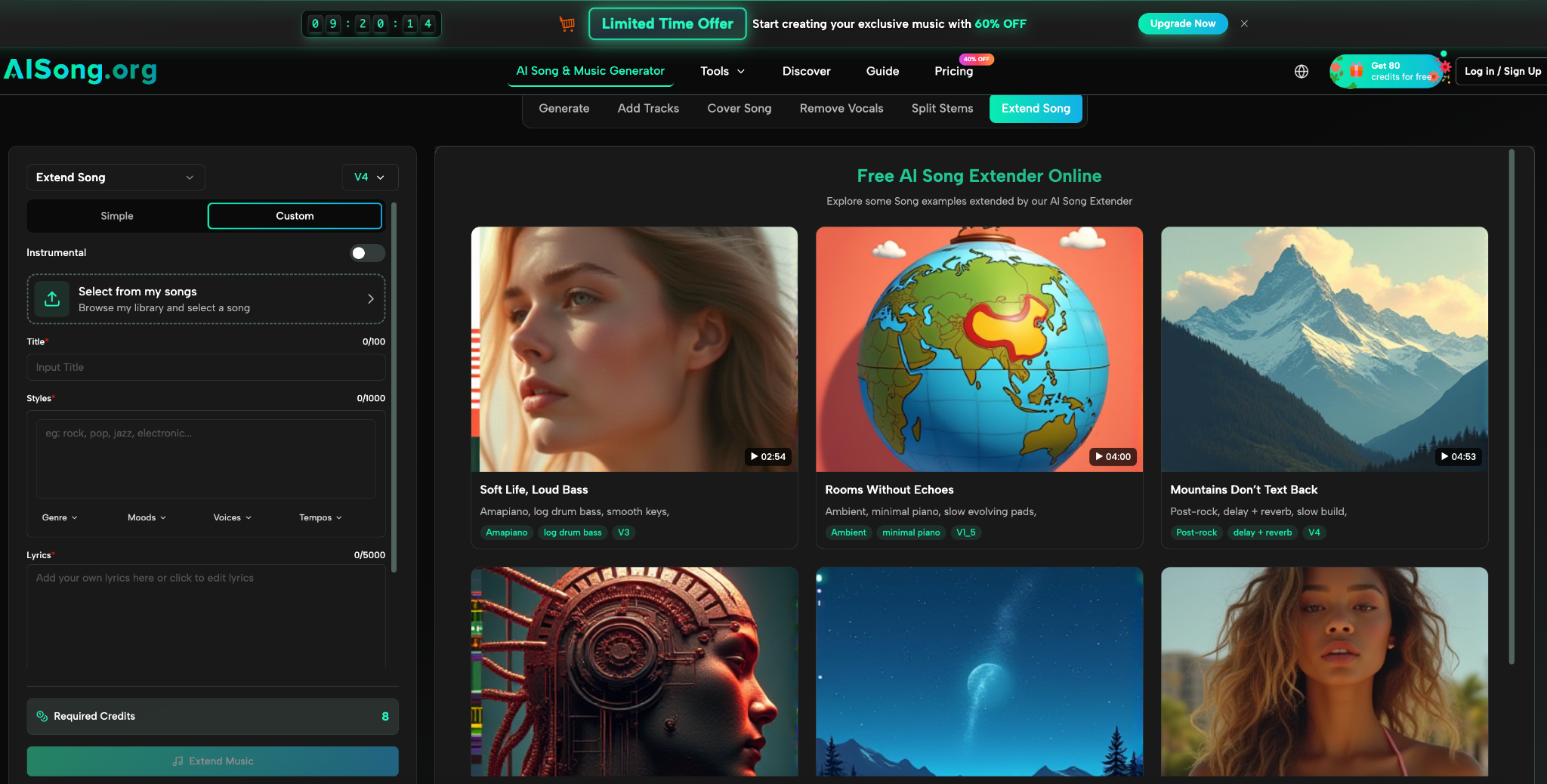
A handful of small tour operators near Bocas del Toro have started using a Song Maker to produce short original tracks for their boat tour promotional videos, replacing generic stock reggae loops with something that sounds specific to their route and their guides. Restaurants in Panama City have used custom-generated jingles for radio-style ads on local streaming platforms, giving a small family business the kind of branded sound that used to be reserved for national chains with agency budgets. Even local news and events pages have experimented with short musical stingers for video segments, adding a layer of polish that previously required outside production help.
What This Means for Panama’s Broader Creative Economy
There’s a bigger story here beyond individual businesses saving money on production. As tools like this lower the barrier to producing original audio, more of Panama’s creative and tourism content stops relying on generic, imported-sounding stock music and starts reflecting the country’s actual regional character, whether that’s a coastal reggae influence, an interior típico rhythm, or something distinctly urban and modern coming out of Panama City. For a country whose tourism appeal is deeply tied to its cultural distinctiveness, that shift matters more than it might first appear. It also opens a door for independent musicians and content creators who may not have formal music production training but understand exactly what a local audience or a specific tourist demographic responds to.
Weighing the Cost of Traditional Local Production
It is worth comparing the costs, because the difference explains why generative music has been adopted so quickly by small businesses.
- The Traditional Route: Studio Time and Musician Fees: A custom 30-second jingle in Panama City can cost several hundred to more than a thousand dollars after musician fees, studio time, mixing, and revisions. For a small hotel or tour company, this may consume several weeks of advertising budget.
- The Stock Music Route: Cheaper but Generic: Stock music lowers costs, but the same tracks are often used by businesses worldwide. This makes it harder for tourism brands to create a distinctive sound and communicate a strong sense of place.
- The Generative Route: Custom Without the Cost or Wait: Generative tools allow businesses to create original tracks based on specific regions, languages, and audiences at a lower cost. They also reduce waiting time and avoid the need to negotiate separate licensing fees.
Live musicians remain valuable for events and major productions, but generative music offers a more practical option for frequent short-form marketing content.
Conclusion
Panama’s small businesses have never lacked culture, character, or a story worth telling. What they’ve often lacked is an affordable way to put that story to music without routing through a studio, a producer, and a budget that didn’t fit. Tools that generate original songs from a simple prompt are closing that gap quickly, letting a boat tour operator in Bocas, a family restaurant in Panama City, or an independent creator in the interior produce audio that actually sounds like where it’s from, rather than settling for a stock track that could belong to anywhere. As more of the country’s tourism and small business marketing shifts toward short-form video and social content, that difference between generic and genuinely local is likely to matter more, not less, in the years ahead.