Is the Cure for Cancer Growing in Panama?
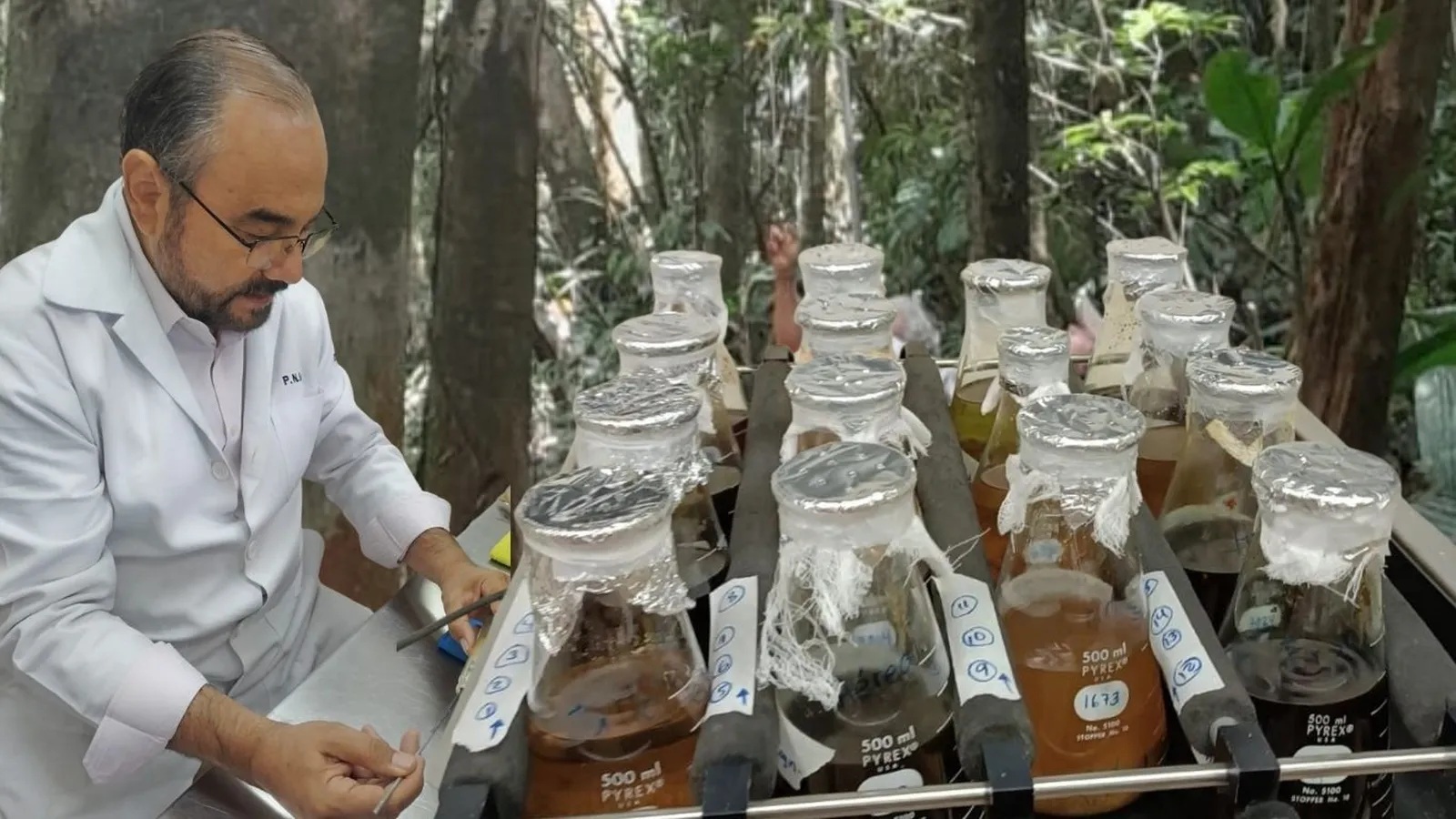
Pictured below is Pablo Solís, director of Ciflorpan at the University of Panama.
Panama’s biodiversity could hold molecules with the potential to become cancer treatments in the future.
Cancer is one of the biggest public health challenges in Panama, being the second leading cause of death in the country and the main cause of premature mortality. Each day, between 12 and 15 people are diagnosed with some type of cancer, while between five and seven patients die daily from this disease, according to figures shared by Alex González, advisor to the Ministry of Health (Minsa).
In recent years, specifically between 2023 and 2025, the country has registered between 11,000 and 12,000 new cases annually, a trend that continues to rise and has increased the demand for specialized care. Faced with this scenario, a group of Panamanian scientists found in the country’s biodiversity a discovery that could open new lines of research.
A study by the Center for Pharmacognostic Research of Panamanian Flora (Ciflorpan), of the Faculty of Pharmacy of the University of Panama, identified seven native plants whose extracts managed to inhibit the growth of breast, lung and central nervous system cancer cells, a first step in the search for future drugs.
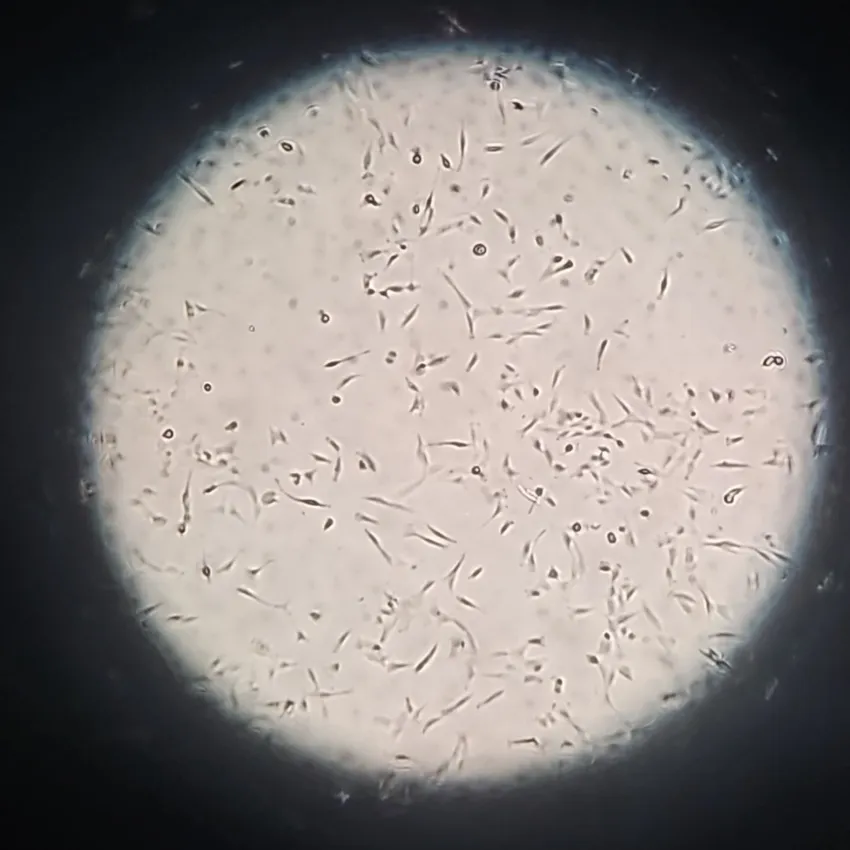
Analysis of Cancer Cells from the Central Nervous System (Brain)
In an interview, the center’s director, Pablo Solís, explained that the project, funded by the National Secretariat of Science, Technology and Innovation (Senacyt), focused on studying species that had never been analyzed previously from a chemical or pharmacological point of view. The research began with a review of Panama’s flora, which exceeds 10,000 species. After a literature review, the researchers selected 91 genera, equivalent to about 150 species, and carried out 20 expeditions in forests and protected areas such as the Camino de Cruces, Chagres, Altos de Campana, Cerro Azul, Cerro Jefe, and Sarigua national parks to collect the samples. Once identified by botanists, the plants were dried, pulverized, and subjected to an extraction process to obtain their natural compounds. These extracts were then tested in the laboratory against bacteria, fungi, and three human cancer cell lines: breast, lung, and central nervous system.
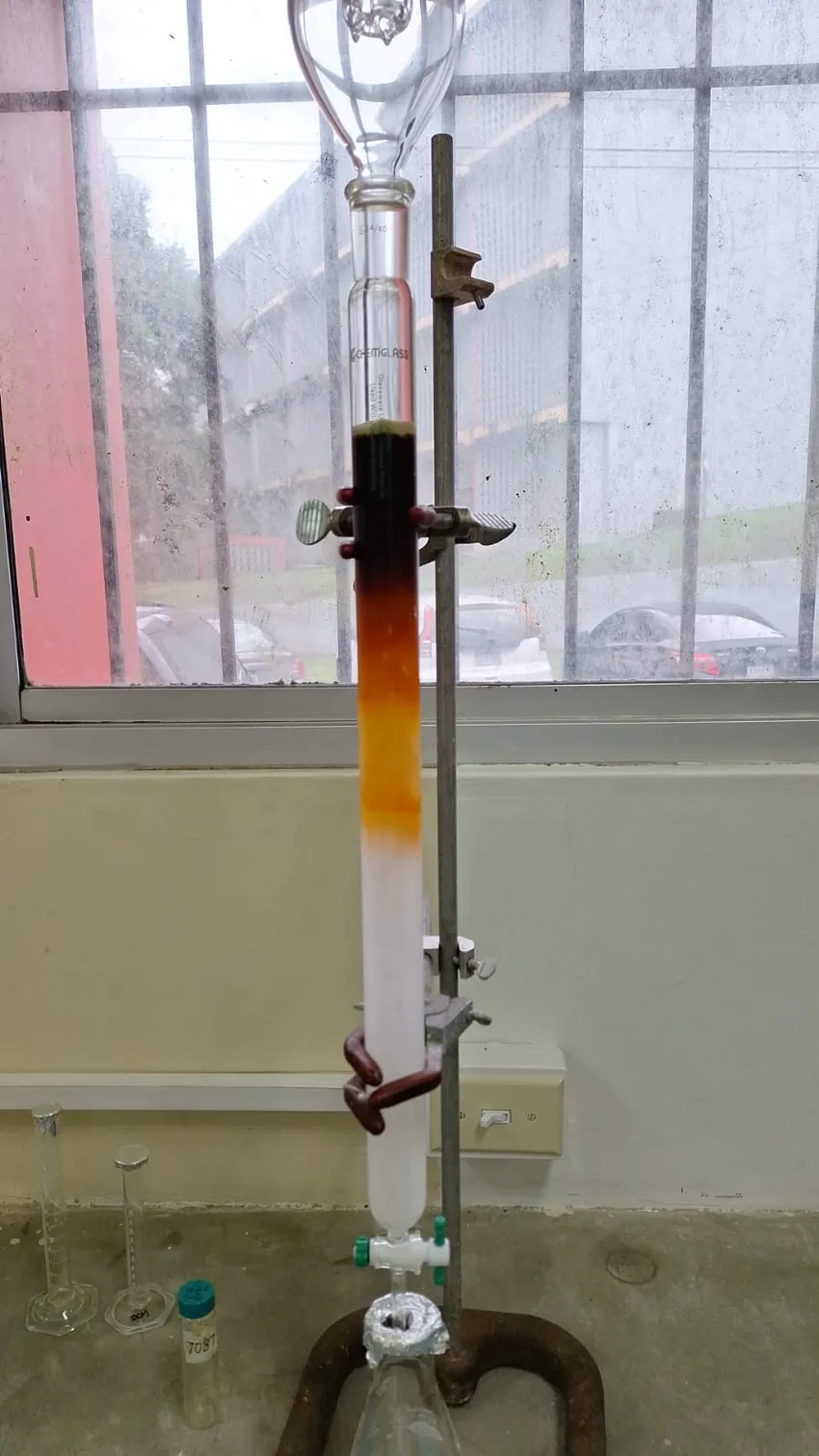
Purification of Active Cmpounds by Column Chromatography
The result was encouraging: seven plants showed cytotoxic activity, meaning they were able to inhibit the growth of cancer cells. Among the species with the greatest potential are Tilicia, Mespilodaphne, and Odontadenia, although most can only be identified by their scientific name because they lack a common name. However, the pharmacognosy specialist stressed that the finding does not mean that these plants cure cancer or that they can be used as a treatment at present.
“We are at the first stage of discovering new drugs. What we have are plants that show potential for developing medicines from molecules that we can isolate, modify, and whose chemical structure we can write,” he explained.
The researcher explained that the next challenge is to identify the substances responsible for this biological activity. To do this, the extracts must undergo complex separation and analysis processes using high-tech equipment, such as mass spectrometry and nuclear magnetic resonance, some of which require the collaboration of researchers working in Germany and Switzerland due to their high cost.
The Project has Completed its Initial Phase, but Research Continues
The team is now working to isolate, characterize, and evaluate the active molecules before moving on to further preclinical stages. Only after passing multiple safety and efficacy studies, could human trials be considered, a process that can take between 20 and 30 years.
“We laid the groundwork for all the other analyses that need to be carried out along this path,” he explained.
Solís noted that the effort is worthwhile because more than 60% of the anticancer drugs currently used come from natural compounds, many of them extracted or derived from plants. Research suggests that the next cure for cancer could be growing in Panamanian soil and is not yet known, which is why forest conservation is considered essential.
“It’s a possibility because there are several anticancer compounds used clinically today that are found in plants, and therefore we think we can find some anticancer agents, and that’s what drives us every day: the study of biodiversity. That’s the work we’ve undertaken: to find that substance,” he emphasized.
A Problem that Continues to Grow
The figures from the Ministry of Health reflect the magnitude of the challenge. González explained that the most common cancers in the country continue to be breast, prostate, and cervical cancer, although in recent years the detection of colon, rectal, and stomach tumors has also increased. Breast cancer alone accounts for an average of 1,600 new cases per year, while prostate cancer exceeds 1,100 cases annually and cervical cancer accounts for around 1,000 diagnoses. Approximately 780 cases of colon cancer, 700 of stomach cancer, and around 300 of rectal cancer are also reported each year. A report from the Ministry of Health published in 2024 also revealed that in the period 2015-2020, 1912 cases of bronchial and lung cancer were diagnosed, with an average of 318 cases per year. González pointed out that this increase is also reflected in medical care.
In a decade, the number of new patients admitted to the National Cancer Institute rose from 3,292 in 2014 to 5,290 in 2024, while consultations practically doubled and chemotherapy treatments administered increased from 19,700 to 39,659 during the same period. While cancer continues to claim and devastate lives every day in Panama and around the world, science continues to explore new alternatives. In this effort, Panama’s flora could become an unexpected ally. Each species still awaiting analysis could harbor compounds capable of leading to new therapies, which also reinforces the importance of conserving the country’s ecosystems as a source of knowledge and potential solutions for diseases that continue to represent one of the greatest challenges to global health.