Deck Belt vs Drive Belt: What’s the Difference?
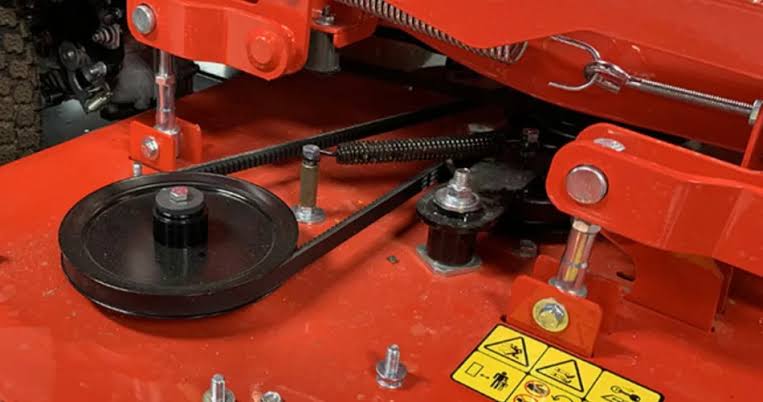
There are moments when a simple weekend task turns into a small mystery in the yard, especially when a mower suddenly behaves differently than expected. You hear the engine running, you see the grass still standing tall, and you start wondering what went wrong inside the machine. We often overlook how much we rely on small mechanical parts until something stops working properly. A lawn mower belt is one of those hidden components that quietly keeps everything moving. In many cases, confusion comes from not knowing there are two different belts doing two very different jobs. Understanding these differences can save time, frustration, and unnecessary repairs. When we look closely at how a mower works, everything becomes more logical and easier to manage. In this article, we will explore both belts in detail and help you clearly understand how they function in everyday use.
What Is a Deck Belt and What Does It Do?
A deck belt plays a central role in how a lawn mower cuts grass, even though it is rarely visible during normal use. When you stand behind a mower and see clean rows of cut grass, you are actually seeing the result of a carefully coordinated mechanical system working beneath the deck. The deck belt is responsible for transferring power from the engine to the cutting blades. Without it, the blades would not rotate, no matter how powerful the engine is. We often think of cutting performance as something related only to sharp blades, but the belt is just as important. It operates under constant tension and motion every time the mower is running. Because of this, it gradually wears down over time and requires inspection. When it works correctly, the cutting process feels smooth and effortless.
You can easily find the right replacement belt by checking your mower model or browsing compatible parts here: https://udcparts.com/collections/mower-belt. This is helpful because even small differences in belt length or profile can affect performance.
How the Deck Belt Powers the Cutting System
The deck belt connects the engine power to the mower blades through a system of pulleys. As the engine rotates, the belt moves along these pulleys and transfers energy directly to the cutting deck. This allows the blades to spin at high speed and cut grass evenly across the lawn. You can imagine it like a chain reaction where one moving part activates another in perfect timing. When everything is properly aligned, the mower produces a clean and even cut with minimal effort. However, if the belt starts slipping or loses tension, the entire cutting performance becomes weaker. In many cases, uneven grass height or missed patches are early signs of belt problems.
We often notice these changes gradually rather than all at once, which is why regular checks are important. A simple inspection can prevent bigger issues later. When we understand how the deck belt works, it becomes easier to recognize when something is not right. This knowledge helps us respond quickly before damage spreads to other parts of the mower.
What Is a Drive Belt and Why Is It Important?
While the deck belt focuses on cutting grass, the drive belt is responsible for movement and mobility. When you press the pedal or move the lever on a riding mower, you are indirectly activating the drive belt system. This belt connects the engine to the transmission, allowing the wheels to turn and the mower to move forward or backward. Without it, the mower would remain completely stationary even if the engine is running perfectly. Many users first notice drive belt issues when the mower starts moving slower or struggles on slopes. It is a crucial part of the machine because it controls how effectively power is delivered to the wheels. Over time, constant stress and friction cause natural wear, making maintenance necessary.
How the Drive Belt Helps the Mower Move
The drive belt works by transferring engine power through the transmission system to the wheels. As energy flows through the belt, it enables smooth acceleration and controlled movement. We can think of it as a bridge between engine power and actual motion on the ground. When the belt is in good condition, the mower responds quickly and moves without hesitation. However, when it begins to wear out, the connection between engine and wheels becomes less efficient. This often results in slipping, slow movement, or complete loss of drive. These symptoms usually develop gradually, giving us time to notice and act before failure occurs.
It is important to understand that the drive belt is constantly under load whenever the mower is moving. Unlike the deck belt, which works mainly during cutting, the drive belt is active throughout the entire operation. This makes it more sensitive to tension changes and wear. Regular inspection helps ensure that the mower continues to perform reliably in different terrain conditions.
Deck Belt vs Drive Belt: Key Differences
At first glance, both belts may look similar because they are made of durable rubber-like material and operate through pulleys. However, their roles inside the mower are completely different and should never be confused. The deck belt is dedicated to cutting performance, while the drive belt is responsible for movement. Understanding this difference helps avoid incorrect repairs and unnecessary replacements. We often see users replacing the wrong belt simply because they assume all belts serve the same purpose. When we break down their functions, locations, and wear patterns, the differences become much clearer. This section helps you compare both systems side by side so you can easily identify issues in the future.
| Feature | Deck Belt | Drive Belt |
| Main Function | Controls blade rotation | Controls wheel movement |
| System Type | Cutting system | Drive/transmission system |
| Wear Type | Blade load and debris | Constant movement stress |
| Failure Result | Poor cutting quality | Mower stops moving |
Common Signs of Belt Wear and Failure
Belt wear is something that develops slowly, often without immediate warning. We might notice small changes in mower performance before realizing a belt is the cause. Recognizing these signs early can prevent complete breakdowns and expensive repairs. Both deck and drive belts show similar warning signals, but their effects on the mower are different. Sometimes the mower makes unusual noises, and other times performance simply feels weaker than usual. These changes should never be ignored because they often indicate early-stage damage.
The following list highlights the most common warning signs that suggest belt problems:
- Squealing noises during operation
- Visible cracks or fraying on the belt
- Reduced cutting performance
- Mower moving slower than normal
- Burning rubber smell
Replacement and Maintenance Tips
Replacing a belt may sound complicated, but in most cases it follows a simple and logical process. We should always start by identifying the correct belt type before attempting replacement. Proper maintenance not only extends belt life but also improves overall mower performance. Regular cleaning and inspection help reduce stress on both deck and drive systems. When we take care of small components early, we avoid bigger mechanical problems later. Good maintenance habits make mowing easier and more reliable over time.
Follow these basic steps when replacing a mower belt:
- Turn off the engine and disconnect power
- Remove protective covers carefully
- Release belt tension system
- Remove the old belt and install the new one
- Test mower operation before full use
Simple Habits That Extend Belt Life
Small habits can significantly increase belt lifespan and improve mower reliability. Keeping the pulleys clean prevents debris from creating unnecessary friction. Checking belt tension regularly ensures smooth operation under load. We should also inspect belts for cracks or wear at least once per mowing season. Avoiding heavy buildup of grass around the deck reduces strain on the system. These simple steps help maintain performance and reduce repair costs over time.
Understanding the difference between a deck belt and a drive belt helps us take better care of our lawn mower and avoid unnecessary repairs. Each belt plays a specific role, one focused on cutting performance and the other on movement. When both systems work properly, mowing feels smooth and effortless, almost like the machine is doing the work on its own. By paying attention to early signs of wear and following simple maintenance routines, we can extend the life of both belts. In the end, a well-maintained mower saves time, effort, and money while keeping your lawn looking its best.