Almost 4 Out Of Every 10 Children are Overweight or Obese in Panama
Daily physical activity is important for a healthy life. The WHO has guidelines indicating how much and what type of activity children should do from one year of age.
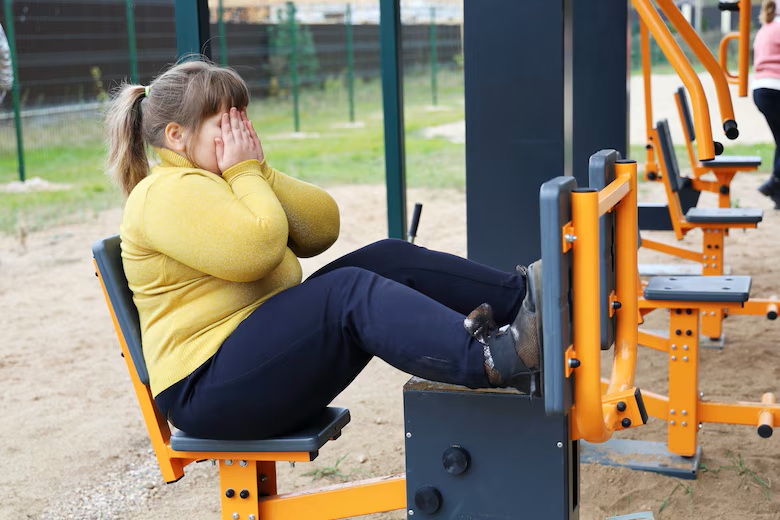
In its Child Nutrition Report 2025 , the United Nations Children’s Population Fund (UNICEF) concluded that 2025 was the first year in which the global prevalence of obesity among school-aged children and adolescents surpassed that of underweight (9.4% versus 9.2%), reflecting a major shift in global malnutrition trends. Furthermore, the World Obesity Atlas 2026 estimated that approximately 177 million children and adolescents aged 5 to 19 were living with obesity in 2025 worldwide, a figure that will increase to 228 million by 2040.
This equates to an increase from 8.7% to 11.9% of the global child and adolescent population. This statistic, worrying in itself, predicts that millions of people will live with chronic diseases that, at best, will affect their quality of life and their productive capacity, and that public health systems will be increasingly forced to increase their budgets to care for the sick or they will be overwhelmed.
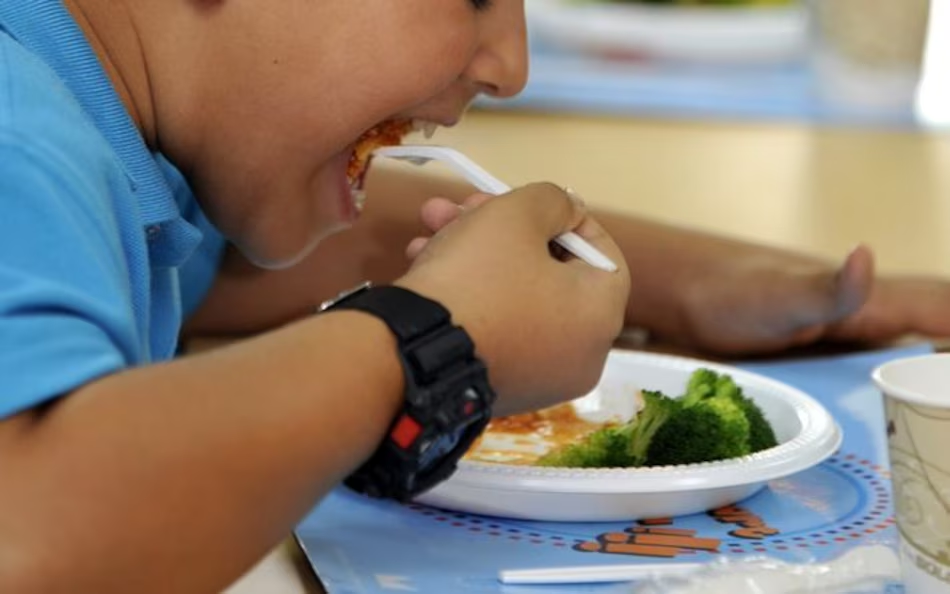
Excessive consumption of sugary drinks and ultra-processed foods, combined with a lack of daily physical exercise and biological factors, is causing illnesses in children and adolescents that decades ago were mostly diagnosed in adults.
Obesity increases cardiovascular risk, therefore raising the likelihood of developing diseases such as diabetes, hypertension, stroke, kidney disease, and even several types of cancer, according to the Pan American Health Organization (PAHO). This is without even considering its implications for mental health. According to the same UNICEF report, in the Latin America and Caribbean region more than four million children under five years of age are overweight, while nearly 50 million children and adolescents between the ages of 5 and 19 live with overweight, including its most serious form, obesity.
The situation in Panama follows the same trend and urgently calls for action starting at home. According to the 2026 World Obesity Atlas—which uses 2025 figures— 157,000 children between the ages of five and nine are overweight or obese, while 296,000 children between the ages of 10 and 19 face the same condition. This represents approximately 38% of the child population estimated by the National Institute of Statistics and Censuses (INEC) for that year. These figures are consistent with information published by the Children’s Hospital in March 2025, according to which 28% of minors are overweight and 10% already live with obesity.
More Than Food
Although specialists say that the cause of obesity is multifactorial, that is, it involves a combination of biological, behavioral and environmental factors, the World Atlas of Obesity points to a major trigger that is located in the prenatal phase. Overweight during pregnancy, gestational diabetes, and maternal smoking are considered critical triggers of the risk of developing childhood obesity, even before birth.

Obesity during pregnancy is a predisposing factor for children, so a balanced diet and daily exercise are important.
Another key factor mentioned is childhood nutrition, specifically the high consumption of sugary drinks and ultra-processed foods, which is intertwined with the lack of balanced school programs or meals, essential for shaping healthy food preferences. The report mentions that physical inactivity contributes to the fact that the figure, not only in Panama but worldwide, continues to be worrying, since the vast majority of children and adolescents do not meet the minimum recommendation of physical activity that the World Health Organization establishes as: an average of at least 60 minutes of moderate to vigorous activity daily, mainly aerobic.
For its part, Panama’s profile in the Global Obesity Observatory mentions that mental health is a factor that can trigger obesity. Added to this is the cost of food, as it points out that for a large part of the population a healthy diet is unaffordable, forcing them to consume cheaper, but less nutritious, foods, which, according to the UNICEF report, are prevalent among low-income populations and in schools.
The consequences of obesity at an early age are alarming, as in the short term, obese children may experience difficulty moving, breathing problems, and even a higher risk of developing type 2 diabetes. As endocrinologist Gustavo Marciaga mentioned , obesity is not the patient’s “fault” and does not depend solely on “eating too much ,” a statement that takes on even greater significance in the case of childhood obesity. Nevertheless, it is important that children and adolescents receive timely care, especially because in many cultural contexts the belief persists that heavier people are “healthier,” while thinness is often associated with illness.
A Challenge for Panama
Children with obesity generally become adults with obesity and comorbidities, because the condition is more difficult to reverse when going from overweight to obesity. The figures from the 2026 World Obesity Atlas confirm this. The report estimates that in Panama, some 100,000 children already show signs of metabolic dysfunction associated with fatty liver disease, and that approximately 49,000 minors have elevated triglyceride levels , an indicator of early cardiovascular risk. It is also estimated that some 35,000 children have blood pressure above normal for their age, and that around 15,000 minors have glucose levels that place them on the verge of diabetes.
Race Against Time
Childhood overweight and obesity is an issue that specialists urge be addressed at home and at school, because the numbers continue to rise. If the current trend continues, the World Obesity Atlas projects that by 2040 more than 500,000 children and adolescents in Panama will be overweight or obese.