The ‘Two Cents’ Fom a Scientist From Coiba-AIP: “Coiba Cannot Become a Prison Again”
Researcher Eloisa Lasso, the first female scientist on staff at the Coiba AIP Scientific Station, expressed her concern about the transfer of 29 prisoners to the island and warned about the risks to biodiversity, science, and sustainable tourism.
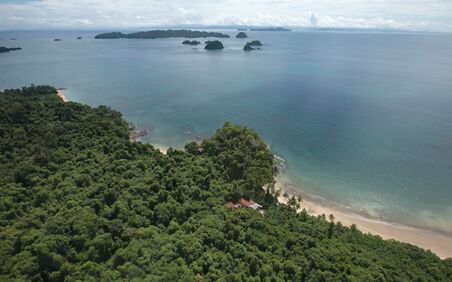
For researcher Eloisa Lasso pictured below, Coiba is much more than an island surrounded by crystal-clear waters and coral reefs. It is a living laboratory, a refuge of unique biodiversity, and a place to which she has dedicated years of scientific work and conservation efforts. The first female scientist on staff at the Coiba-AIP Scientific Station used her social networks to convey a message full of concern and defense towards one of the most important natural heritages in the country.
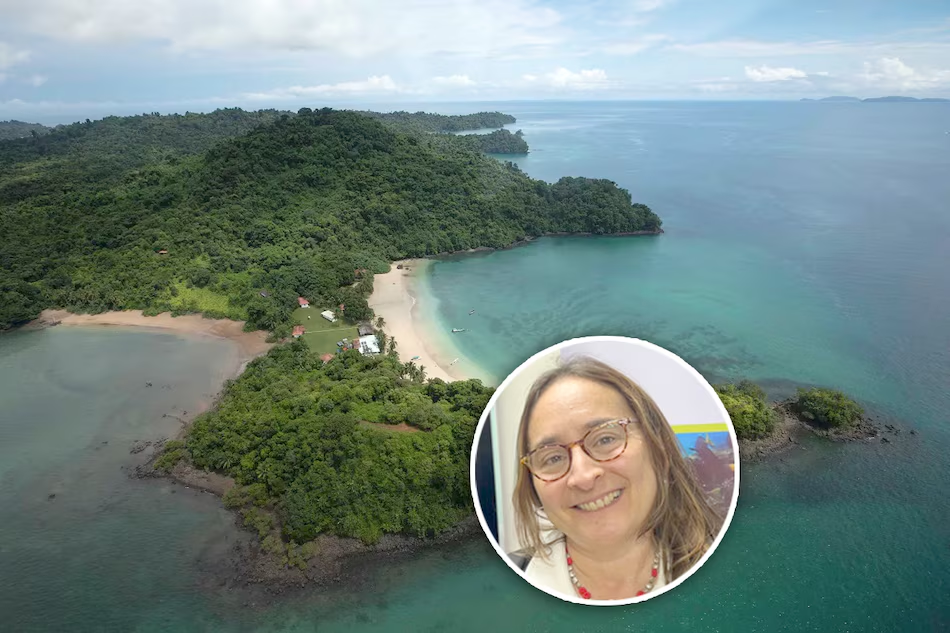
Coiba can and has partially reverted to its former role as a prison, sparking intense debate. Although the notorious penal colony was shut down in 2004 and the island was subsequently designated a UNESCO World Heritage site, the Panamanian government has recently transferred high-security inmates and suspected traffickers to specialized facilities on the island. The current situation includes the following developments:
- Naval Facilities: The government currently houses detainees in secured holding areas at the Teniente Nelson Tenas aeronaval base located on the island.
- Conservation Concerns: The UNESCO World Heritage Committee and various environmental groups heavily oppose the use of the island for penal purposes. They argue it threatens the fragile ecosystem of the Coiba National Park which is celebrated for its thriving coral reefs and rare, endemic wildlife.
- National Security: Officials maintain that the presence of high-security holding cells is necessary for maritime border control and intercepting transnational drug traffickers who use the surrounding waters.
An Old Idea for a New Crisis: The Return of Coiba
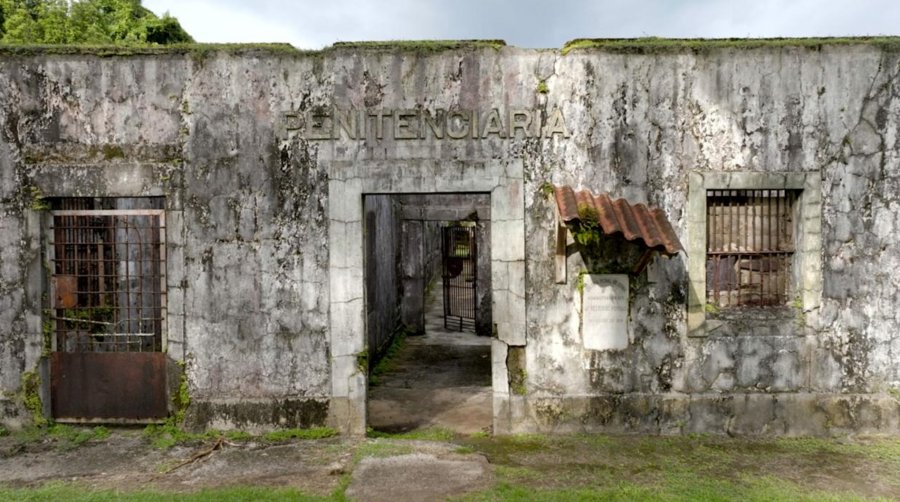
In December 2011, José Raúl Mulino, then Minister of Public Security, inaugurated the Teniente Nelson Tenas air and naval station on Coiba Island, named in memory of the lieutenant of the National Air and Naval Service (Senan) who died during an air patrol in the area. Nearly 15 years later, with Mulino as President of the Republic, that same Senan base received 29 inmates considered highly dangerous. This occurred on Saturday, June 13th.
The measure comes after the escape of 195 inmates from La Joyita prison, an event that left several questions unanswered.