Common Mistakes to Avoid When Filing Immigration Forms
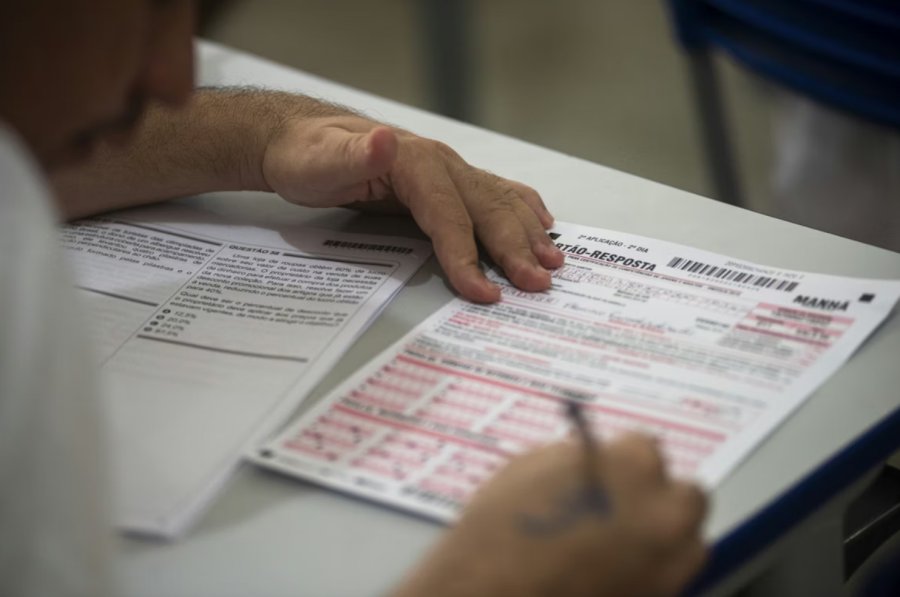
According to the U.S. Citizenship and Immigration Services 2023 annual report, over 30% of immigration applications require additional evidence requests or corrections before approval — delays that can extend processing times by months or even years. As immigration policies continue to evolve and USCIS implements new digital filing requirements, the margin for error in form preparation has narrowed significantly. These mistakes don’t just cause inconvenience; they can derail life-changing opportunities, separate families longer than necessary, and create cascading legal complications that take years to resolve.
For the millions of immigrants navigating this complex system, understanding common pitfalls isn’t just helpful advice — it’s essential protection against setbacks that could fundamentally alter their future in the United States. The difference between a smooth application process and a bureaucratic nightmare often comes down to details that seem minor but carry outsized consequences in the federal immigration system.
Why Accurate Immigration Form Filing Matters
Immigration forms function as legal documents that establish an individual’s relationship with the U.S. government, and even seemingly small errors can trigger serious consequences. When USCIS receives an application with inconsistent information — perhaps a birth date that differs by a single digit between forms, or an address that doesn’t match supporting documentation — adjudicators must assume the discrepancy could indicate fraud or identity issues.
These assumptions lead to Requests for Evidence (RFEs), which halt processing while applicants scramble to provide clarifications. More seriously, substantial errors can result in application denials, potentially triggering removal proceedings for individuals already in the United States. Consider someone applying for asylum whose timeline of events contains contradictions across different forms — what might seem like innocent confusion about dates could be interpreted as credibility issues that undermine their entire case.
The stakes extend beyond individual applications. Errors in family-based petitions can affect multiple people simultaneously, separating spouses or parents from children for additional months or years while corrections are made. Employment-based applications with mistakes can jeopardize both the applicant’s status and their employer’s compliance with federal hiring regulations. In some cases, denied applications due to filing errors can make future applications more complex, as subsequent forms require disclosure of previous denials and explanations of what went wrong.
The financial impact compounds these delays. Application fees for most immigration forms range from hundreds to thousands of dollars, and fees are typically non-refundable even when applications are denied due to errors. Families often exhaust savings for these applications, making the additional costs of refiling — plus potential legal assistance to correct mistakes — financially devastating.
Common Mistakes Made in Immigration Form Filing
The most frequent error involves incomplete or inconsistent information across multiple forms. Immigration cases typically require several different forms submitted simultaneously, and applicants often fail to ensure that personal details match exactly across all documents. A name spelled differently on one form versus another, or employment dates that don’t align between the I-485 and supporting tax documents, can trigger extensive delays.
Missing signatures represent another critical mistake that’s surprisingly common. Many immigration forms require signatures in multiple locations — initial signatures, dated signatures, and sometimes signatures from petitioners as well as applicants. Digital filing has reduced some signature errors, but paper filers frequently overlook required signature lines, particularly on multi-page forms where signature requirements appear in less obvious locations.
Applicants also struggle with understanding which version of forms to use. USCIS updates forms regularly, and using an outdated version can result in automatic rejection. The agency typically accepts previous editions for only a few months after releasing updates, but applicants working from downloaded forms or advice from unofficial sources often submit obsolete versions without realizing the error.
Documentation mistakes create substantial problems as well. Many applicants submit supporting documents that don’t match the specific requirements outlined in form instructions. For example, submitting a photocopy of a passport when regulations require an original, or providing translations that lack required certifications from qualified translators. Birth certificates present particular challenges, as different countries have varying standards for official documentation, and applicants often submit certificates that don’t meet USCIS authenticity requirements.
Perhaps the most problematic category involves misunderstanding visa classifications and eligibility requirements. Applicants frequently select incorrect visa categories on their forms, not understanding the subtle legal distinctions between similar classifications. Someone eligible for multiple visa types might choose a more restrictive category unnecessarily, or worse, apply for benefits they’re not entitled to receive, which can create complications for future applications.
How to Prepare and Organize Immigration Forms Effectively
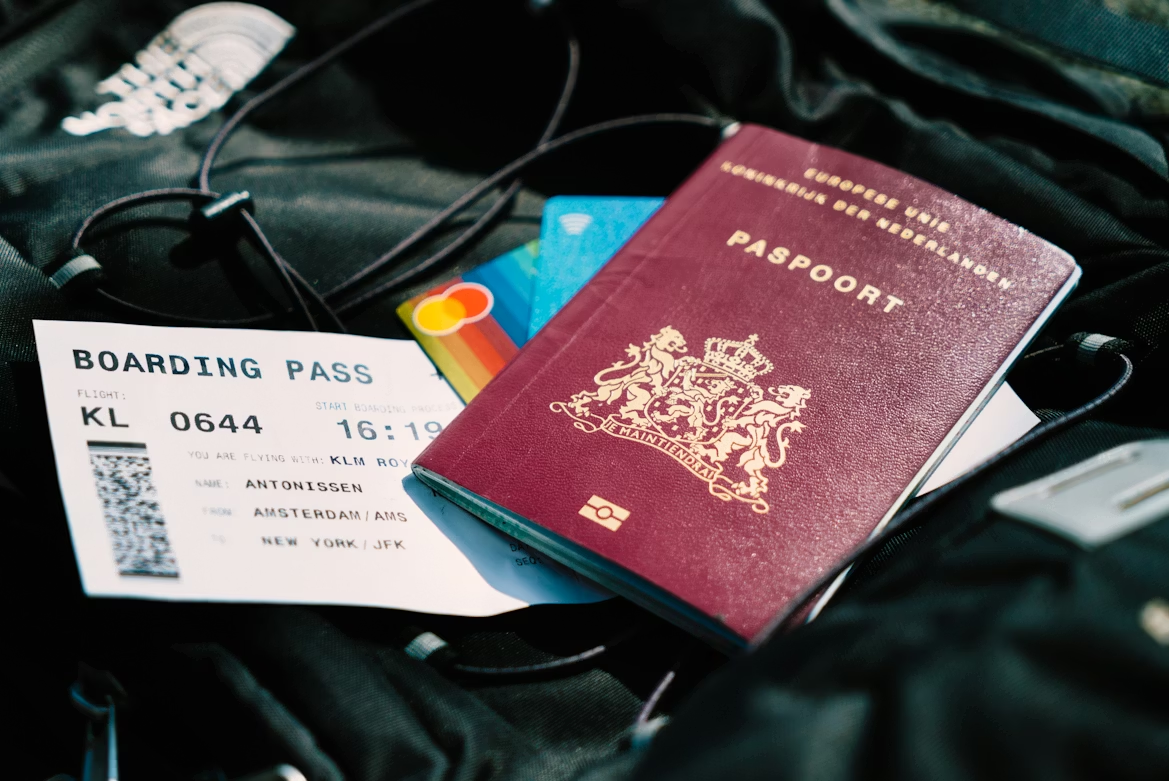
Successful form preparation begins with creating a comprehensive timeline of your immigration history and life events before touching any paperwork. Document every entry into the United States, including exact dates, ports of entry, and the immigration status held during each visit. This timeline becomes your reference point for ensuring consistency across all forms that ask for travel history, residence information, or immigration status changes.
Establish a dedicated filing system that separates original documents from copies, and organize supporting evidence by the specific form sections they support. Many families make the mistake of gathering documents randomly as they think of them, creating confusion about what they have and what’s still needed. Instead, work systematically through each form’s evidence requirements, collecting documents in the order they’ll be referenced during the application process.
The preparation phase should include reviewing every piece of supporting documentation for potential issues before completing any forms. Marriage certificates, diplomas, employment authorization documents, and other crucial papers need verification for accuracy, proper translation if necessary, and compliance with USCIS authentication requirements. This review often reveals problems that take weeks to resolve — such as obtaining apostilled documents from foreign governments — so starting early prevents these issues from derailing filing deadlines.
Key Documentation Checklist for Accurate Filing
Essential documents vary by case type, but most applications require identity documents (passport, birth certificate), civil documents (marriage, divorce, or death certificates if applicable), and financial evidence (tax returns, employment letters, or affidavits of support). Verify that all identity documents show consistent name spellings and that dates match across different certificates.
Language and Translation Challenges to Watch For
Documents in foreign languages must include certified English translations with specific attestations from qualified translators. Many applicants underestimate translation requirements, submitting informal translations or documents translated by family members, which USCIS will reject. Professional translators familiar with immigration requirements ensure translations meet federal standards and include required certification statements.
What to Do If Your Immigration Form Has Errors or Is Denied
When USCIS issues a Request for Evidence due to form errors, responding effectively requires understanding exactly what information the agency needs and why the original submission was insufficient. RFE notices specify deficiencies, but applicants often misinterpret these requests and submit irrelevant additional documentation rather than directly addressing the identified problems.
The response strategy should focus on providing precisely what’s requested while maintaining consistency with the original application. Adding new information that wasn’t in the initial filing can create additional questions, so limit responses to correcting the specific errors or omissions identified in the RFE. Include a cover letter that explicitly addresses each point raised in the notice and explains how the submitted evidence resolves the concerns.
For applications denied due to filing errors, the path forward depends on the type of mistake and the immigration benefit sought. Some cases allow for motions to reopen or reconsider if the denial resulted from USCIS error or if new evidence can demonstrate that the original decision was incorrect. However, many denials due to fundamental filing mistakes — such as submitting the wrong form type or failing to meet eligibility requirements — require starting over with a new application.
Timing becomes critical when dealing with errors that affect immigration status. Individuals whose applications are denied while in the United States may face removal proceedings if their authorized stay expires. Seeking experienced legal assistance for immigration matters becomes essential when errors threaten someone’s ability to remain in the country legally, as immigration attorneys can often identify options that aren’t apparent to applicants navigating the system independently.
Understanding appeal rights and deadlines is crucial, as different types of immigration decisions have varying procedures for challenging unfavorable outcomes. Administrative appeals, federal court challenges, and motions practice each have specific requirements and timeframes that, if missed, can permanently foreclose options for correcting mistakes or obtaining relief.
How to Prevent Immigration Fraud and Scams During Form Filing
Immigration fraud targeting form preparation has become increasingly sophisticated, with scammers exploiting applicants’ desperation and lack of familiarity with official procedures. Notario fraud remains particularly prevalent in Latino communities, where individuals falsely present themselves as qualified to provide legal advice based on their role as notaries public in other countries, despite lacking any legal training or authorization to practice immigration law in the United States.
Legitimate immigration assistance comes only from licensed attorneys or Board of Immigration Appeals-accredited representatives working with recognized organizations. These individuals must provide written agreements outlining their services and fees, and they’re prohibited from guaranteeing specific outcomes or claiming special relationships with government agencies. Anyone promising expedited processing, guaranteed approvals, or insider access to immigration officials is operating a scam.
Red flags include demands for immediate payment, pressure to sign blank forms, or requests to lie on applications or supporting documents. Legitimate practitioners encourage honesty and accuracy, understanding that false information creates far more problems than it solves. They also provide copies of all completed forms and supporting documents to their clients, rather than maintaining exclusive control over case materials.
Protecting personal information during the application process requires vigilance about who has access to sensitive documents and data. Immigration applications contain comprehensive personal histories, financial information, and family details that identity thieves value highly. Work only with established legal practitioners who maintain secure document handling procedures and never submit personal information through unofficial websites or unsecured communication channels.
The most effective protection involves education about the legitimate immigration process and awareness of common scam tactics. USCIS provides extensive resources about authorized representatives and warning signs of fraud, while state bar associations maintain directories of licensed immigration attorneys. Taking time to verify credentials and research practitioners before engaging their services prevents costly mistakes and potential legal complications that can arise from fraudulent assistance.
When errors threaten to derail immigration goals, remember that most mistakes are correctable with proper guidance and timely action. The immigration system, while complex, provides multiple mechanisms for addressing problems when they’re identified early and handled appropriately. Focus on accuracy from the beginning, seek qualified help when needed, and maintain organized records throughout the process — these practices will serve you well regardless of which immigration benefits you’re pursuing.