Exports Under Pressure from Geopolitical Tensions and Rising Oil Prices
The issue of exports in Panama continues to be a persistent challenge, according to Arturo Siu pictured below, president of the Panama Exporters Association (Apex), who warned that the sector faces structural limitations despite the efforts of companies and governments.

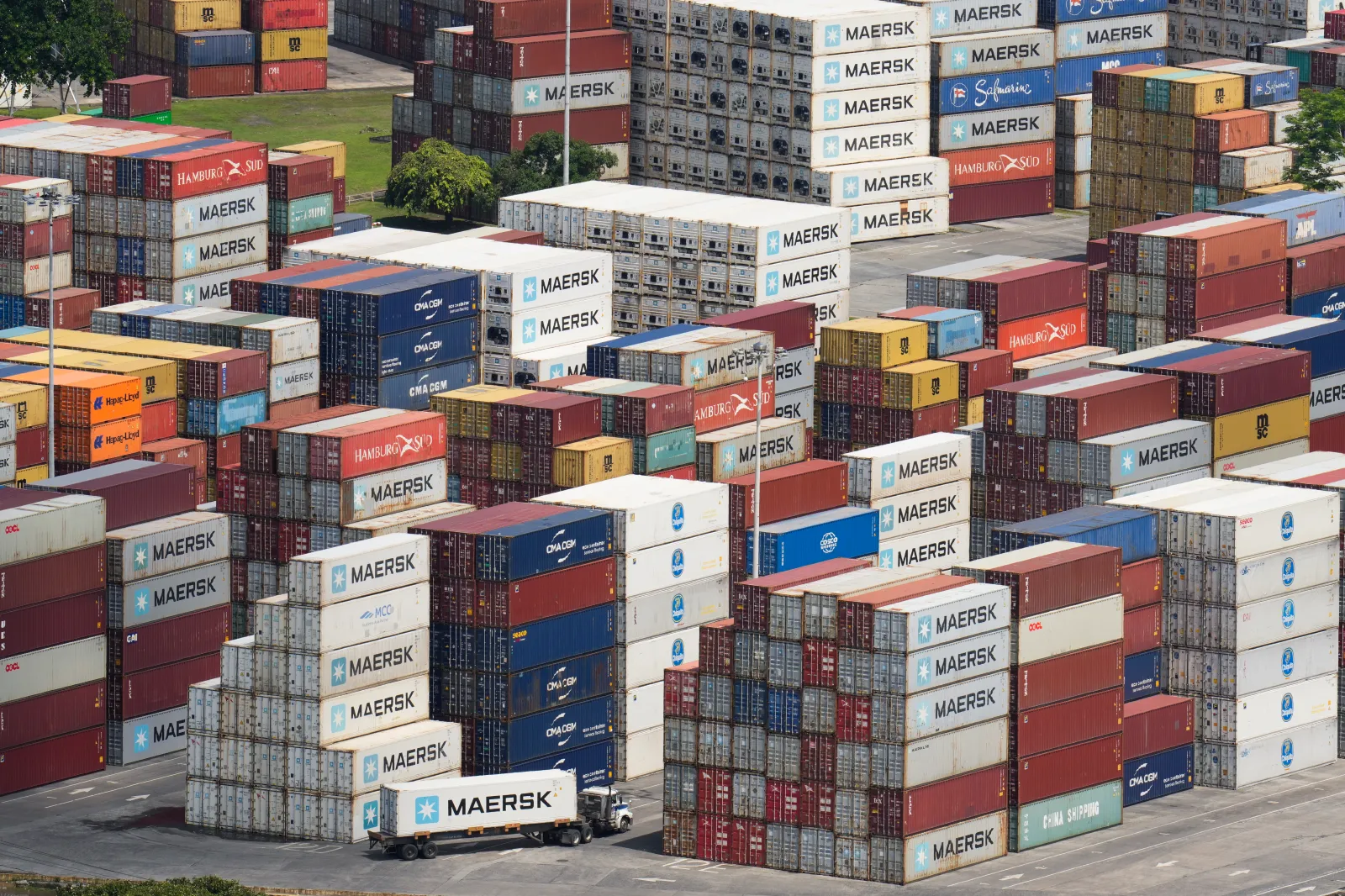
The issue of exports in Panama continues to be a persistent challenge, according to Arturo Siu, president of the Panama Exporters Association (Apex), who warned that the sector faces structural limitations despite the efforts of companies and governments. Siu explained that the country, due to its service-based economy, is heavily dependent on imports, which limits the growth of a more robust export industry. However, he noted that there is significant potential to develop new industries, generate employment, and strengthen the national economy.
The leader addressed the impact of geopolitical tensions in the Middle East, especially the war in Iran, which has put pressure on oil prices and generated an increase in logistics costs globally. “This not only affects exporters, but the entire global economy,” he stated, explaining that the rise in crude oil prices has led to increases of up to 50% in recent months, which translates into higher freight costs for both imports and exports. Siu explained that these increases directly impact the supply chain, making raw materials, internal transport and final products more expensive, forcing exporters to pass those costs on to the consumer.
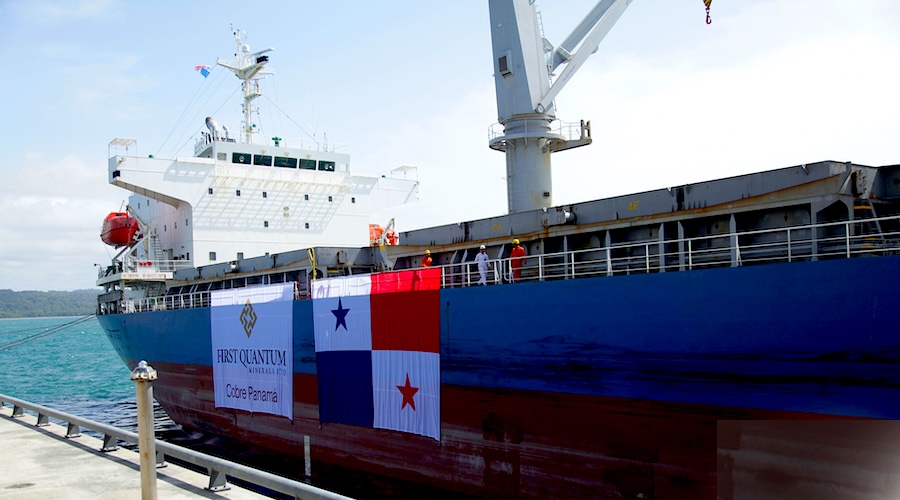
In that context, he acknowledged that the fuel subsidy applied by the Government helps to temporarily mitigate the impact on transportation, although he warned that it is not a sustainable long-term solution. On the other hand, he highlighted that Panama maintains growth opportunities thanks to its geographical position and the global trend of nearshoring and friendshoring, which encourages companies to seek closer and more allied markets. Siu also highlighted that the United States remains one of Panama’s main trading partners, although in the first quarter of 2025 Taiwan surpassed the North American country for the first time as a destination for Panamanian exports. Finally, he stressed the need to reduce bureaucracy, improve logistics processes, and strengthen training for new exporters to expand Panama’s participation in international markets.