Simple Ways to Reduce Your Risk on a Motorcycle
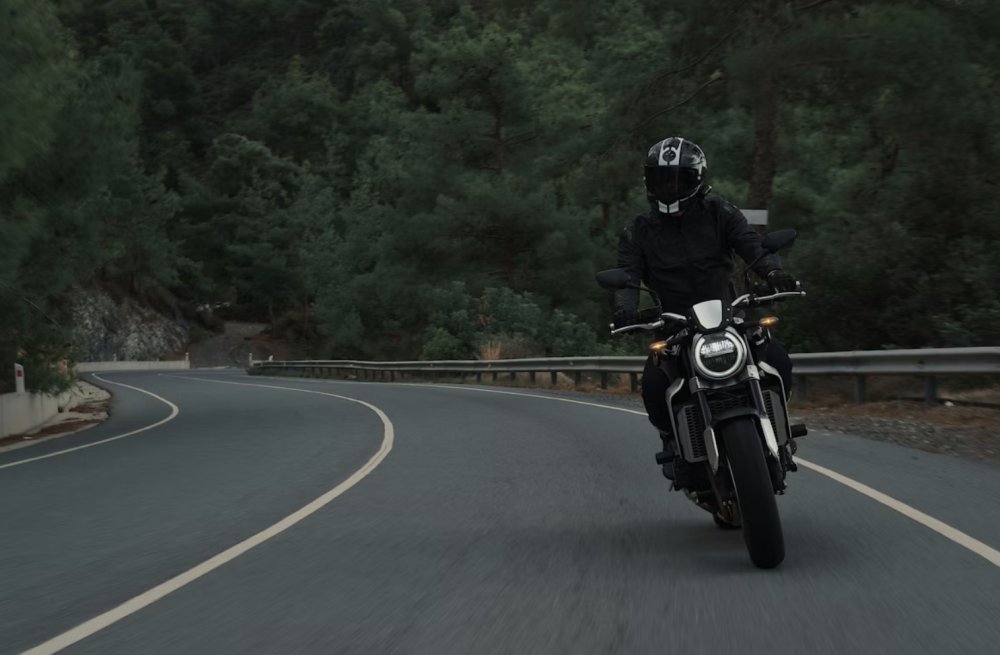
Every year, motorcyclists face a sobering reality: according to NHTSA’s 2023 traffic safety data, motorcyclists are 28 times more likely to die in a crash than passenger car occupants per mile traveled. Despite advances in protective gear and safety technology, the fundamental vulnerability of riding remains unchanged in an increasingly congested traffic landscape.
This disparity isn’t just about physics — it reflects how modern driving conditions have evolved. Distracted driving incidents continue climbing, road infrastructure struggles to keep pace with traffic volume, and weather patterns grow more unpredictable. For the estimated 8.6 million motorcycle owners in the United States, understanding practical risk reduction strategies has become essential rather than optional.
The stakes extend beyond statistics. A serious motorcycle accident can mean months of recovery, substantial medical bills, and long-term mobility challenges. Yet most crashes stem from preventable factors: visibility issues, inadequate protective gear, poor riding techniques, or lack of proper training. The encouraging reality is that informed riders who implement comprehensive safety practices dramatically reduce their exposure to these risks.
What follows isn’t another generic safety checklist, but an evidence-based examination of what actually works to keep motorcyclists safer — from the latest research on protective equipment to the riding strategies that matter most in real-world conditions.
Why Motorcycle Safety Remains Crucial Today
The modern riding environment presents challenges that didn’t exist even a decade ago. Smartphone usage while driving has fundamentally altered traffic patterns, with the National Safety Council reporting that distracted driving contributes to roughly 25% of all traffic crashes. For motorcyclists, this shift means operating in a landscape where other drivers are increasingly unpredictable and less aware of their surroundings.
Urban infrastructure compounds these risks. Many roads were designed decades before current traffic volumes, leaving motorcyclists to navigate inadequate sight lines, poorly maintained surfaces, and intersection designs that prioritize car flow over visibility. Highway expansion projects often create construction zones with shifting lane patterns and reduced shoulder space — exactly the conditions where motorcycles become most vulnerable to serious accidents.
Weather volatility adds another layer of complexity. Climate patterns now produce more frequent severe weather events, from sudden downpours to extreme heat that affects both rider performance and road surface conditions. Unlike car drivers who remain largely insulated from these changes, motorcyclists must adapt their riding style continuously throughout a single trip.
The economic implications of motorcycle accidents extend far beyond immediate medical costs. According to recent insurance industry data, the average motorcycle crash requiring hospitalization generates medical expenses exceeding $57,000, with rehabilitation costs often pushing totals much higher. Many riders discover too late that their health insurance contains exclusions or limitations for motorcycle-related injuries, leaving them financially exposed during extended recovery periods.
Perhaps most critically, the window for effective accident response has narrowed. Modern emergency medical protocols have improved trauma outcomes significantly, but only when help arrives quickly. In rural areas or during off-peak hours, response times can stretch beyond the critical first hour that often determines long-term prognosis.
What Motorcycle Safety Gear Is Essential and How to Use It
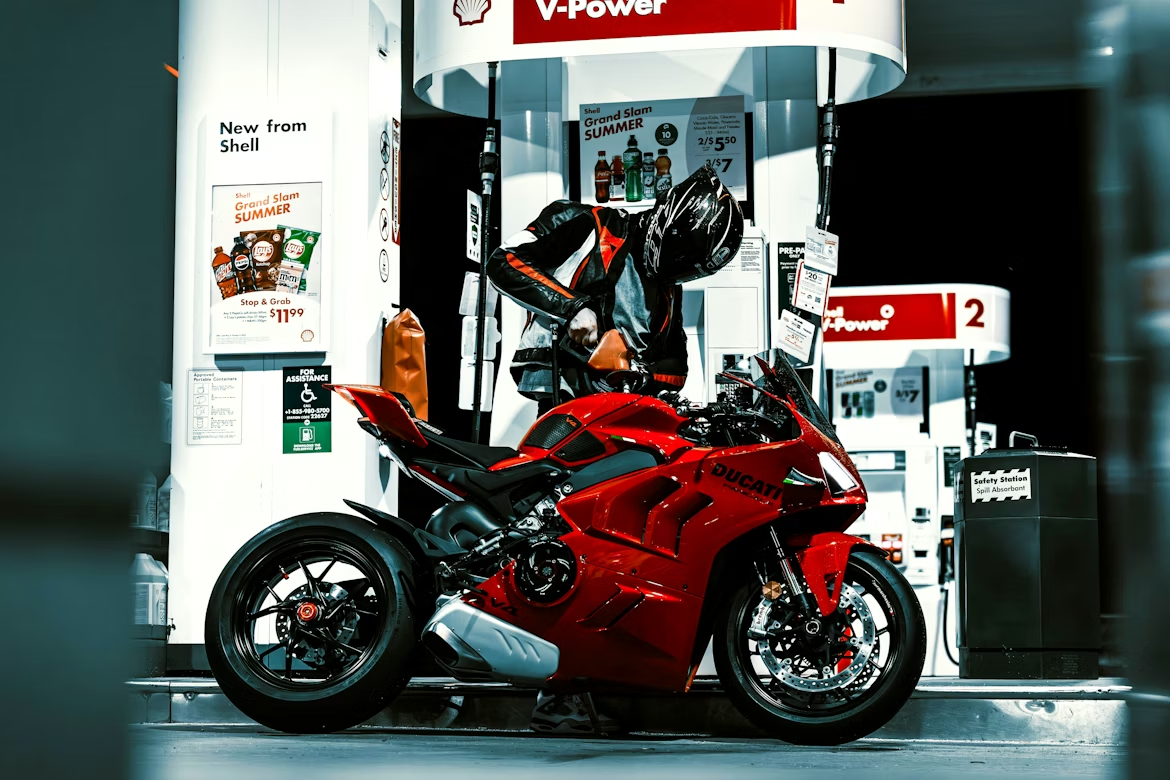
The protective gear market has evolved dramatically in recent years, but effectiveness depends entirely on proper selection and usage. Research from the Insurance Institute for Highway Safety demonstrates that helmets reduce the risk of death by 37% and head injury by 69% — yet these statistics only apply when helmets fit correctly and meet current safety standards.
Modern helmet technology goes far beyond basic impact protection. Advanced models incorporate multi-density foam layers, improved ventilation systems, and integrated communication capabilities. However, a premium helmet worn incorrectly provides less protection than a basic model worn properly. The key lies in understanding how different designs interact with riding conditions and individual physiology.
Body armor represents the next critical layer of protection. Contemporary motorcycle jackets and protective clothing incorporate materials developed for military and aerospace applications — materials that can absorb and distribute impact energy across larger surface areas. The challenge lies in balancing protection with comfort and mobility, particularly during longer rides or in varying weather conditions.
Proper Usage of Helmets and Motorcycle Jackets
Helmet effectiveness depends on precise fit and positioning. A properly fitted helmet should feel snug but not uncomfortable, with no pressure points after extended wear. The chin strap must remain tight enough that you can’t pull the helmet off when fastened, but loose enough to avoid restricting blood flow or breathing.
Many riders unknowingly compromise their protection by choosing helmet sizes based on comfort rather than safety specifications. A helmet that feels comfortable in the store may shift during riding, particularly at highway speeds or in crosswinds. Professional fitting services can identify these issues before they become safety problems.
Motorcycle jackets require similar attention to fit and function. Proper positioning means the jacket covers your lower back completely when you’re in riding position, with sleeves long enough to extend to your wrists even when your arms are stretched forward to the handlebars. Armor inserts must align with vulnerable areas — shoulders, elbows, and spine — and remain positioned correctly throughout the ride.
Comparing the Effectiveness of Protective Gear
Recent comparative studies reveal significant differences between gear that meets basic safety standards and equipment designed for specific riding conditions. CE-rated armor, for example, provides measurably better impact protection than non-certified alternatives, but only when properly integrated into well-designed garments.
Material technology has progressed beyond traditional leather and textile options. Modern synthetic materials can provide superior abrasion resistance while offering better ventilation and weather protection. However, these advantages only matter if the gear fits properly and gets worn consistently.
The most critical insight from recent safety research is that gear effectiveness drops dramatically when riders compromise on any element. Wearing an excellent helmet with inadequate body protection, or vice versa, creates vulnerable points that can turn minor accidents into serious injuries. Integrated protection systems consistently outperform mixed-and-matched components.
Which Riding Practices Most Effectively Reduce Accident Risk
Defensive riding techniques form the foundation of motorcycle safety, but effectiveness depends on adapting these principles to specific traffic and environmental conditions. The core concept involves positioning yourself to maximize visibility while maintaining escape routes — a strategy that requires constant awareness of traffic patterns, road conditions, and potential hazards.
Modern traffic flow creates unique challenges for motorcyclists. Lane positioning that worked well in lighter traffic may become dangerous during rush hour conditions. Similarly, techniques effective on highways may prove counterproductive in urban stop-and-go situations. The key lies in understanding how different environments affect both your visibility to other drivers and your ability to respond to changing conditions.
Speed management extends beyond simply following posted limits. Optimal motorcycle speeds depend on traffic density, weather conditions, road surface quality, and your skill level. Research consistently shows that crashes occur most frequently when riders either significantly exceed traffic flow or travel too slowly relative to surrounding vehicles.
Maintaining Safe Posture and Visibility
Proper riding posture affects both your control over the motorcycle and your visibility to other drivers. An upright, alert position provides better traffic awareness while making you more noticeable to drivers checking their mirrors. Slouching or leaning excessively reduces your ability to react quickly to changing conditions.
Visibility enhancement requires active effort throughout every ride. This means positioning yourself in the most visible portion of your lane, using reflective gear during low-light conditions, and employing your headlight and horn strategically. Many motorcyclists underestimate how difficult they are to see, particularly during dawn and dusk hours when light conditions change rapidly.
Color choices matter more than many riders realize. While personal preference often drives gear selection, high-visibility colors and retroreflective materials measurably improve detection by other drivers. The research is clear: motorcyclists wearing bright, contrasting colors are involved in significantly fewer intersection accidents.
Adapting Riding Strategies for Different Conditions
Weather conditions demand immediate strategy adjustments. Rain reduces both visibility and traction, requiring wider following distances and more gradual acceleration and braking. However, many riders focus solely on slippery surfaces while ignoring reduced visibility issues that affect other drivers’ ability to see motorcycles.
Urban riding presents different challenges than highway travel. City streets require constant position adjustments to maintain visibility while navigating parked cars, delivery vehicles, and pedestrian traffic. The frequent stop-and-go nature of urban traffic also creates different risk patterns than sustained highway speeds.
Night riding multiplies many safety challenges. Reduced visibility affects everyone, but motorcyclists face additional risks from impaired drivers and reduced depth perception that makes distance judgment more difficult for other drivers. Successful night riding requires enhanced lighting, reflective gear, and modified following distances.
How Rider Training and Education Improve Safety Outcomes
Formal motorcycle safety training produces measurably better safety outcomes than informal learning approaches. The Motorcycle Safety Foundation’s research demonstrates that riders completing structured courses experience 30% fewer accidents in their first two years of riding compared to self-taught riders. These benefits persist throughout a rider’s experience, suggesting that early training establishes fundamental habits that continue protecting riders over time.
Advanced training courses address skills that basic licensing requirements often overlook. Emergency braking techniques, obstacle avoidance strategies, and hazard recognition training can mean the difference between a close call and a serious accident. Many experienced riders discover gaps in their fundamental skills when participating in formal training programs.
Ongoing education proves equally valuable. Refresher courses help experienced riders identify bad habits that develop over time, while advanced training introduces new techniques and technologies. The motorcycle industry’s rapid evolution in safety technology means that even veteran riders benefit from periodic skills updates.
The psychological aspects of rider training often receive insufficient attention. Understanding how stress, fatigue, and overconfidence affect decision-making helps riders recognize when they’re operating at increased risk. Training programs that address these mental factors consistently produce better long-term safety outcomes than those focusing solely on technical skills.
Professional instruction provides objective feedback that self-assessment cannot. Instructors can identify subtle technique issues that compromise safety without the rider realizing it. This external perspective proves particularly valuable for addressing ingrained habits that may have developed incorrectly.
How Safety Regulations and Emerging Technology Impact Rider Protection
Motorcycle safety regulations vary dramatically across jurisdictions, creating a complex landscape for riders who travel across state lines. Some states mandate helmet use for all riders, while others require protection only for younger or inexperienced motorcyclists. These regulatory differences reflect ongoing debates about personal freedom versus public safety that directly affect rider protection levels.
International safety standards often exceed U.S. requirements, particularly in helmet and protective gear certification. European CE standards, for example, require more rigorous testing than comparable U.S. standards. Understanding these differences helps riders make informed decisions about gear purchases, particularly when considering equipment manufactured for international markets.
Emerging technology promises to address some traditional motorcycle safety challenges. Anti-lock braking systems (ABS) are becoming standard on larger motorcycles, with NHTSA data showing significant reductions in fatal crashes for ABS-equipped bikes. Similarly, traction control and stability management systems help prevent crashes during challenging riding conditions.
Connected vehicle technology represents the next frontier in motorcycle safety. Vehicle-to-vehicle communication systems can alert motorcyclists to hazards beyond their line of sight, while automatic emergency calling systems can reduce response times after accidents. However, these technologies require widespread adoption to achieve their full safety potential.
The integration of artificial intelligence into safety systems shows promise for addressing human factors that contribute to motorcycle accidents. When individuals find themselves dealing with the aftermath of a serious collision, having access to an experienced motorcycle accident lawyer becomes essential for navigating the complex legal and insurance challenges that arise. Advanced warning systems can identify patterns that suggest increased accident risk, while adaptive lighting systems automatically adjust to optimize visibility based on traffic and environmental conditions.
As safety technology continues advancing, the most significant improvements will likely come from systems that address the fundamental challenge of motorcycle visibility. Innovations in active lighting, conspicuity enhancement, and driver awareness systems promise to tackle the root causes of many motorcycle accidents rather than simply mitigating their consequences.