The Cattle Herds in Panama are being Decimated Due to Organized Theft
Cattle rancher Ovidio Saavedra speaks about the reality of the agricultural sector, in a time of less hard work and more theft.
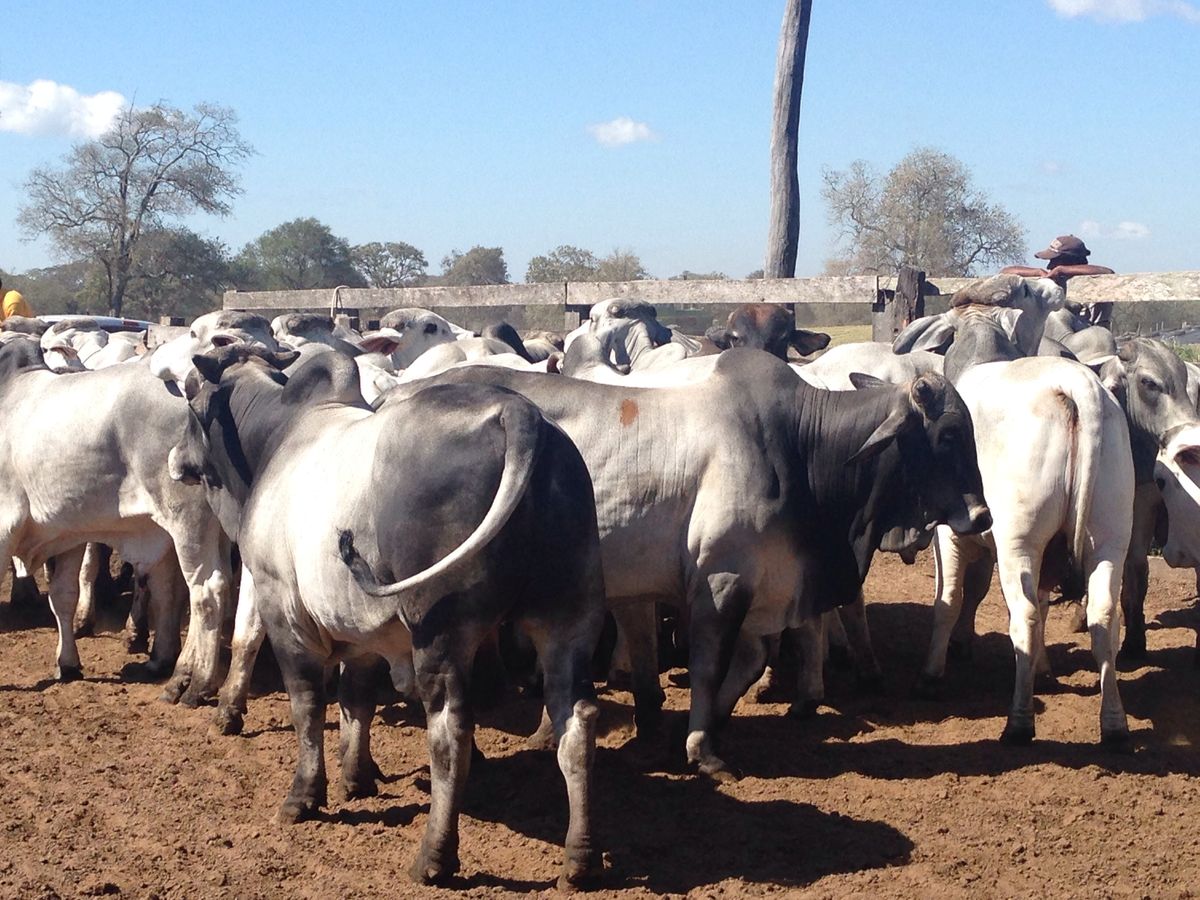
Far from being an isolated crime, livestock theft has become an organized operation that dismantles livestock production in Panama, costing the sector millions and threatening its sustainability with each animal slaughtered and disappearing from the market. When cattle rustlers steal and slaughter livestock, the meat ceases to exist as evidence.
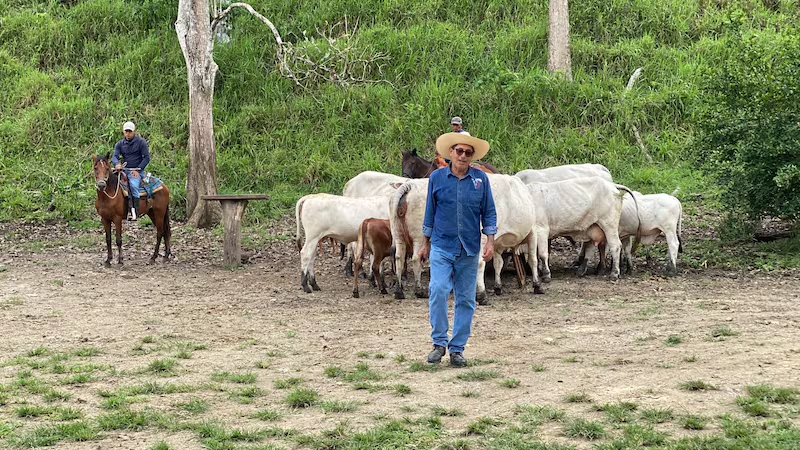
Cattle rancher Ovidio Saavedra isn’t speaking from theory. He’s speaking from experience. A bull was stolen from him. It wasn’t resold as cattle. It was slaughtered and sold as meat. When you lose it, the blow isn’t just immediate. It’s cumulative: fewer offspring, lower quality livestock, and years of investment lost in a single act.
A Growing Crime that is Difficult to Investigate is Livestock Theft
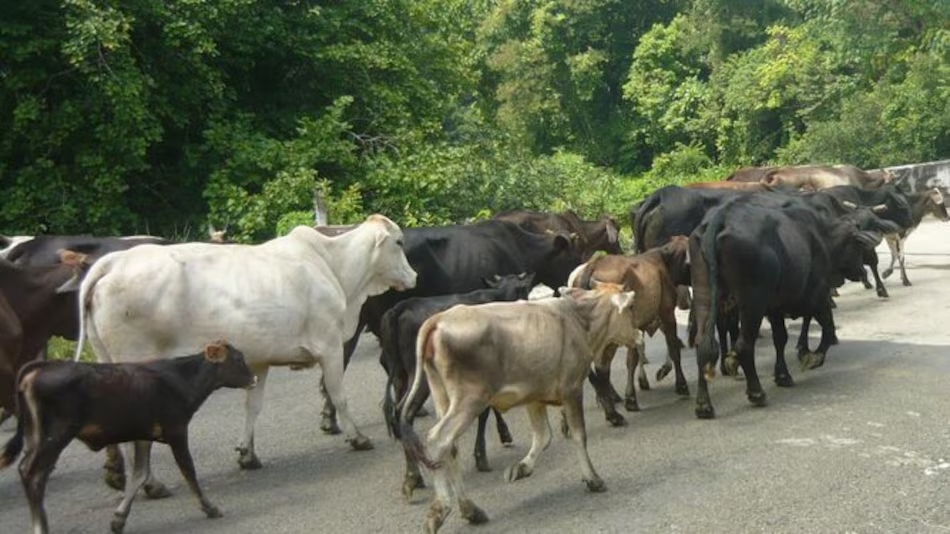
Article 217 of the Penal Code establishes penalties of 6 to 8 years in prison for those involved in the crime of livestock theft, and the sanction could reach up to 10 years if the criminal act is committed by an official or through the falsification of documents. It is also considered an aggravating factor to transport stolen cattle or slaughter them near streams or water sources, as well as when the act is committed with the use of force. However, bringing these cases to justice is not always easy. Former prosecutor Aurelio Vásquez explained that investigating livestock theft is a complex task, since the crime is usually committed in remote areas and the evidence is generally degraded.

Former police officer Arulio Vásquez pictured above, asserted that the investigation into livestock theft faces limitations.
Vásquez also pointed out that there is no specialized or equipped police personnel to carry out the initial steps to preserve evidence for the start of a formal investigation. Furthermore, he explained that there is no strict control over the transport of livestock, which makes it difficult to determine the origin of an animal; if it does not have a brand, it is impossible to identify its owner. The former official explained that this is a criminal activity with a major impact in provinces such as Coclé, Herrera, Los Santos and Chiriquí, where there are farms dedicated to raising cattle in remote areas without clear references, which causes a delayed response from the authorities. In 2024, a bill was introduced to increase prison sentences for livestock theft to up to 12 years, but this initiative did not obtain the necessary votes to modify the law that punishes this criminal conduct.
Members of Criminal Network Dedicated to Cattle Theft Sentenced: Cow Gate
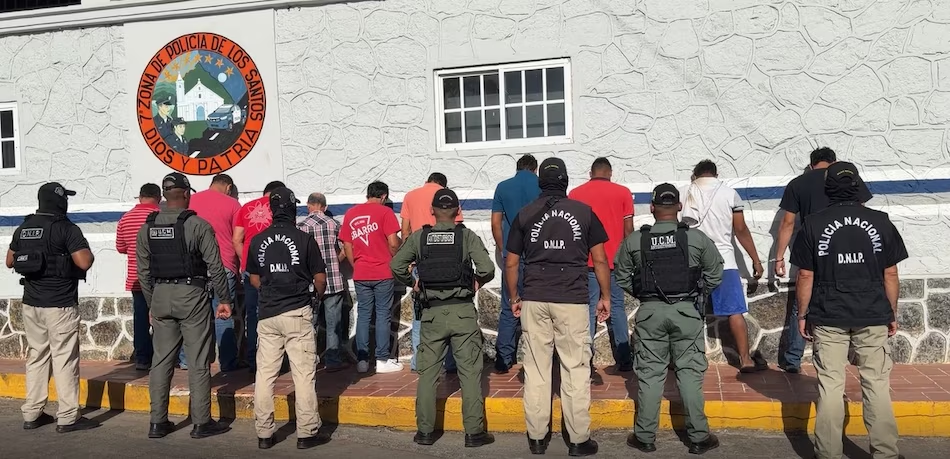
The Public Prosecutor’s Office carried out raids in the provinces of Los Santos and Herrera.
Cattle losses were on the rise due to a well-known reason: the advance of cattle rustling in rural areas. However, that simple explanation began to crumble. What was assumed to be a traditional crime now points to a more sophisticated network, involving not only organized logistics but also the alleged participation of officials from various levels of government, radically changing the nature of the cases reported so far. A total of seven people were sentenced to prison terms of 48 and 60 months and another seven were charged with the crime of illicit association who were part of a criminal network dedicated to livestock theft in the provinces of Los Santos and Herrera.
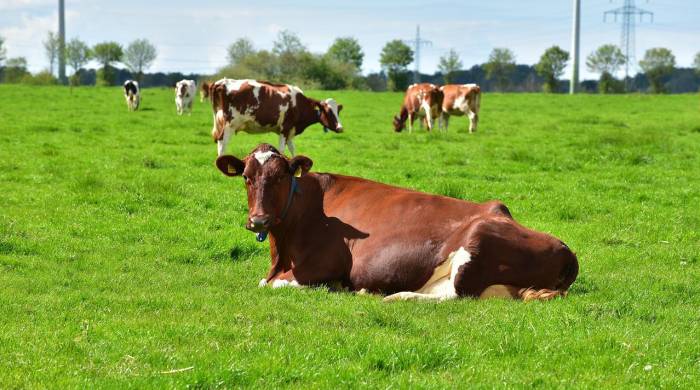
Judge Bosco Monterrey validated plea agreements for seven of the suspects and charged seven other people, including three officials, who ran a network dedicated to cattle rustling in the Azuero region. Among those charged are an official from the Social Security Fund, whom the prosecution identifies as the alleged ringleader; an official from the Mayor’s Office of Pesé, in the province of Herrera; and another from the Municipality of Los Santos; who are accused of collaborating with the criminal structure for the movement of the stolen cattle. The participation of municipal officials would be key. In Panama, the issuance of the Slaughter and Shipment Guide for livestock, managed in the municipal treasuries, is not only a prerequisite for slaughter, but also a crucial point where the actions of officials and the control over the legality of the livestock being moved converge.
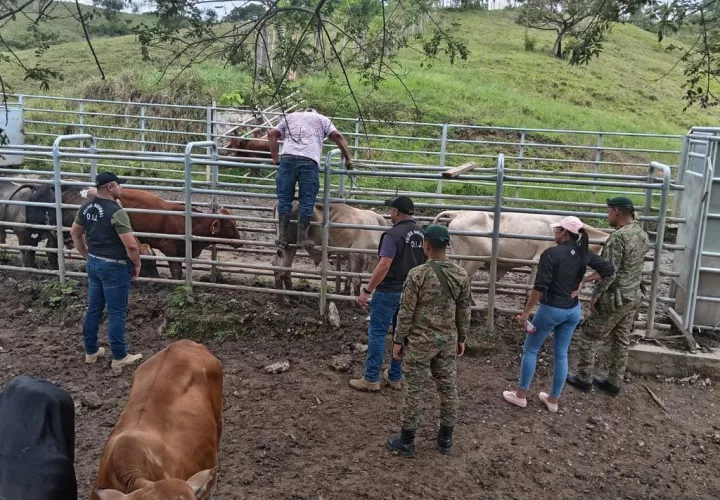
Also among those charged are a veterinarian, transporters and day laborers who were in charge of moving the stolen animals. During the hearing, Judge Monterrey also applied precautionary measures of periodic reporting to seven other defendants, who did not accept plea agreements and preferred to face a trial. The defendants were charged with the crimes of livestock theft, illicit association, illicit association to commit crimes, falsification of documents and corruption of officials. The investigation, which began in 2024, included raids in the towns of El Carate, Peña Blanca in the province of Los Santos and Pesé in the province of Herrera.
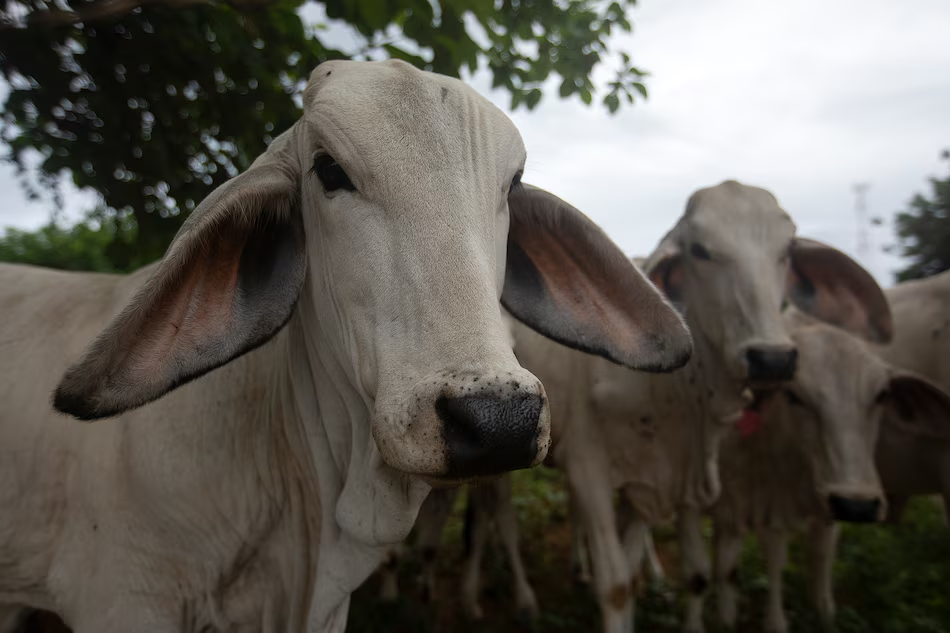
On-site inspections were also carried out at the mayoral offices of Las Tablas, Pesé and the Agricultural Insurance Institute (ISA) of Los Santos, where documents related to the possession of stolen cattle were located. The information from the ISA is another crucial point, as it is an entity that handles information on the value of the livestock that is insured. The Public Prosecutor’s Office managed to link the defendants to seven criminal events in the provinces of Los Santos and Herrera. The prosecution’s investigations revealed that the accused officials helped to legalize the registration of stolen cattle so that they could then be sold through livestock auctions. The judicial operation required the participation of officials from the National Police and the Public Ministry who managed to locate evidence related to the theft of the cattle.