The Challenge of Identifying those Missing during the Dictatorship in Panama
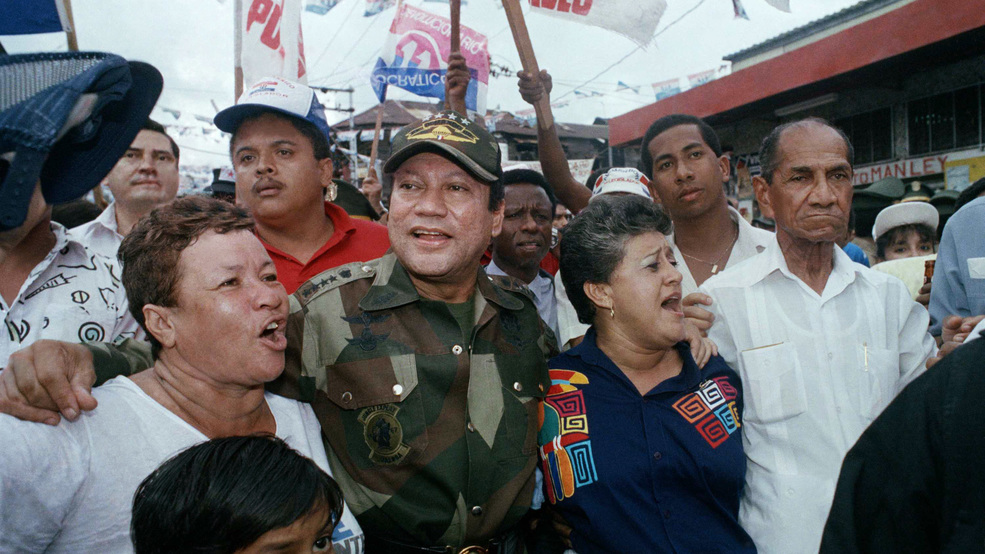
Members of the Committee of Relatives of Disappeared Victims (Cofadepa-HG) demand that the Institute of Legal Medicine and Forensic Sciences (Imelcf) clarify the identity of a group of bone remains recovered during the validity of the Truth Commission. Some of the challenges date back to the excavation work carried out in 2002 at the former Los Pumas de Tocumen barracks, Coiba Island and other places where some bodies were located. They stated that this evidence is crucial for the Public Prosecutor’s Office to establish any kind of responsibility for the disappearance and death of their relatives.
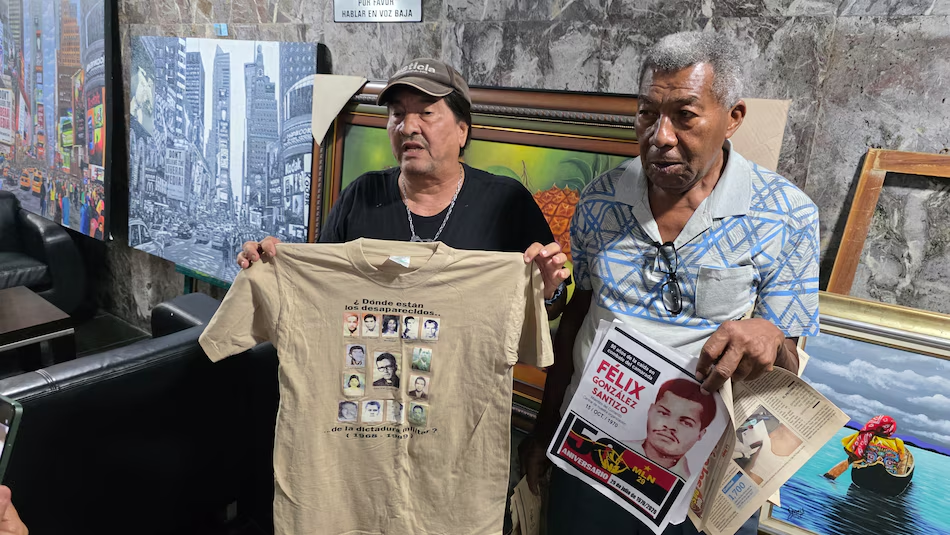
Mario Mendizabal and Concepción González Santizo are calling for the identification of those who went missing during the dictatorship to be expedited.
Maritza Maestre, a relative of one of the victims, explained that in 2025 a group of Colombian anthropologists were at the Imelcf to review the remains and establish a possible work plan to begin DNA testing. Maestre explained that it is necessary for this scientific group to be able to carry out the work and make a comparison of the recovered remains and the samples delivered by the relatives. He acknowledged that the Imelfc has made a great effort in preserving the recovered fragments and establishing contacts with forensic anthropologists, but that equipment and financial resources are required to complete the tests.
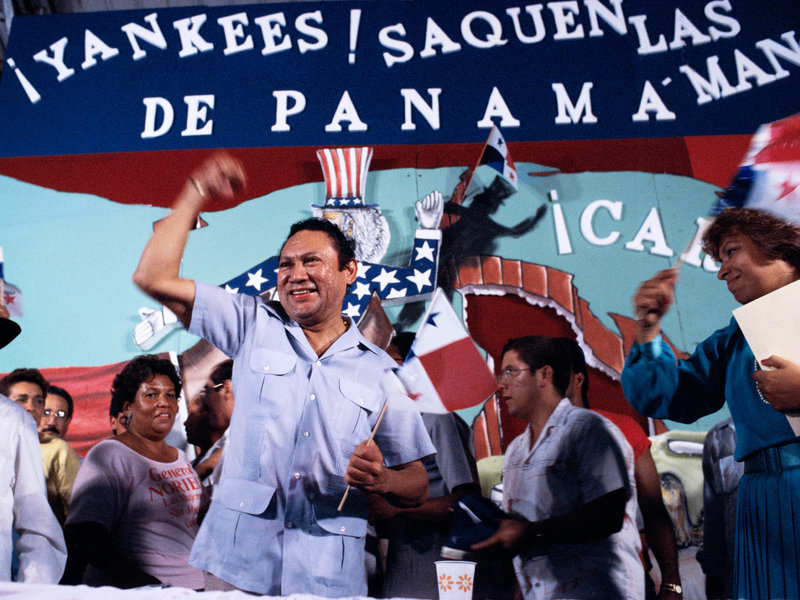
These are about 35 boxes with bone remains recovered during the excavation work carried out by the Truth Commission, after the United States invasion in 1989, with the purpose of locating the bodies of people who disappeared during the military dictatorship. However, the work of identifying the remains has been difficult because the material has been exposed to the elements for many years and requires specialized equipment for DNA extraction. In December 2024, the Public Prosecutor’s Office ordered the reopening of the case of Father Héctor Gallego, who disappeared in June 1971 in the province of Veraguas.
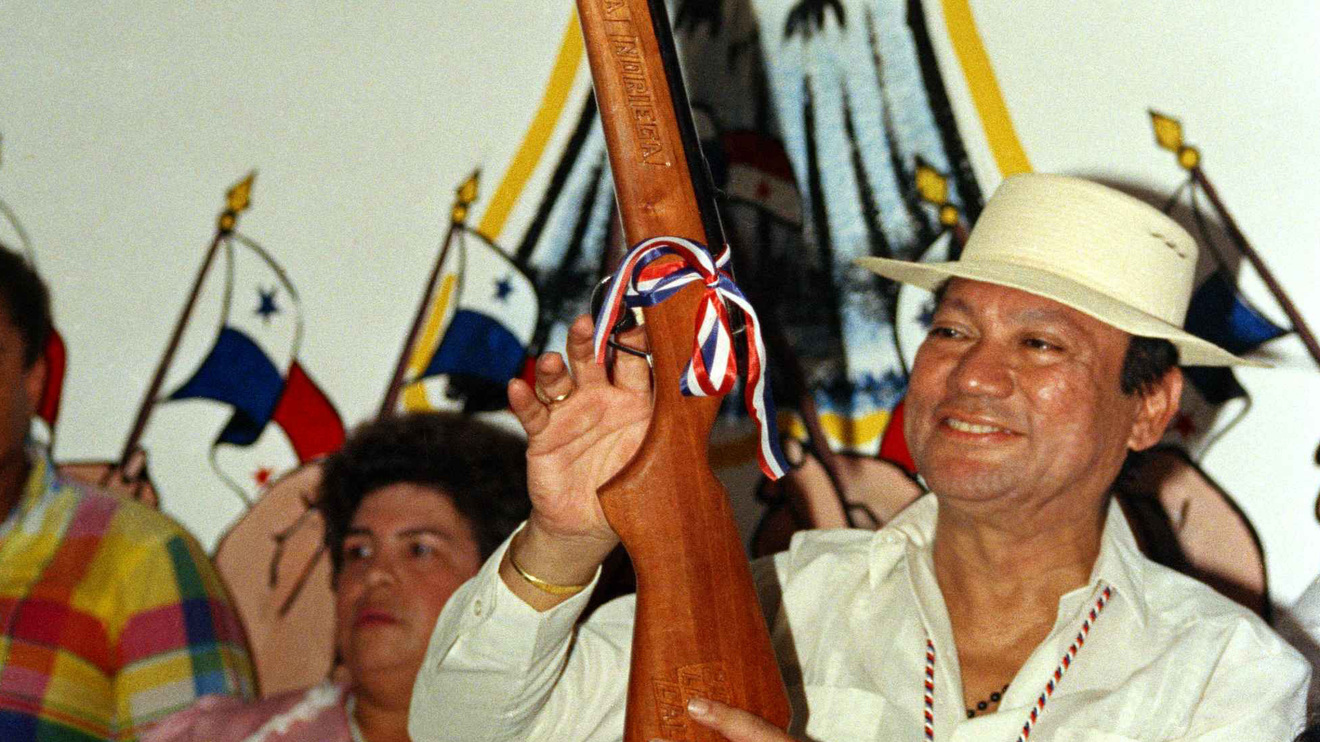
Following this, an inspection was carried out on the grounds of the National Institute of Agriculture (INA), after receiving information about the possible existence of a body in that area, which could correspond to the Colombian priest, but without success. The reopening of this investigation was carried out following a request from the Inter-American Commission on Human Rights (IACHR) for a complaint filed with that international body.
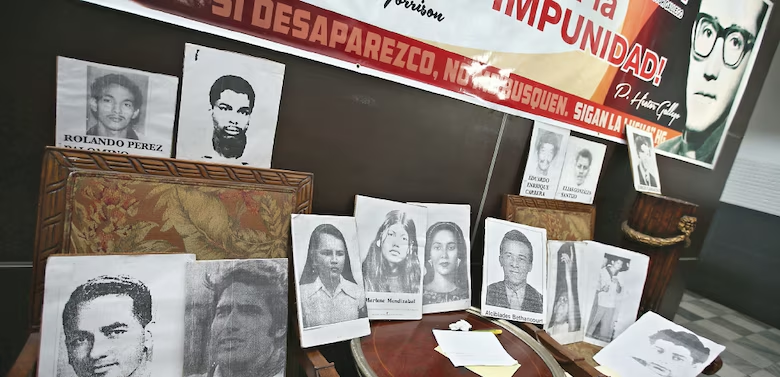
The Héctor Gallego Committee for the Disappeared in Panama has requested reparations from the Panamanian state for the families of those disappeared during the military dictatorship (1968-1989), but this has not yet materialized.
Through the work carried out so far, the remains of Cecilio Hazelwood, Reinaldo Sánchez Tenas, Jerónimo Díaz, Heliodoro Portugal and Gerardo Olivares, all disappeared during the military dictatorship, were identified. Among the remains presumed to be buried on Coiba Island are those of labor leader Floyd Britton, as some witnesses claimed to have seen him in that now-defunct prison, but his body has not been recovered.