Taboos and Sexuality Involving Adolescents in Panama
In Panama, at least 21 girls and adolescents between the ages of 10 and 19 become pregnant every day, according to statistics from the Ministry of Health.
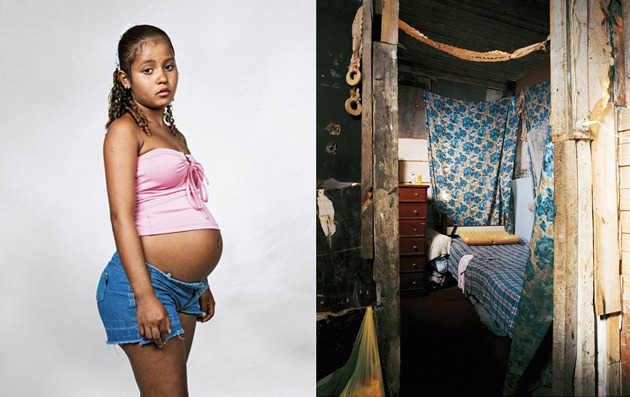
Panama City, Panama: Talking about sexuality in adolescence remains taboo in Panama. Amid silence, myths, and shame, thousands of young people grow up without clear answers about their own bodies, their emotions, and their decisions. In a country where rates of teenage pregnancy and sexually transmitted infections continue to rise, the lack of information is not just a void: it is a risk. What happens when sex education doesn’t arrive on time or simply doesn’t arrive at all? When you have questions about your body… who do you ask? In Panama, many teenagers don’t find answers at home or at school, and end up searching for them silently or on the internet.

After speaking with several teenagers in different parts of the city, their answers revealed a disturbing reality: for many, sex education remains an absent topic at home, therefore limited to classrooms and, when not, to dangerously unreliable sources. When there is no clear information, the dangers increase: premature or unplanned pregnancies, sexually transmitted diseases, fear, and guilt. Orlando Quintero is the director of Probidsida and has been working with young people on these issues for years. “Young people don’t have access to information at home, nor at school; they end up looking for it on YouTube, Google, and so on.”

A recent study revealed that, although adolescents between 12 and 18 years old claim to know how to prevent HIV and other sexually transmitted infections, misconceptions persist: almost half believe that personal hygiene prevents infection, which shows serious flaws in the information they receive. “This is worrying; we have 11 deaths from HIV in young people between 15 and 19 years old,” Quintero said. Sex education is not about promoting early relationships; on the contrary, it is about teaching the dangers, consequences, limits, consent and self-care.
Alarming Figures

Approximately 349 young people aged 15–19 were diagnosed with sexually transmitted infections in 2024. Syphilis: In 2019, 2,553 cases were reported in people aged 25 to 35. In 2024, the number rose to 3,925, with a significant increase in young people aged 15 to 24. Gonorrhea: 831 cases were registered in 2019. In 2024, the figure rose to 1,081, doubling in the 20-34 age group. 2024 ends with 284 deaths from HIV, 150 of them among people aged 20 to 44, according to the Ministry of Health. While teen pregnancy and sexually transmitted infection rates continue to raise alarms, the question is clear: Who is really educating our youth?

To understand when and how this conversation should begin at home, we consulted Yesica Pinzón, a clinical psychologist and sexuality expert. Pinzón points out that parents should address the topic throughout their children’s lives. “When they are young children, they need to be taught about body care and emotional management, and when they enter adolescence, they need to be given the correct information so they can make sound decisions in life,” she said. To learn more about the main concerns of teenagers, we spoke with young members of the Youth Project, a program in partnership with the Ministry of Social Development (Mides), the Ministry of Education (Meduca), and Probidsida. The main concerns of the teenagers they visit in schools are a lack of knowledge about contraception, HIV, and AIDS; they are afraid to ask questions and talk about these topics.