March will be Key to Defining the Panama-David Train Project’s Viability
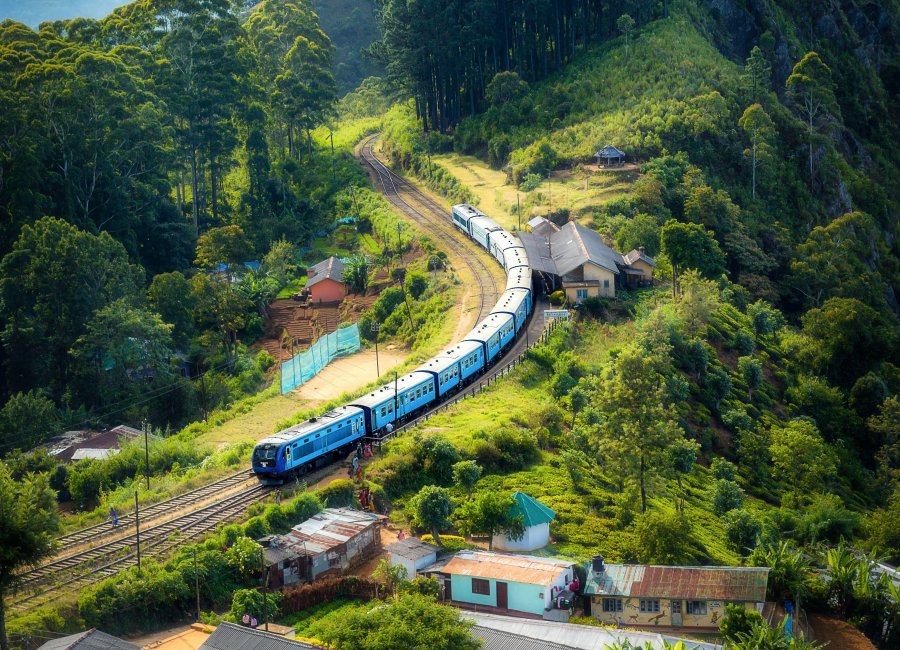
The next few days will be crucial for the future of the Panama-David train project. According to information from the National Railway Secretariat of Panama, the results of the first phase of the project’s feasibility study are expected by March 31.
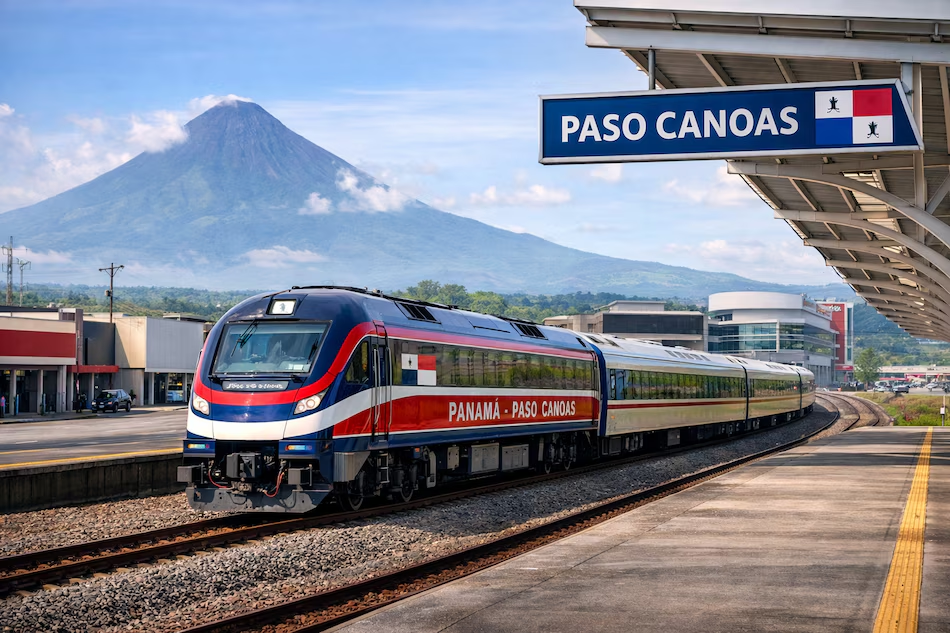
‘The project could cost up to $4 billion, with a length of over 200 kilometers, and a passenger train that will reach a speed of 180 kilometers per hour. Meanwhile, the freight train will travel at 100 kilometers per hour. The train will reach Paso Canoas, the border between Panama and Costa Rica.
After the Signing of a Railway Agreement, the Panama-David-Border Train will Reach Costa Rica
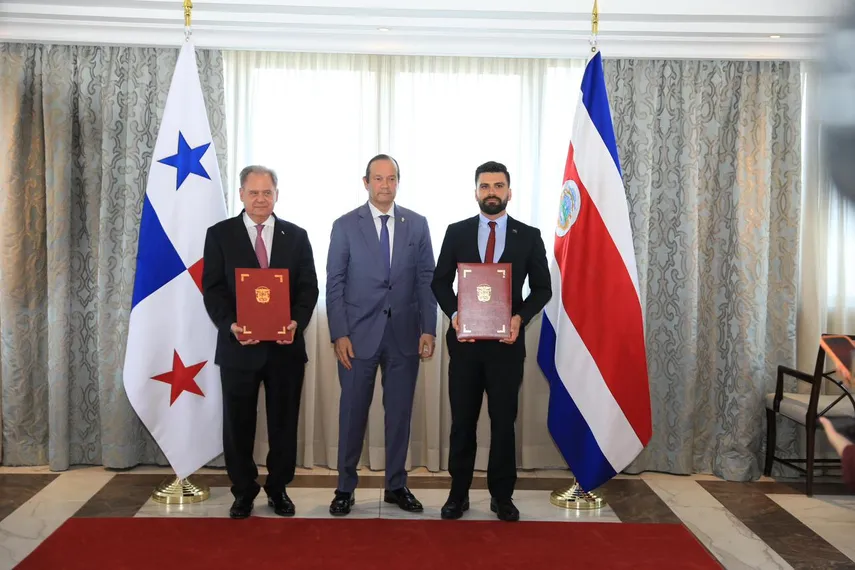
Panama and Costa Rica took a historic step towards regional integration with the signing of a memorandum of understanding that lays the foundation for the development of a Central American Railway Logistics Corridor. The agreement was signed between the National Railway Secretariat of Panama and the Costa Rican Railway Institute, in a ceremony led by Foreign Minister Javier Martínez Acha.
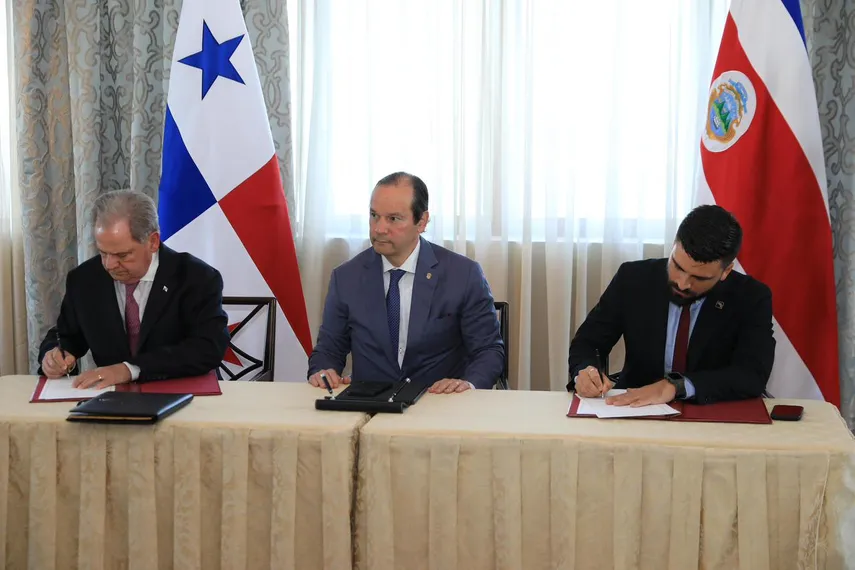
“We are charting a new future and a commitment to the progress and integration of the region,” the foreign minister emphasized.
Panama–David–Border Train: A Regional Project
The memorandum establishes a framework for technical and institutional cooperation that will allow:
- Sharing specialized knowledge
- Align operating standards
- Coordinate engineering studies
- Moving towards regional logistics integration
Initial Phase and Project Progress
The secretary of the SNDF, Henry Faarup, detailed that the project contemplates a preliminary route of 475 kilometers from Panama City to Paso Canoas, with 14 stations planned. The first phase will focus on the Panama Pacific–Divisa section, while key studies such as the following are already underway:
- Technical feasibility (by AECOM USA Inc.)
- Environmental impact
- Socioeconomic census
- Conceptual design of the railway bridge over the Panama Canal
Economic and Logistical Impact
The project aims to go beyond a railway system, integrating:
- Optical fiber
- Electrical transmission
- Dry ports
- Free trade zones
- Port interconnection
Each station will be conceived as a development hub that promotes employment, trade, and tourism.
Unprecedented Integration
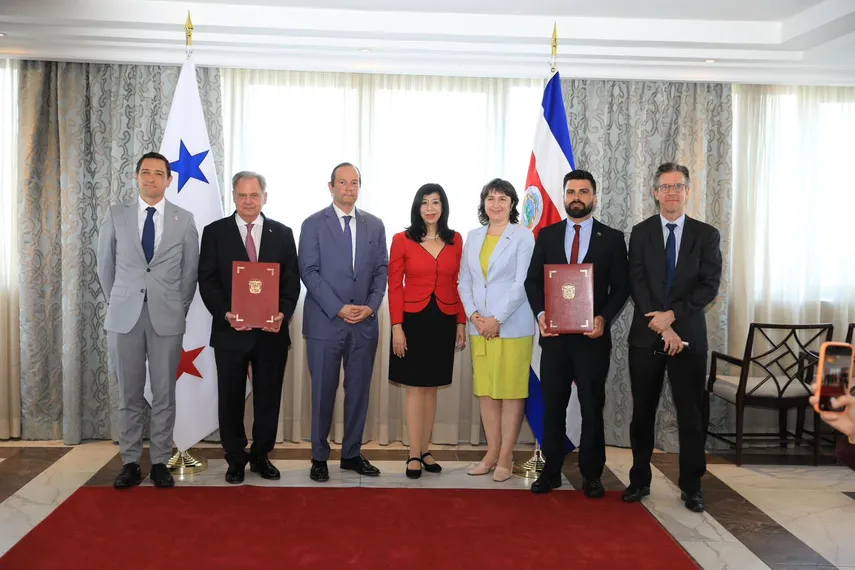
With this agreement, Costa Rica becomes Panama’s first regional partner in this initiative, which could be extended to other countries such as Nicaragua. The president of INCOFER, Álvaro Bermúdez, highlighted that this alliance will boost the economy and strengthen sectors such as logistics and tourism.
Panama and Costa Rica signed a memorandum to develop a railway corridor that will boost regional integration through the Panama-David-Border Train.