The City of Panama Wants a Tunnel Under the Canal
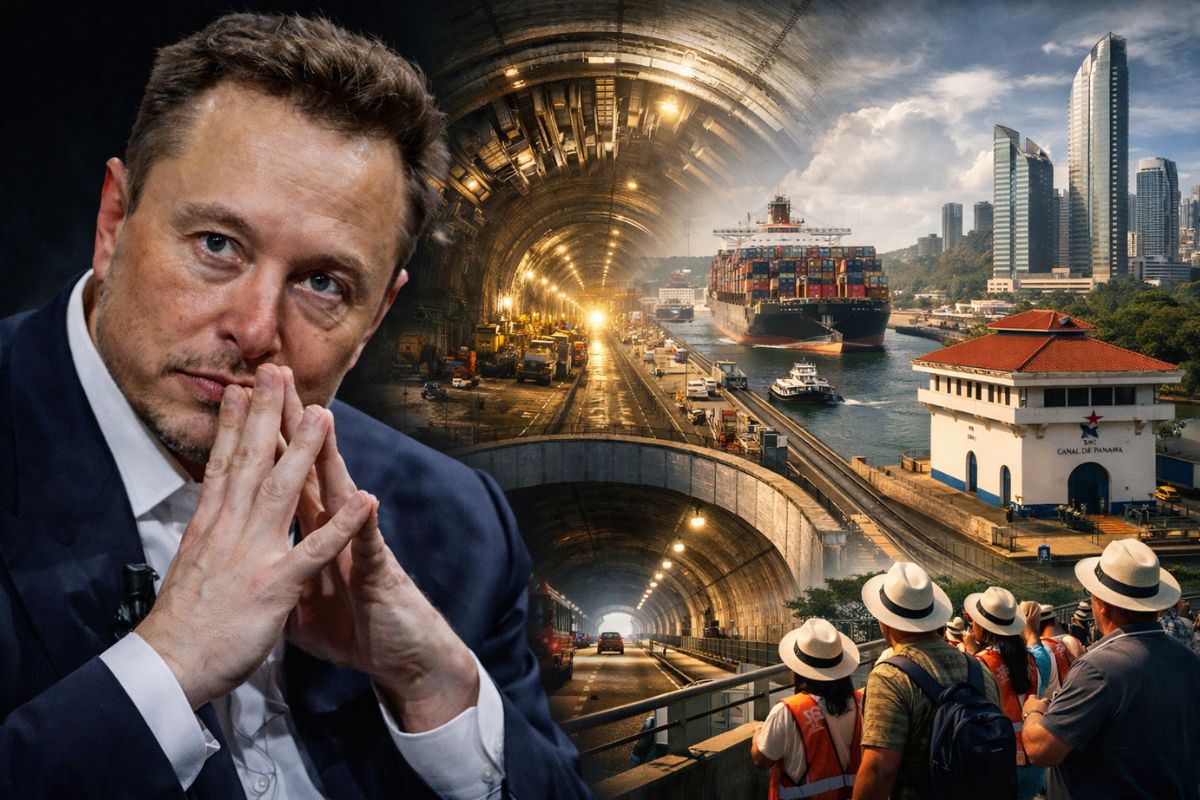
The tunnel under the Panama Canal is at the center of a dispute that unites Elon Musk, urban ambition, historical memory, strategic tourism, and the attempt to transform one of the most sensitive routes on the planet into a public, symbolic, and unprecedented experience for residents and visitors. A free tunnel proposed by Panama City could bring the world’s most strategic waterway into the daily lives of Panamanians themselves, combining underground passage, historical appreciation, educational tourism, and a new showcase of engineering at a point that concentrates global trade, geopolitical tension, and national identity. The tunnel project that Panama City is trying to implement with Elon Musk’s Boring Company began as a bold urban proposal, but quickly transcended the municipal scale.
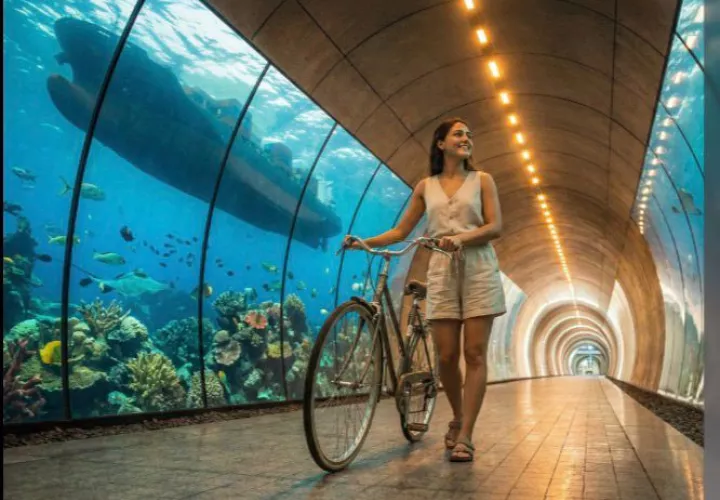
The idea involves opening a pedestrian walkway under the Panama Canal, allowing residents and tourists to cross beneath one of the most important waterways on the planet while directly experiencing its history, economic importance, and symbolic dimension. More than just a mobility project, it was presented as a public experience capable of combining engineering, memory, tourism, and national identity. Instead of viewing the canal only from the outside, the proposal aims to make Panamanians feel like they are part of it, creating a short route, accessible and full of meaning at a point historically linked to world trade and, more recently, to sensitive geopolitical disputes.
The Tunnel Proposal took the Canal Out of the Realm of Contemplation and Brought the Waterway to the Center of Urban Life
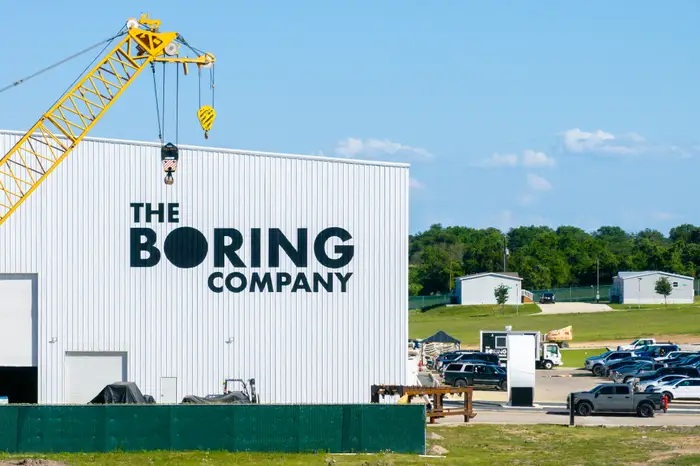
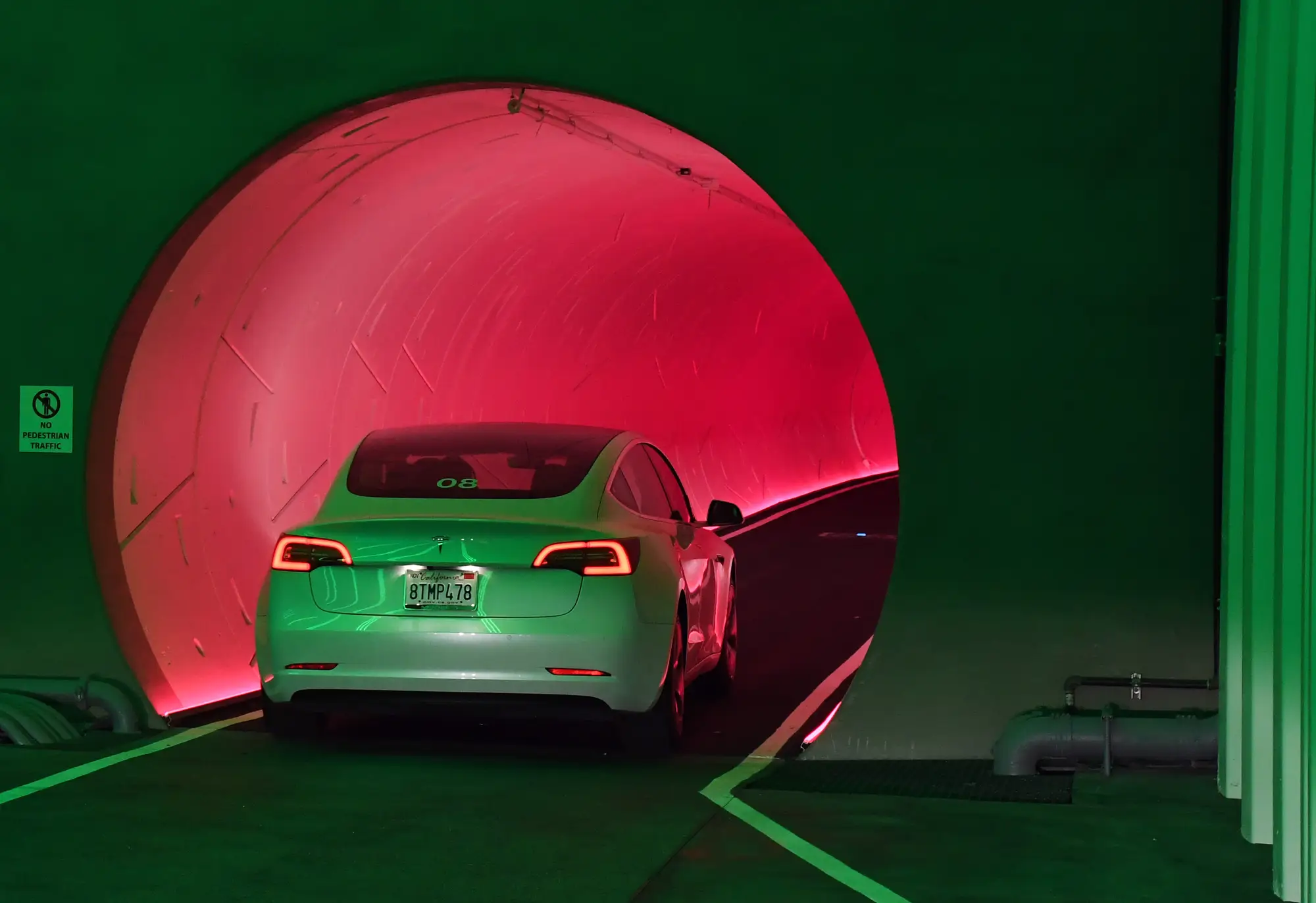
The initiative is championed by the mayor of Panama City, Mayer Mizrachi, 38, who wants to see the capital transformed into the site of a free underground project offered in the Tunnel Vision challenge, launched by the Boring Company pictured below. The competition brought together 16 finalists, and the Panamanian capital emerged as the only one selected outside the United States, which in itself already amplifies the political and symbolic weight of the candidacy. The envisioned route is approximately 0.6 miles, or about 1 kilometer, designed for pedestrians.
The crossing would not be conceived merely as a means of movement between two sides of the canal, but as an experience for visitation and social interaction. The central idea is to convert the tunnel into a public space with elements that help tell the story of the canal’s construction, Panama’s biodiversity, and the waterway’s relevance to the international economy. This concept changes the traditional meaning of an underground structure. Instead of being merely hidden infrastructure, the tunnel would also function as an urban showcase.
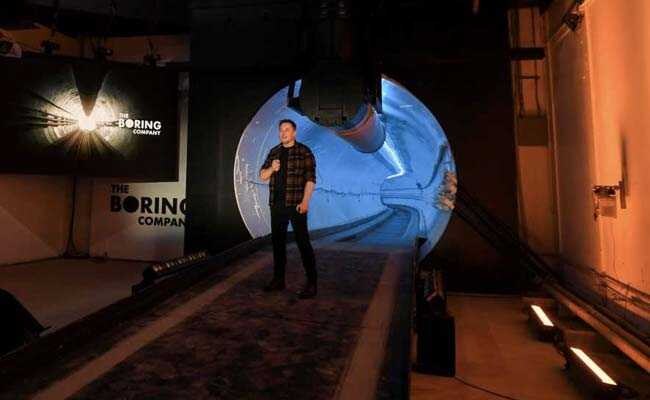
The canal, often perceived as a large cog in the global trade system observed from a distance, would be reinterpreted as a more present element in the daily lives of the local population. Mizrachi starts precisely from this perception: the world uses the Panama Canal, depends on it, debates its strategic role, but the average Panamanian doesn’t always experience it fully. There are visitor centers and observation points, such as the Miraflores Locks, but the proposal suggests something different. It’s not just about watching ships go by, but about symbolically traversing this history from within.
How a Social Media Post Turned into an International Project
According to the mayor, the idea arose after he saw a publication from the Boring Company in January about a challenge offering a free tunnel of up to one and a half kilometers for the best proposal submitted. The initial reaction was said to be quick, almost intuitive, but what began as an impulse gained momentum when city urban planners began to structure the formal presentation of the project. The starting point was an immediate association between the logic of competition and local reality. Mizrachi had visited the tunnel under construction for a metro station in Panama City and saw an opportunity there: to adapt the concept for a pedestrian crossing under the canal, connecting parks at both ends and an expository narrative along the route.
This detail helps to understand why the project gained traction so quickly. It was not conceived merely as an isolated work, but as part of a larger urban experience, with entrance, exit, public circulation, and cultural value. In this design, the tunnel ceases to be a simple underground corridor and becomes a condensed narrative about the country’s history. There is also an element of political and institutional opportunity. The proposal was submitted at the end of the deadline, almost as a last-minute response, but ended up taking on much larger proportions than a symbolic candidacy. By advancing to the finalist phase, the plan came to be seen as a real possibility for projecting Panama City internationally in a debate that mixes innovation, infrastructure, and global image.
Why is this Tunnel of Such Interest to Both the Boring Company and Panama?
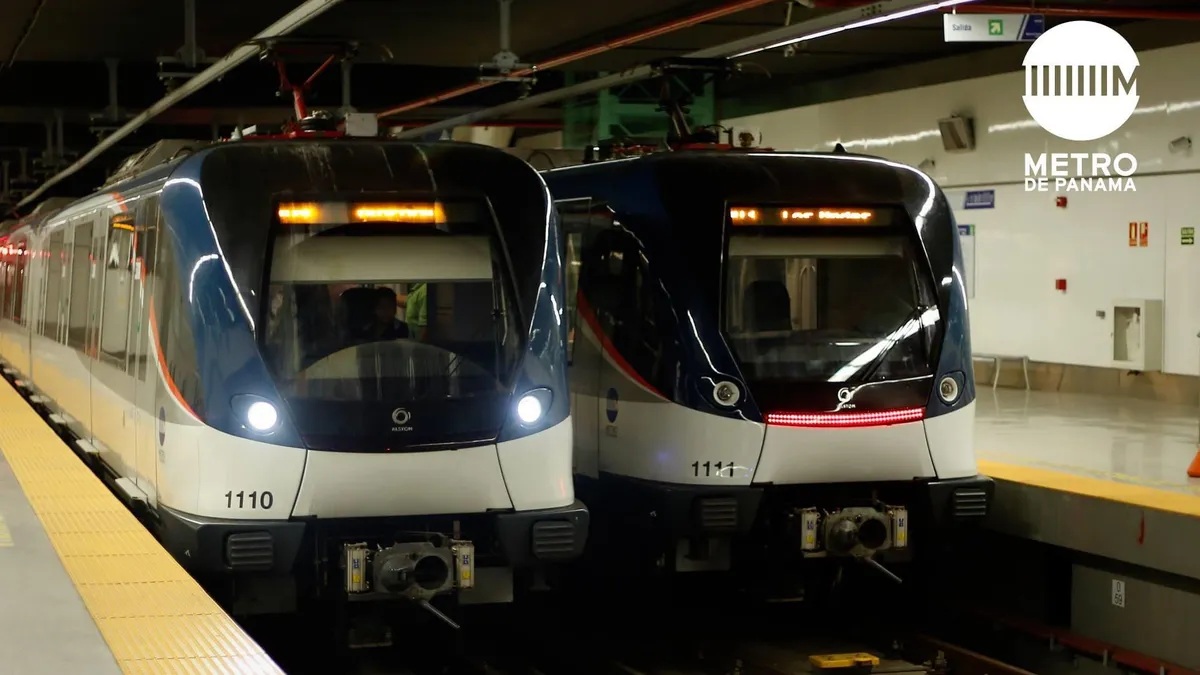
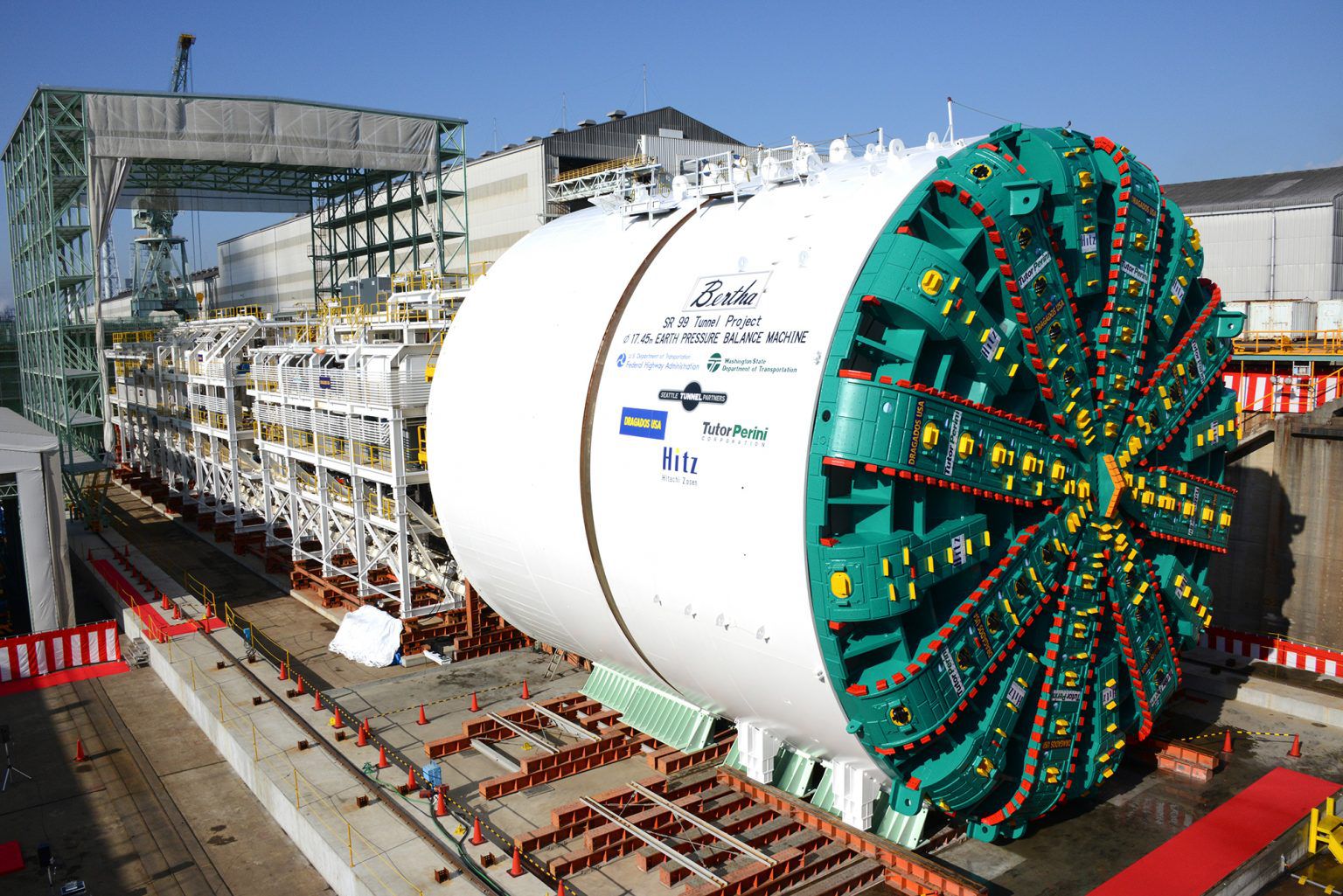
From a Panamanian perspective, the project carries clear urban and touristic value. The canal is a central asset to the country’s history and international economy, but there is still room to expand its use as a public experience integrated into the city. The underground crossing would bring the population, visitors, and historical narrative closer to a heritage site that is often viewed more as a logistical system than as a lived space. From the Boring Company’s point of view, the proposal also has clear advantages. The company is known for advocating more efficient excavation methods and for reusing its drilling machines, something that, according to Mizrachi, would help make viable a type of project that would normally be considered extremely expensive. The promise of cost reduction is one of the points that makes the project more appealing than it might seem at first glance. Panama is used to Big Bertha pictured below to dig out subway or metro train routes.
There is also an important technical and reputational factor. The mayor emphasized that the company has never drilled underwater or crossed a channel of this type. This means that the project, if chosen, could serve as a demonstration of engineering capability in a more challenging context than examples already associated with the brand, such as the Loop in Las Vegas. This dimension matters because the challenge is not just opening an underground passage. It’s doing so in a location laden with strategic sensitivity, historical value, and international visibility. For the Boring Company, it would be a showcase of ingenuity. For Panama, it would be a way to associate the canal, one of the greatest landmarks of global infrastructure, with a new generation of urban solutions.
The Canal as a National Symbol, Global Corridor, and Stage for Geopolitical Tension
The tunnel proposal gains even more weight because it emerges at a time when the Panama Canal has returned to the center of broader political disputes. The draft text recalls that the waterway has been the target of recent geopolitical tensions, including threats from Donald Trump to take control of the canal, alleging that the United States was being harmed by high tariffs and the supposed Chinese influence in the region. In this context, the project ceases to be merely a tourism investment and begins to engage with much larger issues.
The canal is not just any infrastructure. It concentrates crucial commercial flows, connects oceans, affects international logistics chains, and therefore arouses permanent strategic interest. Any initiative linked to the canal inevitably engages with geopolitics, sovereignty, and international projection. The fact that Panama withdrew from the Chinese “Belt and Road” initiative in February 2025 amplifies this interpretation. Even without transforming the tunnel into an explicit diplomatic instrument, the timing of the proposal reinforces its symbolic value.
An underground crossing beneath the canal, associated with an Elon Musk company and desired by a mayor trying to sell efficiency, innovation, and boldness, carries an inevitable political connotation. Therefore, Mizrachi’s speech goes beyond the mayor’s office. He himself acknowledges that the initiative goes beyond his administrative scope and that he has already spoken with the President of Panama about the matter. The project, if it moves forward, would require national coordination and a broader task force. This shows that the tunnel is presented as an urban project, but it can only be fully understood as a matter of state.
What would the Tunnel Represent a Hundred Years after the Canal’s Construction?
One of the strongest points in Mizrachi’s defense lies in its historical dimension. He associates the potential project with a kind of symbolic continuation of the great engineering cycle that marked the canal. In his view, there would be something powerful in the idea that, one hundred years after the construction of this waterway by the United States, a new engineering landmark could emerge there, now crossing the canal from below. This narrative is effective because it connects the past and the future.
The canal consolidated Panama as a nerve center of world trade and as a place of enormous geopolitical importance. The tunnel, in turn, would be smaller in physical scale, but enormous in symbolic weight. It wouldn’t compete with the channel; it would function as a narrative complement to its historical grandeur. At the same time, the proposal repositions the relationship between monumentality and everyday use. The canal has always been perceived as a gigantic undertaking, associated with global flows, ships, tariffs, strategy, and sovereignty. The tunnel, on the other hand, would be a human-scale infrastructure, designed to be traversed on foot.
This creates an interesting contrast: the great axis of international trade could be experienced through a short, accessible, and educational route. This combination helps explain why the project is generating interest. In many cases, infrastructure monuments remain distant from common experience. Here, the promise is the opposite. Panamanians would cease to be mere observers of the canal and become participants in a symbolic crossing linked to national history. The work would have less the function of impressing through its length and more the function of leaving a lasting impression through the experience.
Tourism, Memory, and Public Space as the Central Themes of the Project
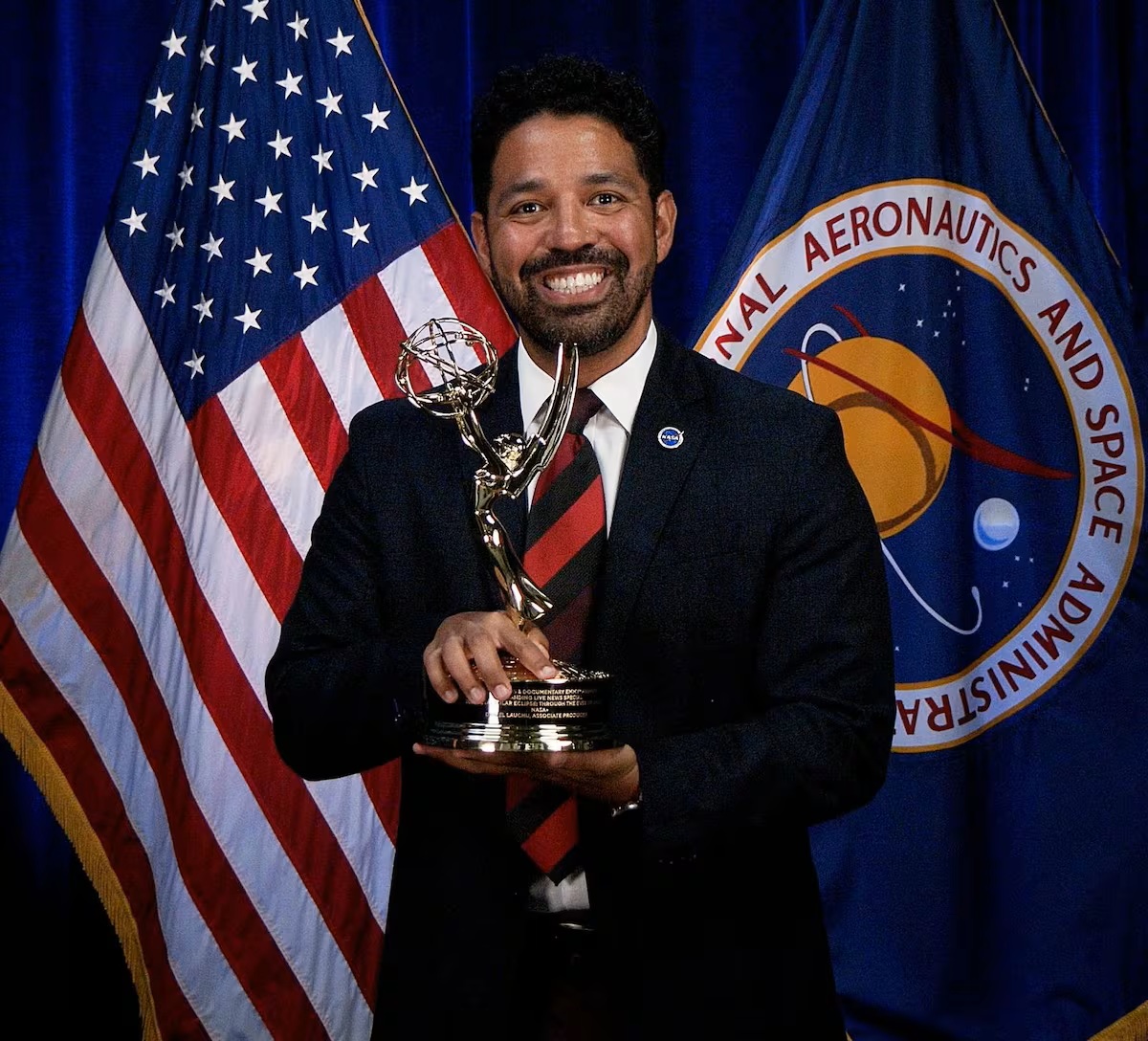
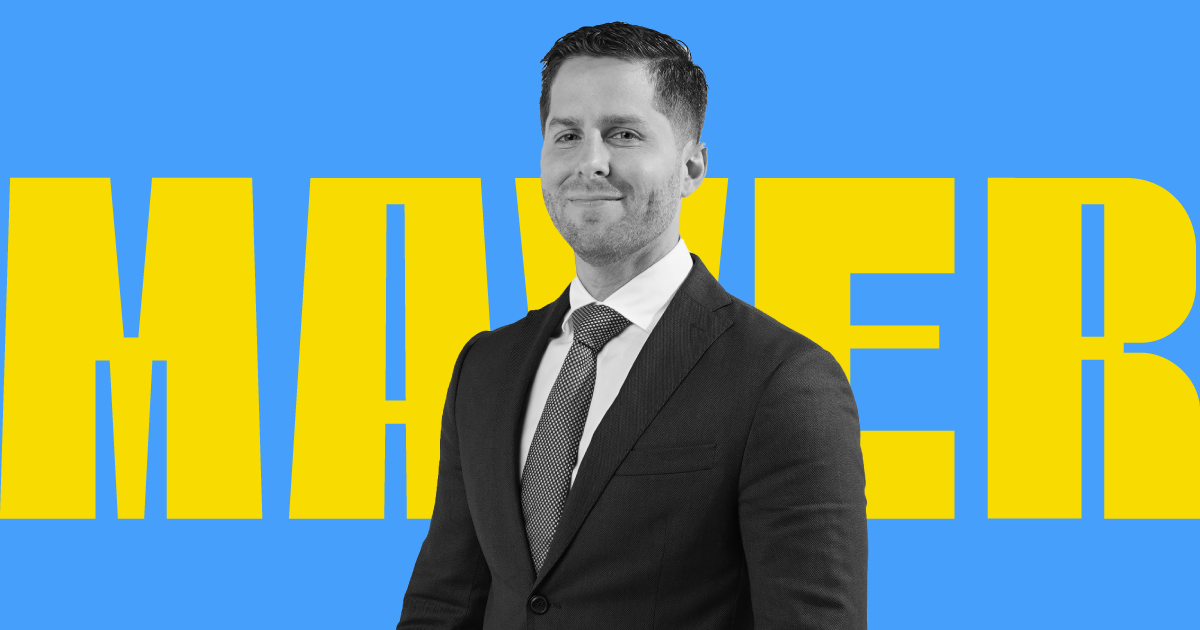
The mayor’s speech emphasizes a crucial element: the tunnel would also be a meeting place for families, residents, and visitors. This formulation is important because it prevents the project from being seen merely as a technological extravagance or a corporate showcase. The proposal attempts to legitimize itself as a public space with social utility and cultural significance. In this sense, the content envisioned for the crossing helps define its identity. Mizrachi mentions the possibility of including thin screens or exhibition resources to present the history of the canal’s construction, Panama’s biodiversity, statistics on the waterway’s operation, and its impact on world trade. The route would be short, but packed with information. Mayor of Panama City Mayer Mizrachi pictured below.

This brings the project closer to a hybrid model between infrastructure and educational attraction. The visitor would not only pass from one side to the other: during the walk, they would be introduced to a narrative about the country, territory, engineering, and the global economy. The tunnel, therefore, would be conceived as an interpretative experience and not merely as a physical passage. There is also a clear urban benefit to this logic. If there are parks or public areas at the edges, as suggested in the initial formulation, the project can act as a catalyst for social interaction and lingering, and not just for transit. Instead of an isolated facility, the project could integrate landscape, light rail mobility, and cultural tourism in one of the most emblematic locations on the continent.
The Technical and Economic Argument Behind an Idea that Seemed Improbable
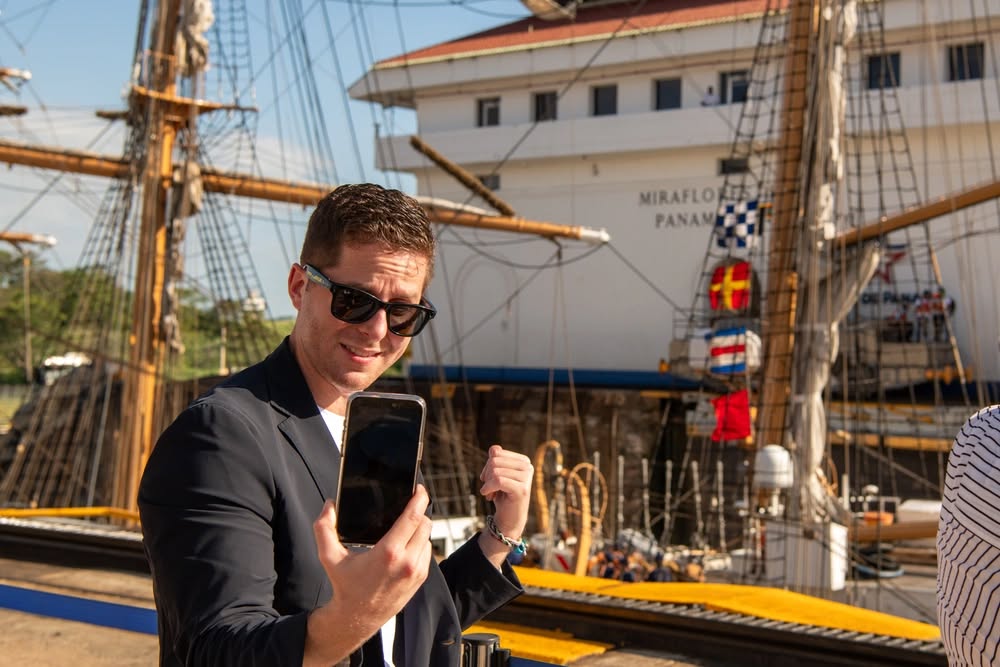
Mizrachi pictured above stated that he received a sort of introduction in Texas about how the Boring Company would approach the project. The aspect that most caught his attention was the perception of feasibility. Tunnels are usually described as extraordinarily expensive projects, which makes initial skepticism about the proposal understandable. Even so, the mayor says he left convinced that the company’s method could change that equation. The main justification mentioned was the reuse of drilling machines. In many traditional projects, this equipment is designed for a specific project and then ends up being discarded or buried after the project is completed. In the model championed by Mizrachi pictured below, this reuse would help lower costs and make the process more efficient.
While this does not eliminate technical, financial, and institutional challenges, it helps to understand why the plan has been presented with increasing seriousness. What initially seemed like just a catchy idea gained substance when it began to be seen as something potentially actionable, it is precisely at this point that the proposal leaves the realm of curiosity and enters the field of real dispute. Also weighing in is the fact that the intended tunnel is designed for pedestrians, and not for a more complex, continuously operating system similar to the Las Vegas Loop. In the mayor’s view, this would reduce the company’s direct dependence on the operational phase. The Boring Company would build the underpass, but would not necessarily need to manage a permanent transportation system on site.
Why Panama City Believes it can Beat US Cities
The Panamanian bid has a unique advantage that the mayor is keen to emphasize: no other American city among the finalists has a canal with the historical, economic, and symbolic weight of Panama. This argument is not merely rhetorical. He attempts to show that the project would have a singularity there, impossible to replicate in other competing locations. Furthermore, the project offers the Boring Company the chance to tackle a new challenge. It wouldn’t just be another urban tunnel. It would be a drilling operation associated with a crossing under a world-renowned waterway, in a context fraught with international repercussions. The uniqueness of the setting can be as valuable as the engineering itself.
There is also an important narrative factor. Technology and infrastructure companies often seek projects that serve as a demonstration of capability and identity. A free tunnel under the Panama Canal would deliver exactly that: a case with high visual, historical, and media appeal, with the potential to project the brand on a global scale. For the city, the gain would be twofold. On the one hand, the concrete possibility of hosting a project with significant impact. On the other, the chance to associate its image with innovation, boldness, and international centrality. In a competitive environment between cities, this type of visibility is very valuable. And, in the Panamanian case, it adds to the historical prestige of the canal itself.
The Profile of Mayer Mizrachi and the Attempt to Govern with an Outsider Image
Another important component for understanding the proposal is the political profile of the person leading it. Mizrachi is presented as the youngest mayor in the city’s history, founder of a secure email platform, and someone who describes himself as an outsider. He claims to be unaffiliated with any party and says he brings the mindset of technological entrepreneurship to politics. This image-building process directly relates to the tunnel project. The idea of reacting quickly to an opportunity, testing solutions, scaling what seems to work, and selling administrative efficiency is at the heart of its narrative. It thus appears not only as an urban work, but as a showcase of a management style. The mayor pictured below also tries to support this discourse with concrete cost-cutting measures.
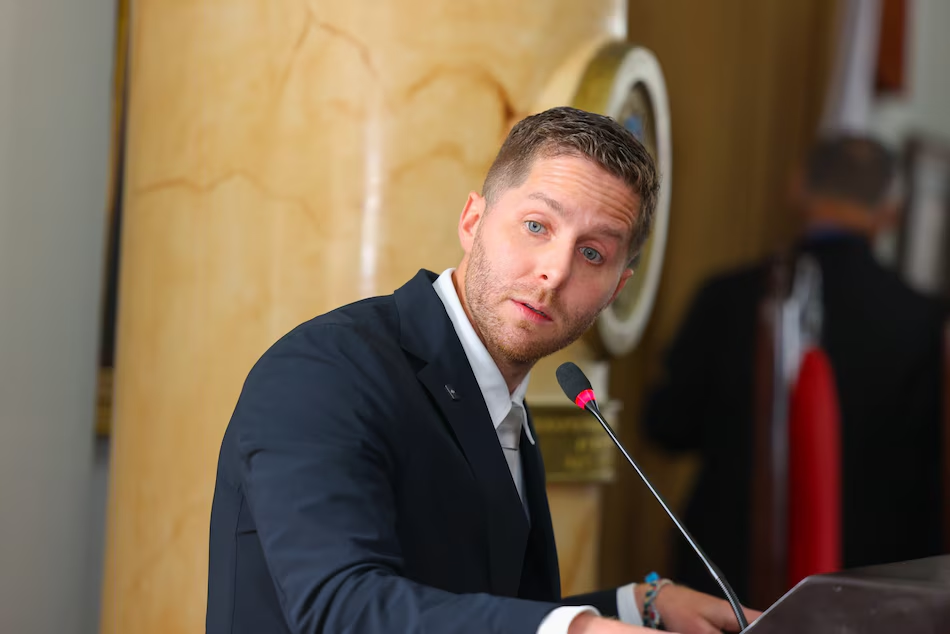
According to him, upon assuming office in July 2024, he identified large-scale waste and reduced the city hall’s workforce from 6.500 to approximately 3.500 people, in addition to implementing a budget cut of approximately 32%, which he considers the largest in the city’s history. These numbers help explain why he associates his governance with the logic of business efficiency. Although this type of discourse provokes debate and division, it fits into the tunnel’s proposal as a coherent narrative piece: a management that seeks high-impact projects, innovative language, and a strong capacity to mobilize public attention.
What is at Stake when a Small Work Attempts to Produce a Gigantic Effect?
Physically, the proposal is modest compared to the scale of the Panama Canal. It’s a pedestrian walkway of about 1 kilometer. But the symbolic reach of the project is much greater than its size. It is precisely this disparity that makes the initiative interesting: a relatively short work attempts to produce very broad urban, tourist, historical, and political effects. This is a key point for understanding the strength of the theme. In many cases, grandiose projects are sustained by volume, cost, or scope. Here, the difference lies in the ability to condense meaning. The tunnel would be short in length, but enormous as a narrative of the city and the country. He speaks of belonging, because he seeks to return the canal to the Panamanians themselves as an everyday experience.
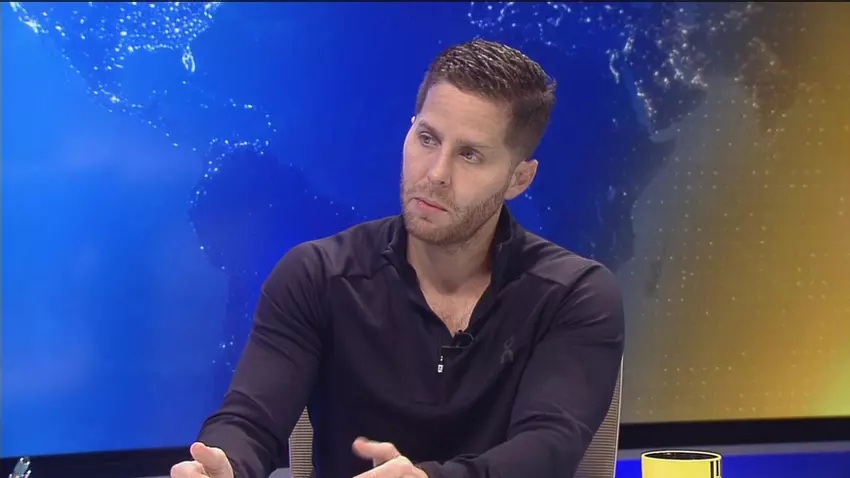
He speaks of tourism, because he transforms the crossing into a unique attraction. He speaks of engineering, because he tests methods and showcases technology. And he speaks of geopolitics, because he establishes himself precisely on one of the most strategic corridors of international trade. All of this helps to understand why the proposal gained traction so quickly. It’s not just Elon Musk’s presence that draws attention. Nor is it just the word “free.” What really drives the debate is the overlapping of layers: infrastructure, global image, symbolic dispute, historical memory, and public use of a point that has always been seen, above all, as the axis of the world economy.
The Dispute over the Tunnel and what it Reveals about the Future of the Panama Canal
Even before any decision is made, Panama City’s candidacy already reveals an important shift in how the area surrounding the canal is being considered. Waterways remain an instrument of global trade and a sensitive element of geopolitics, but the debate now more strongly incorporates themes such as urban experience, public enjoyment, and the symbolic reinvention of territory. This shift is significant. For decades, the canal has been treated primarily as a strategic mechanism, a maritime route, an economic asset, and an object of international dispute. The tunnel proposal does not eliminate any of that, but adds a new layer: the possibility of translating this monumentality into a direct, accessible, and educational human experience. There is, therefore, a movement of reinterpretation. The canal remains colossal, functional, and geopolitical, but it is also beginning to be thought of as a lived landscape.
The tunnel symbolizes precisely this attempt to bring the global scale closer to the scale of the average citizen. Instead of viewing the canal merely as something that serves the world, the proposal aims to make it serve the local population in a more tangible way. The winner of the challenge will be announced on March 23, and the decision will determine whether this ambition will move forward. But, regardless of the outcome, the mere presence of Panama City among the finalists already shows that the discussion has gone beyond mere curiosity. The project has brought together Musk, tourism, engineering, sovereignty, memory, and the city in a rare and highly symbolic combination. The attempt to take a tunnel under the Panama Canal, placing it at the center of the public agenda, demonstrates how a seemingly simple undertaking can spark far greater debate than its scale suggests.
The proposal combines pedestrian crossing, historical appreciation, educational tourism, an engineering showcase, and a geopolitical moment in which the canal is once again being intensely observed by the entire world. If it comes to fruition, the project could transform the relationship between Panamanians and the waterway that helped define the country’s place on the global map. Even if it doesn’t move forward, it will still have played an important role in repositioning the canal as a space for urban life, memory, and imagination. The big question now is whether this bold idea will be remembered merely as a political provocation or as the beginning of a new era in Panama. Do you think a tunnel like that would strengthen the country’s identity or would it open up more debate than consensus?