Curriculum Redesign, Bullying, and Pending Historical Challenges: Panamanian Education Begins 2026 Today
Pictured below is the start of the school year at the Nuevo Chorrillo Educational Center in West Panama. A total of 950,521 students from the official and private school systems began the 2026 school year on March 2nd, amid expectations and historical challenges still pending in infrastructure.
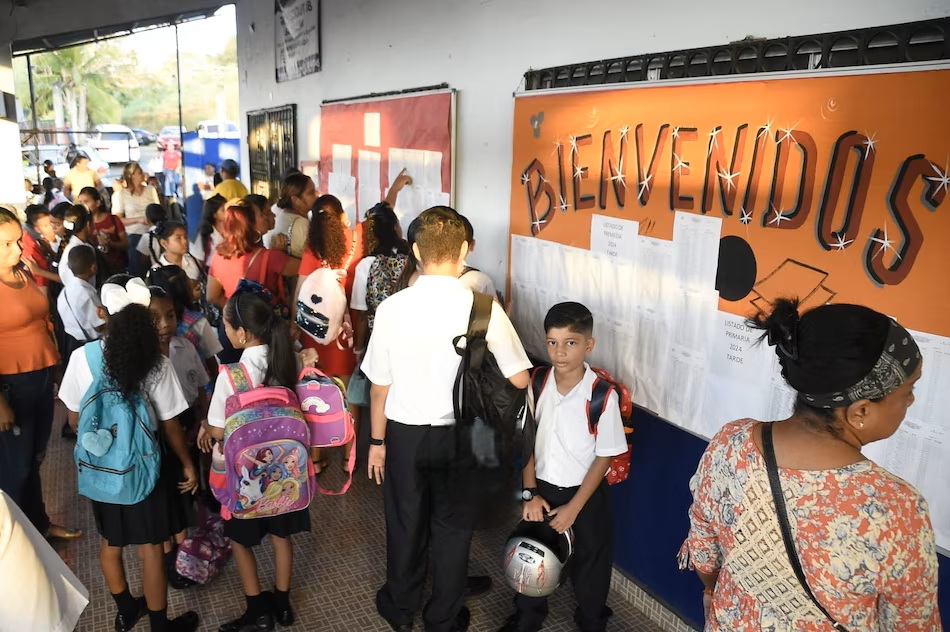
Welcome Back to School 2026. During an interview Víctor Smoli, executive director of the Global Organization for Bullying Prevention, pointed out that one of the main current challenges is addressing the emotional well-being of teaching staff.
Eight out of 10 Students Have Suffered Bullying:
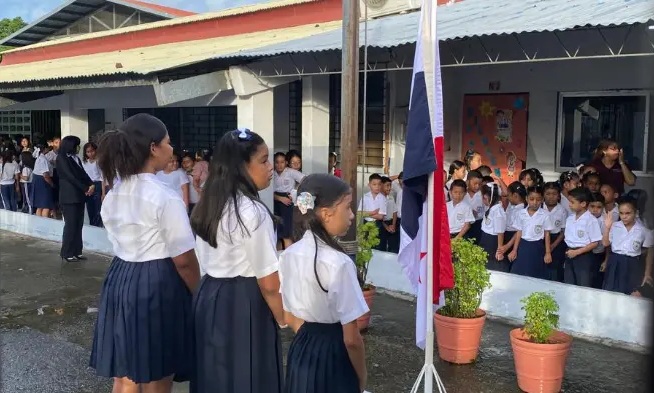
Panama City, Panama: With thousands of students returning to classrooms across the country, the emotions, expectations, and concerns typical of the start of the school year are also resurfacing. Among these, specialists warn that the mental health of the educational community, especially students and teachers, must be a top priority. During an interview Víctor Smoli, executive director of the Global Organization for Bullying Prevention, pointed out that one of the main current challenges is addressing the emotional well-being of teaching staff. “A very important point is the issue of teachers’ mental health. We have to focus on that aspect because if we have mentally healthy teachers, we will obviously have safe classrooms. So, I think we need to start working with teachers, addressing their mental health. It’s something that has been neglected for a long time,” she stated. Smoli explained that the first day of school is often marked by mixed feelings. While many students return with enthusiasm, others experience fear, especially those who have been victims of bullying.

“Many are excited to go to school, while others are terrified because they have experienced systematic bullying for so many years that going to school means facing the threat again without anyone doing anything. It’s a mix of emotions. While children feel that joy of going to class, they also have that terror of facing their aggressor again. In some cases, it may be the teacher, and in others—in the vast majority—it’s the students. It’s an issue that needs to be addressed at home, in open communication with parents,” she warned. According to data from the organization, eight out of ten students report having experienced some type of abuse, harassment or mistreatment at school, a figure that the specialist described as alarming.
Warning Signs at Home and at School
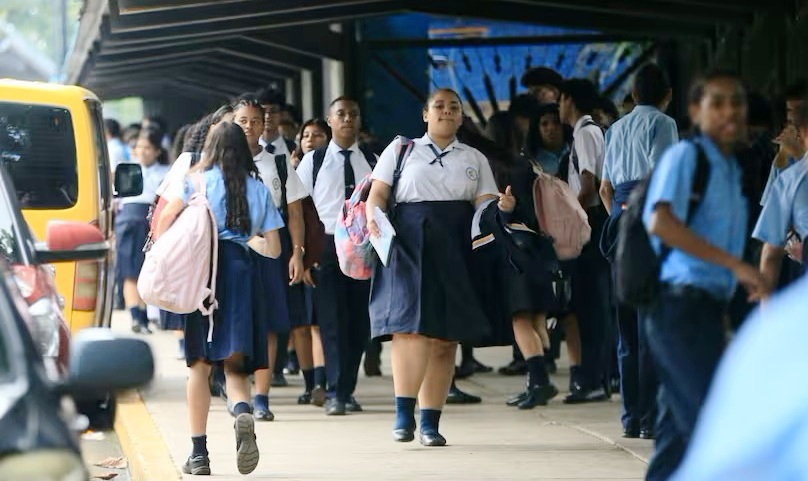
The expert stressed that the first week of the school year is crucial for detecting risky behaviors and establishing the school climate.
Among the warning signs he mentioned:
- Repeated refusal to attend classes
- Frequent physical complaints without a clear medical cause
- Social isolation
- Stress or behavioral changes
He warned that these symptoms can lead to school dropout if not addressed promptly. Smoli emphasized that bullying is not solely a problem among students, but also a responsibility of adults. “Bullying is a lack of responsibility on the part of adults. It is we who must guarantee safety in the classroom,” she stated. She also emphasized the role of the home in shaping behavior. According to a survey conducted by the organization in 2023, only 12% of children reported feeling happy at home, an indicator that, in her opinion, reflects emotional voids that can influence aggressive behavior.
Cyberbullying, a Growing Threat

Another area of concern is cyberbullying, which, according to the expert, extends harassment beyond the school environment. Given this situation, he raised the need to strengthen the regulation and supervision of social media use by minors, as well as to promote more effective public policies. As part of prevention efforts, the organization recently presented a manual against bullying and xenophobia, developed in conjunction with the International Organization for Migration and endorsed by the University of Notre Dame.
The Document, which is Free to Download, Offers:
- Basic definitions
- Empathy strategies
- Activities for the classroom and home
- Action protocols
Smoli reiterated that the organization provides free training to public schools, parents, and students, both virtually and in person. The specialist concluded that the start of the school year should be seen as an opportunity to strengthen prevention and collaborative efforts between schools and families.