Recovery After Hair Transplant: Full Timeline & Aftercare Guide
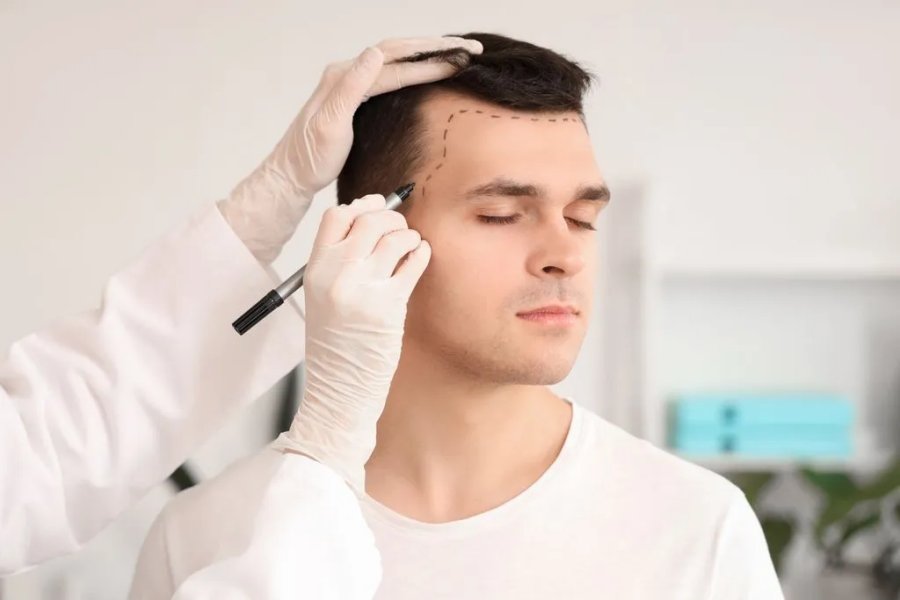
What happens after your hair transplant matters just as much as the procedure itself. The safety hair transplant recovery follows predictable stages, though every person heals at their own pace depending on the technique used and individual biology.
Your body needs time to accept the transplanted follicles, establish blood supply, and begin natural growth cycles. Knowing what comes next at each stage prevents unnecessary worry when normal symptoms appear.
Days 1-3: Сritical Healing Window
The first 72 hours determine graft survival more than any other period. Transplanted follicles sit vulnerable in their new sites because they haven’t yet connected to blood vessels beneath your scalp. Protect them carefully from any physical contact, pressure, or friction.
Swelling around your forehead and eyes is completely normal. Fluids injected during local anesthesia need time to dissipate. The swelling typically peaks on day two or three, then gradually subsides. Sleeping with your head elevated on multiple pillows reduces this considerably.
Mild discomfort is expected but shouldn’t be severe. Over-the-counter pain medications usually provide adequate relief. Intense pain signals potential complications – contact your clinic immediately if this happens.
Redness across the recipient area looks alarming but represents normal healing. Your scalp has undergone thousands of tiny incisions, so some inflammation is inevitable. This redness fades progressively over coming weeks.
Days 4-7: Scab Formation and First Wash
Tiny crusts form around each transplanted follicle starting around day four. These scabs protect healing sites but must be removed gently to avoid pulling out grafts along with them. Most clinics schedule your first professional hair wash on day three or four, using specialized shampoo and gentle technique.
After this initial wash, you can carefully clean your scalp daily at home. Use lukewarm water and baby shampoo, applying it with gentle patting motions rather than rubbing. Never scratch your scalp even if itching becomes intense. Applying saline spray throughout the day keeps the area moisturized and accelerates healing.
By day seven, most scabs should have loosened significantly. The donor area, where follicles were extracted, typically heals faster than the recipient zone. FUE extraction leaves tiny circular marks that fade gradually over several weeks.
Weeks 2-4: Shock Loss Phase
Around two weeks post-procedure, transplanted hairs begin falling out. This “shock loss” phenomenon alarms many patients who worry the surgery failed. Actually, this is entirely normal and expected. The trauma of transplantation pushes follicles into a resting phase called telogen. The hair shafts shed, but the roots remain safely embedded in your scalp.
During this period, you might notice surrounding non-transplanted hair also shedding. This temporary thinning happens because nearby follicles react to the surgical trauma. This hair grows back within a few months, so stay calm.
Physical activity restrictions loosen after two weeks. You can gradually resume light exercise, though avoid anything causing excessive sweating or head trauma. Swimming pools and saunas remain off-limits for at least a month due to infection risks.
The Turkey hair transplant cost includes comprehensive aftercare instructions tailored to your specific procedure. To precisely maximize your investment’s success just follow the guide.
Months 2-4: Waiting Game
These months test patience severely because visible progress is minimal. Your scalp looks relatively unchanged from how it appeared after shock loss. Follicles are working beneath the surface, transitioning from resting phase back to active growth, but you can’t see this happening.
Around month three, tiny wisps of new hair emerge. These initial hairs appear thin, wispy, and sometimes curly even if your natural hair is straight. This is temporary – as hair matures, it assumes normal texture and thickness.
This “ugly duckling” phase frustrates many patients who expected faster results. Hair transplant outcomes require a full year to mature. Stay patient and trust the biological process.
Months 5-8: Visible Transformation Begins
Month five typically brings the “pop” phase when growth suddenly becomes noticeable. Coverage reaches approximately 50-60% of the final result. Hair thickens progressively as individual strands mature and more follicles exit their resting phase.
By month six, you can style your hair normally, trim it, and generally treat it like regular hair. The density isn’t complete yet, but the improvement over your pre-procedure appearance is substantial.
Hair transplant Turkey packages usually include check-ups around this time, either in-person if you’re nearby or via video consultation. These appointments allow your surgeon to assess progress and address any concerns.
Months 9-12: Final Maturation
The final months bring continued thickening and darkening of transplanted hair. By month 12, approximately 80-90% of grafts have produced visible hair. Some follicles take up to 18 months to activate, so minor improvements can continue into the second year.
At the one-year mark, most patients achieve their final density and can fully appreciate the transformation. The hair looks natural because it is your own hair, just relocated to areas where it was missing.
Summary Table
| Timeline | What’s Happening | What You’ll Notice |
| Days 1-7 | Initial healing | Redness, swelling, scabs forming |
| Weeks 2-4 | Shock loss phase | Transplanted hair falling out |
| Months 2-4 | Growth preparation | Minimal visible change |
| Months 5-8 | Active growth | 50-60% coverage appearing |
| Months 9-12 | Final maturation | 80-90% final density achieved |
Aftercare Practices: What Makes the Difference
Avoid direct sunlight on your scalp for at least three months. UV exposure can damage healing follicles and cause hyperpigmentation. Wear a loose hat when outdoors, making sure it doesn’t press directly on transplanted areas.
Alcohol and smoking significantly impair healing. Both constrict blood vessels, reducing oxygen delivery to grafts. Avoid alcohol for at least two weeks and ideally stop smoking entirely during recovery.
Sleep position matters during the first week. Avoid lying directly on transplanted areas. Use a travel pillow to keep your head elevated and prevent rolling onto the grafts during sleep.
Stay hydrated and eat nutritious foods. Your body needs resources to heal efficiently. Protein supports tissue repair while vitamins and minerals enable cellular functions necessary for hair growth.
The hair transplant near me searches often lead patients to local options, but Turkey hair transplant centers offer proven expertise through sheer volume. Facilities performing hundreds of procedures monthly have refined their aftercare protocols to near perfection.
When to Contact Your Clinic
Most recovery progresses smoothly without complications, but some symptoms require immediate attention. Contact your surgeon if you notice excessive bleeding that doesn’t stop with gentle pressure, signs of infection including pus or unusual discharge, severe pain uncontrolled by standard medication, fever above 38°C (100.4°F), or extensive redness spreading beyond the treatment area.
Hair transplant Antalya clinics provide 24/7 access to medical staff during recovery periods. This ongoing support proves invaluable for achieving optimal results.
Recovery demands patience but delivers life-changing outcomes. Following your surgeon’s specific instructions, maintaining realistic expectations about timelines, and protecting your investment through proper aftercare ensures the best possible results from your procedure.