Certified Study Detects Severe Fecal Contamination in Panama’s Caldera River
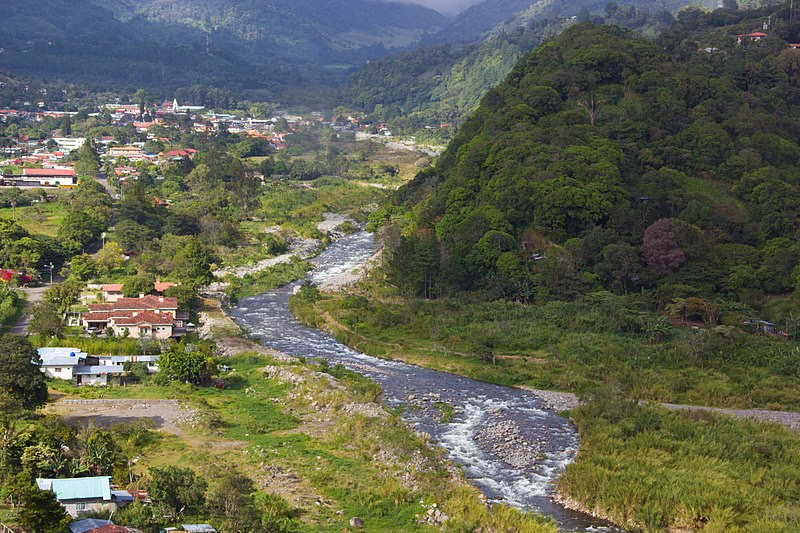
The water quality of the Caldera River is of direct concern to those who live in Boquete and downstream, not only for its environmental value, but also because it is an essential part of the environment in which we live and on which many communities depend. A study conducted by ENVIROLAB Environmental and Occupational Hygiene Laboratory, accredited by the National Accreditation Council (CNA) as accredited testing laboratory No. L-019, confirms the presence of significant fecal contamination in the river.
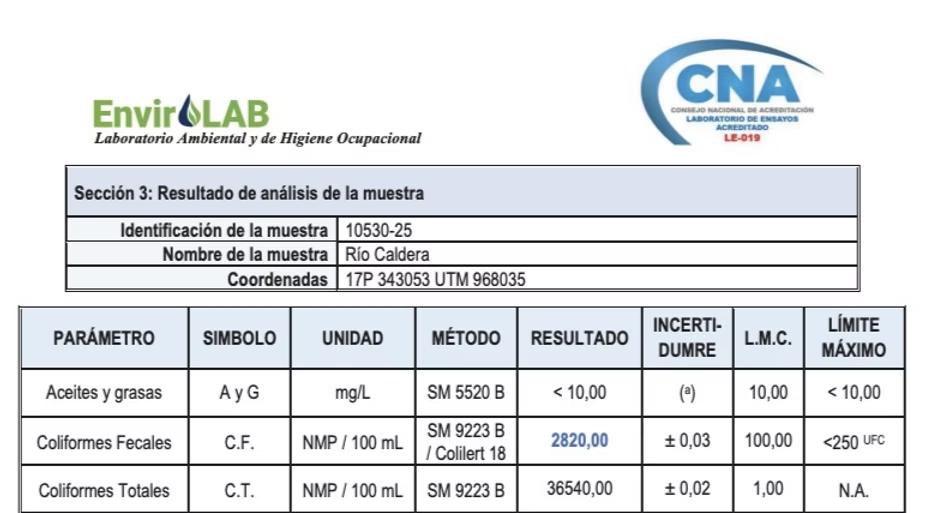
The analysis corresponds to Report No. 2025-CH-017-B663, performed on a sample from the Caldera River and analyzed between November 11 and 17, 2025, using the SM 9223 B Colilert-18 method, an internationally recognized standard method for the detection of fecal coliforms. The result obtained was 2820 MPN/100 ml of fecal coliforms. To understand the magnitude of this value, it’s important to compare it with Panamanian regulations.
Executive Decree No. 75 of June 4, 2008, which establishes the primary standard for recreational use with and without direct contact, sets a maximum limit of 250 MPN/100 ml. The detected value exceeds this limit by more than eleven times, meaning that, at the sampling point, the water does not meet the conditions considered safe, even for recreational use.
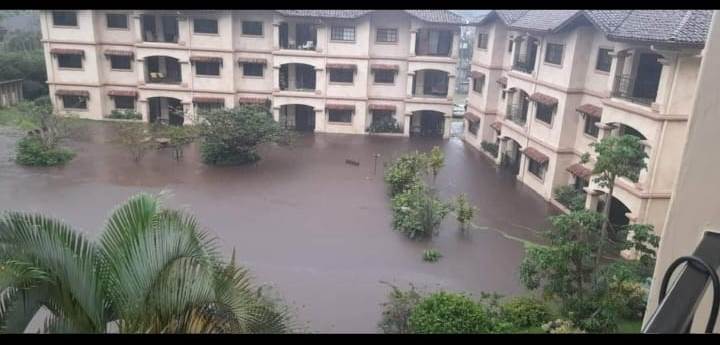
Fecal coliforms are indicator bacteria of contamination by human or animal feces. Their presence confirms that the water has been impacted by fecal contamination and that it may contain other microorganisms capable of causing gastrointestinal illnesses, skin infections, or other health problems. This type of result is not an interpretation or an opinion: it is objective technical evidence that the river is receiving fecal contamination discharges.
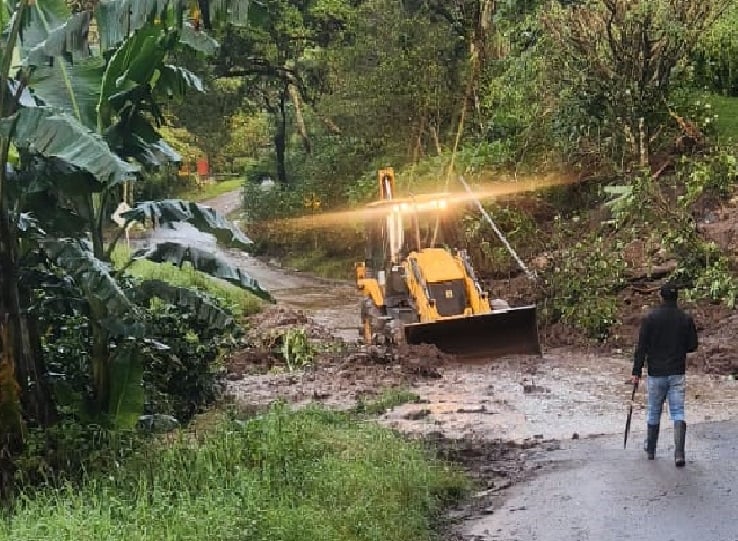
It is important to clarify that rivers are not direct sources of drinking water and that, when their water is used for human consumption, it must undergo purification processes. However, the existence of a water treatment plant does not absolve the authorities of responsibility, nor does it eliminate the obligation of constant monitoring of the source, much less erase the environmental crime being committed against the Caldera River.
The contamination of a water source is a serious problem in itself, regardless of any subsequent treatment. For this reason, we publicly demand that the district’s water utility and the mayor’s office immediately present recent, verifiable, and complete microbiological analysis results of the water reaching our homes, confirming that it is safe for human consumption. This is critical for the health of Boquete residents and visitors. This is not a mere formality. It is about knowing, with certainty, what we are consuming.
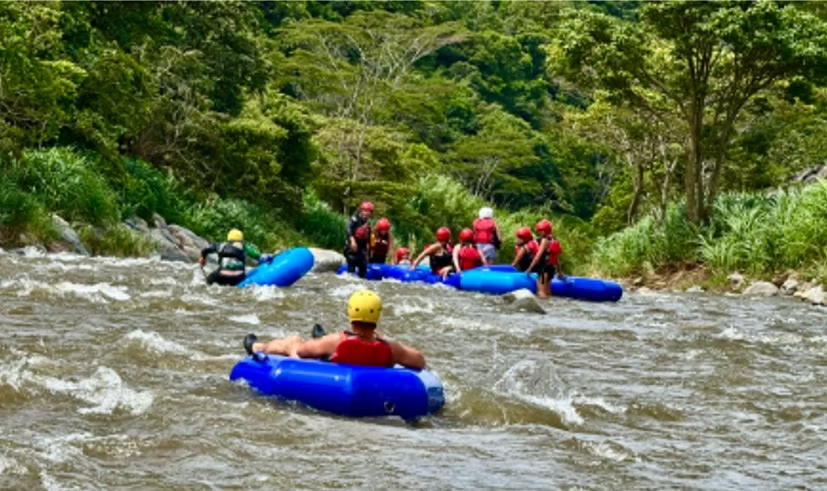
We are tired of repeating, over and over again, that the Caldera River is being polluted. Tired of warning about it. Tired of pointing it out. Tired of seeing how those responsible for protecting this resource look the other way. And this is only what was measured. This test didn’t even analyze for the presence of pesticides. Substances we wouldn’t be surprised to find, considering we’ve received and documented reports of people—both civilians and institutional—applying dangerous agrochemicals near water sources. Poison that inevitably ends up in the river. Poison that inevitably ends up in our environment. We don’t have to look far to see how this story ends when the authorities ignore warnings.
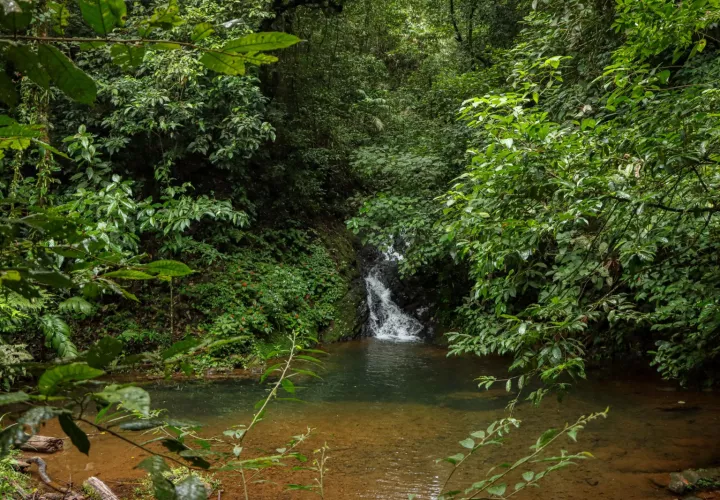
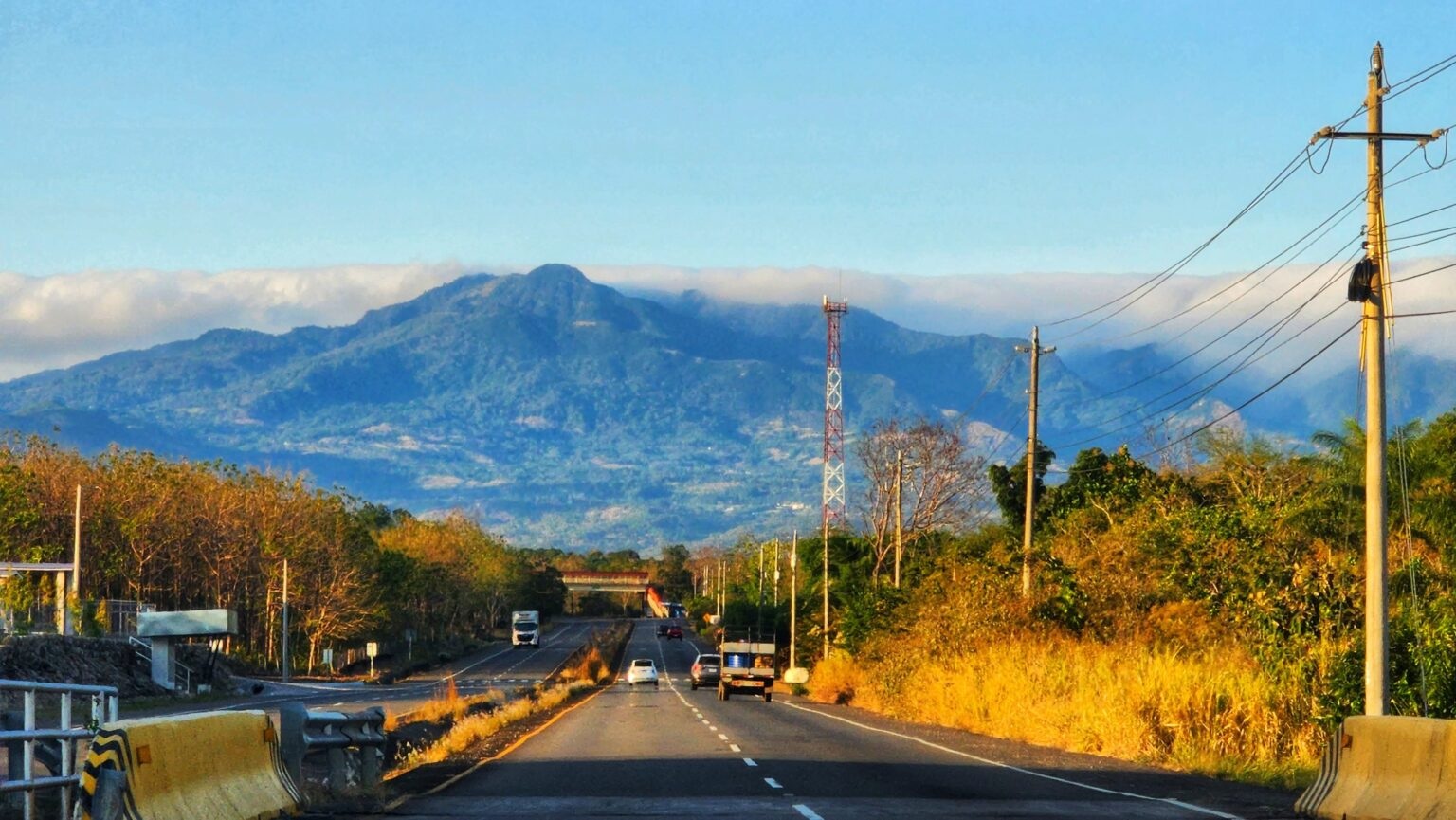
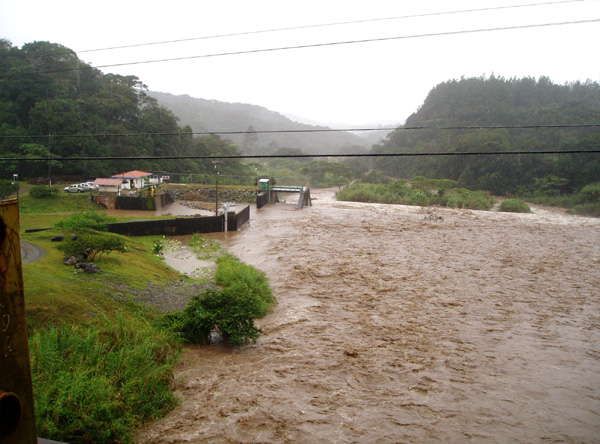
For more than twenty years, residents of the Azuero Peninsula denounced the pollution of the La Villa River pictured above. For more than twenty years, they were ignored, the problem was downplayed, and the damage was allowed to continue. It wasn’t until the pollution became an undeniable public health crisis that the government finally declared a state of emergency in the provinces of Herrera and Los Santos in June 2025, allocating more than $10 million to try to repair a disaster that should never have been allowed to happen. Ten million dollars. Public money. Everyone’s money. To correct decades of institutional neglect. Exactly the same pattern we are seeing today in Boquete. Exactly the same silence. Exactly the same irresponsibility.
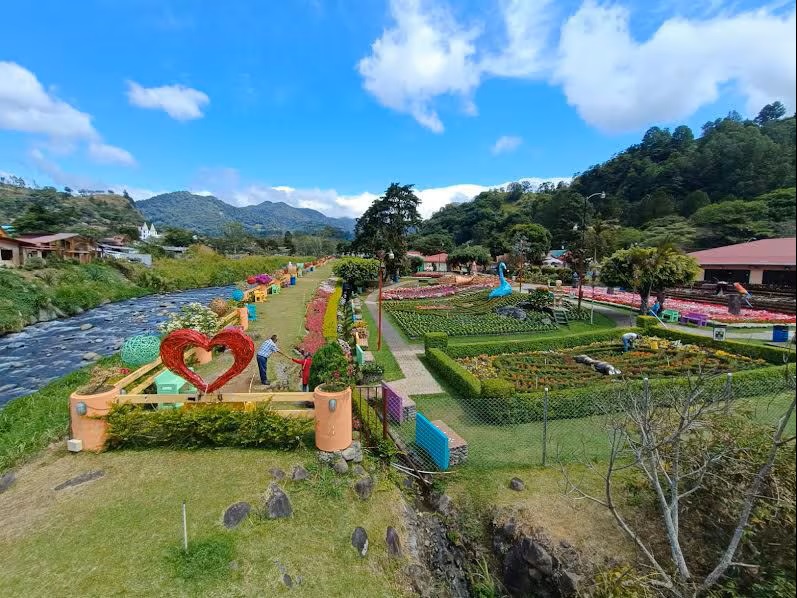
The question is unavoidable: are we going to wait until it becomes a health crisis before we act? The current situation reflects an unacceptable level of negligence on the part of those who should be vigilant. Those who should be monitoring. Those who should be protecting. Those who should be reporting. We cannot accept that this becomes normalized. We cannot accept that it is ignored. We cannot accept that it is minimized. Because the Caldera River is not just water. It’s health. It’s life.
Results of the Analysis Carried Out From November 11 to 17, 2025