The First 72 Hours After a Gainesville Crash Can Shape Everything
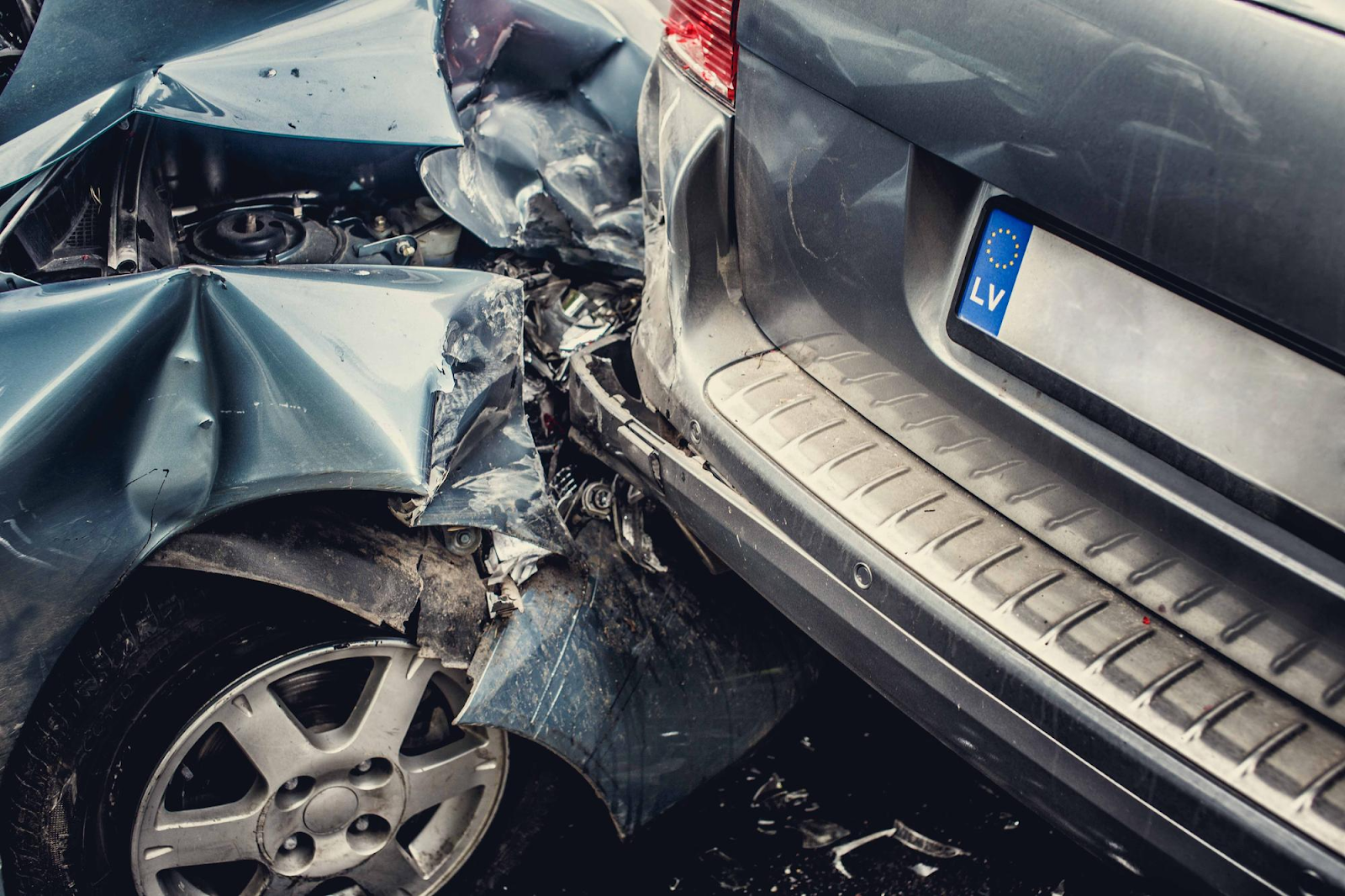
The moment after impact feels weirdly slow
One second you’re cruising down Archer Road, thinking about dinner. Next second, glassy silence. Then the noise. Horns. A stranger yelling, “You okay?” Gainesville traffic has that mix of locals, students, visitors, and delivery vans trying to beat the light. So when a wreck happens, it’s rarely just a clean little fender-bender with polite paperwork.
Here’s the thing people don’t realize until it’s too late: the first 72 hours after a crash often decides how hard the next six months will be. Not just medically. Legally, too. And financially. Because small choices in the foggy aftermath can turn into big problems later. A missed doctor visit. A casual “Sorry about that” at the scene. A delay in getting the report. It adds up.
So what should happen, in real life, not in some perfect training video?
First: safety and medical care. If the cars can move, get out of the travel lanes. Gainesville roads like University Avenue can turn into a secondary accident zone fast. Call 911 if anyone is hurt or if the crash is messy. Then get checked out even if the pain feels “not that bad.” Soft tissue injuries love to show up later, like an unwanted surprise.
Second: information. Photos. Plate numbers. Wide shots of the intersection, skid marks, road signs, weather, debris. Close-ups too. Get witness names if they’re willing. People vanish quickly once the adrenaline wears off. It’s almost comical. “Yeah, I saw everything.” Then they’re gone before anyone writes a number down.
Third: keep the story clean. Tell the police what happened, stick to facts, and don’t argue at the scene. Not because politeness is the goal, but because the scene is chaos and chaos makes people say dumb stuff.
The paperwork part nobody wants to talk about
Now comes the part most people dread. Calls from insurers. Questions that sound friendly but feel… pointed. “So, how fast were you going?” “You didn’t see them?” “You’re not going to the hospital, right?”
Those questions are not random. They’re building a narrative.
Florida has a no-fault setup for many crashes, which means your own policy may come into play early, especially with medical treatment. That catches people off guard. They assume the other driver automatically pays. Sometimes it’s not that simple, and that confusion leads to delays. Delays lead to gaps. Gaps get used against you.
This is where it helps to understand the basic flow:
- Medical evaluation creates the first record of injury.
- The crash report and evidence shape fault arguments.
- Insurance adjusters look for reasons to reduce payouts.
- Deadlines quietly run in the background.
And Gainesville has its own local wrinkles. Busy student seasons. Weekend traffic spikes near Butler Plaza. The I-75 ramps that feel like a personality test. A crash context matters, because it affects speed patterns, visibility, and who was likely being careless.
Some people want guidance right away from someone who does this daily, not a friend’s cousin who “once handled a claim.” That’s when they should contact a car accident lawyer in Gainesville, especially for understanding how evidence and timelines usually work in this area.
Also useful, in a practical sense: a plain-language breakdown of protecting rights after a wreck can help keep the steps straight. Something like this guide on protecting legal rights after a crash lays out the mindset that prevents common mistakes.
Mistakes that feel harmless but hit later
A few classic ones show up again and again:
Waiting too long to get checked out.
Pain doesn’t always arrive on schedule. Neck and back injuries can take a day or two. That doesn’t mean they’re fake. It means the body is complicated.
Giving a recorded statement too quickly.
It sounds simple: “Just tell us what happened.” But if you don’t yet know you’re hurt, or you’re still confused about the sequence, you can accidentally lock in details that don’t match later evidence.
Throwing away receipts and records.
Tows, rentals, prescriptions, mileage to appointments, even out-of-pocket braces or supports. People underestimate how much “small” spending happens after a crash.
Posting online.
Even a casual photo at a coffee shop can be twisted into “They’re fine.” Is that fair? Not really. Does it happen? Yep.
What a strong recovery path usually looks like
A clean recovery path is boring. And boring is good here.
You keep a simple folder, digital or paper, with:
- crash report info
- photos and witness notes
- medical summaries and bills
- missed work documentation
- repair estimates and rental paperwork
You follow medical advice. You show up to appointments. If something feels off, you say it out loud and get it documented. Then, when the time comes to discuss the financial side, you’re not guessing. You have proof.
And emotionally? Don’t ignore that part. After a wreck, people can get jumpy driving past the intersection where it happened. They stop sleeping well. They feel irritable for no clear reason. That matters too, even if it’s hard to explain.
The goal is not to “win a case.” The goal is to rebuild life without getting pushed around by paperwork, pressure, or confusion. That’s the real game.