
Crypto vs Bitcoin: What’s the difference?
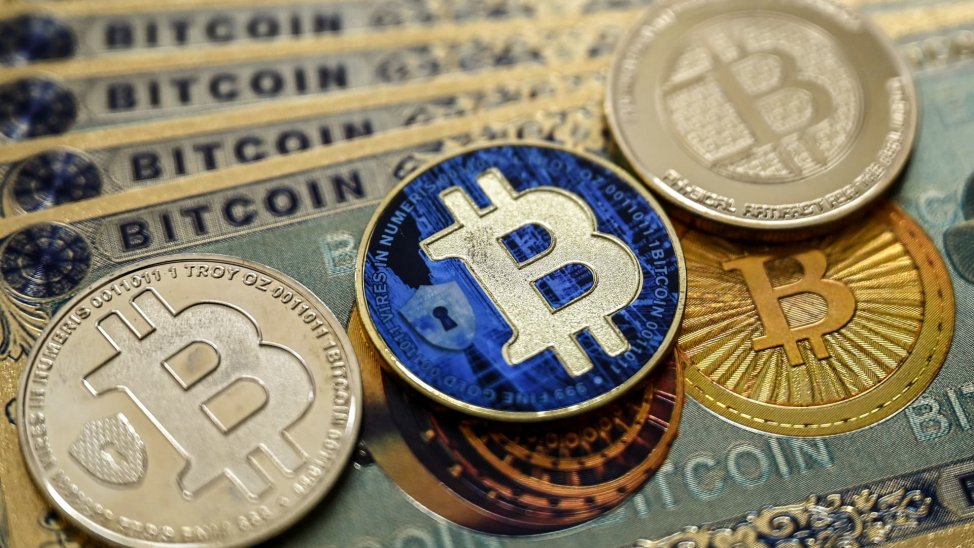
Guest Contribution – You’ve probably heard people toss around the words “crypto” and “bitcoin” like they mean the same thing. Newsflash: they don’t. The good news is you don’t need a finance degree to learn the basics—once you know how the market-leading coin fits into the bigger picture, you’ll make smarter choices with your investments.
Bitcoin vs crypto
Think of crypto as the entire universe of digital currencies. Bitcoin is just one planet in that universe—albeit the biggest and brightest. There are thousands of coins and tokens, each with its own purpose.
Some aim to replace traditional money, others power decentralized apps, and a few are purely speculative. Bitcoin stands out because it was the first cryptocurrency and remains the most widely recognized and trusted. So, one is the category, and one is the coin that started it all.
How Bitcoin works compared to other cryptocurrencies
Bitcoin runs on a decentralized network called blockchain. Every transaction gets recorded on a public ledger that anyone can verify. No banks, no middlemen—just math and code keeping the system honest.
Other cryptocurrencies use similar technology but often tweak the rules. For example, Ethereum adds smart contracts, which let you automate agreements without lawyers. Some coins focus on speed, others on privacy, and so on.
Regulation, tax, and consumer protection
In the U.S., the IRS treats crypto as property, not cash. That means every time you sell, trade, or even use crypto to buy coffee, you trigger a taxable event. It’s important, then, to keep detailed records of your transactions—dates, amounts, and values in dollars.
Regulation is tightening, too, with governments increasingly cracking down on scams. Before you invest, check if the platform complies with Know Your Customer (KYC) rules, designed to protect you from fraud and keep your funds safer.
Which should you start with?
If you’re new to the market, it makes sense to start with Bitcoin. It’s the most established digital currency, easiest to buy, and widely accepted. You can purchase it through an exchange or at a crypto ATM near you without diving into complex ecosystems.
Once you’re comfortable, explore other coins with careful research and planning. Read whitepapers and try to avoid chasing hype. A good rule is to never invest more than you can afford to lose. Keep in mind, too, that crypto remains a high risk asset class, so any decision you make needs to match your risk tolerance and investment timeline.
Understanding the gap between one major coin and the broader market helps you make choices that fit your goals. Bitcoin gives you stability and recognition, while other cryptocurrencies offer innovation and risk. The smart move is to approach this space with discipline, treating every transaction as an investment in knowledge as much as in currency.
________________________________________________________________________________________________________________
Advertisements placed in our Guest Contribution sections are in no way intended as endorsements of the advertised products, services, or related advertiser claims by NewsroomPanama.com, the website’s owners, affiliated societies, or the editors. Read more here.