Tocumen and the Convergence of Mobility Power: Panama’s Hidden Chokepoint
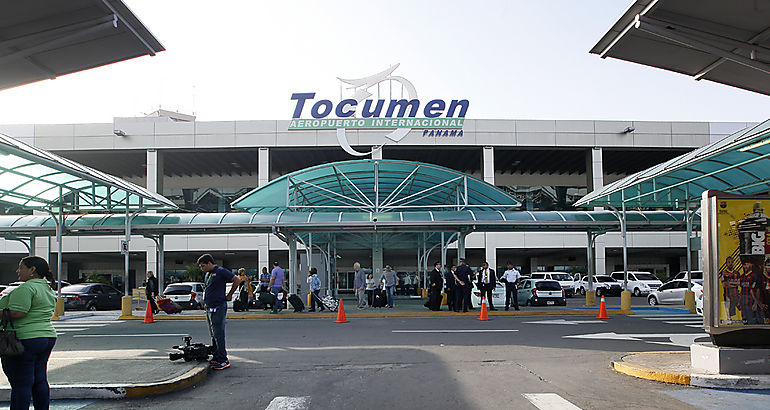
The most consequential infrastructure decisions in Panama today are often not made at the locks of the canal, but in conference rooms where aviation security software, cargo-routing platforms, and port-scheduling systems converge. Sustained observation of Panama’s logistics and regulatory environment — reinforced by long-standing professional relationships within its institutions — points to a shift in how influence is accumulating. Panama’s strategic relevance is no longer confined to maritime geography. It is increasingly rooted in the integration of air, sea, and data systems, with Tocumen International Airport emerging as the keystone of that convergence — a shift unfolding neither overnight nor generationally, but across the next five to ten years of infrastructure modernization cycles.

For the United States, the immediate priority is visibility before hardware. Establishing a hemispheric digital common operating picture that synchronizes currently fragmented interagency data and audits existing service agreements and maintenance ecosystems at Tocumen to identify proprietary “black-box” dependencies in passenger and cargo flows. This is an undertaking measured more in interagency coordination than new capital outlays. External analysis frequently centers on port ownership, canal tolls, or shipping premiums. Inside Panama, however, the more consequential debates increasingly revolve around interoperability: how passenger data, cargo manifests, and maritime schedules now intersect in shared digital architectures. What appears to be modernization is, in practice, a restructuring of how mobility and information flow across the hemisphere.