How the US Influenced Conflicts in 1980s Latin America (Regan Nicaragua Noriega)
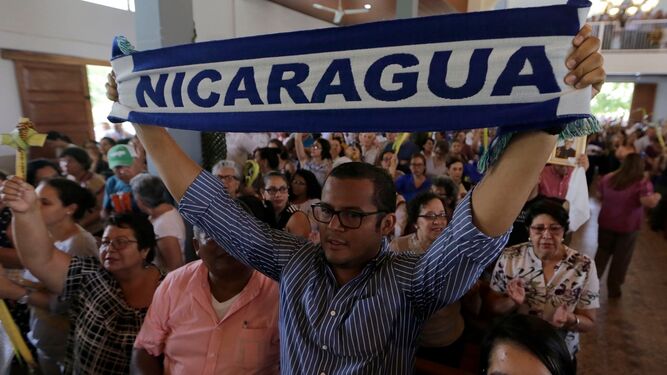
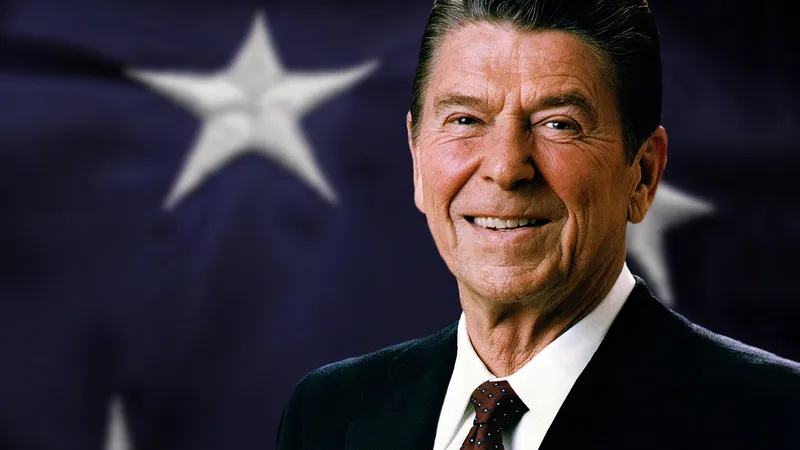
Wars begins with Nicaragua’s Sandinista revolution, which promised egalitarian transformation through literacy crusades. But civil war erupted as United States President Ronald Reagan’s administration covertly backed the Contra rebels, plunging the nation into turmoil and suffering. Panama transitioned from Omar Torrijos’s diplomatic triumphs over the Panama Canal to Manuel Noriega’s sinister collaboration with both the CIA and drug cartels.
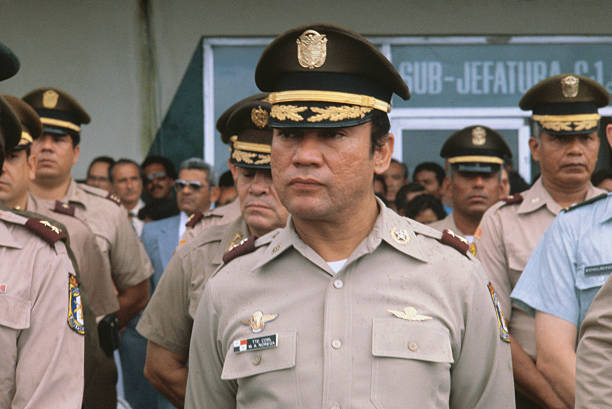
The murder of Hugo Spadafora sparked his brother’s campaign to focus US public and political attention on Panama, ultimately leading to a US military invasion and Manuel Noriega’s downfall. In Chile, the opposition achieved a dramatic popular victory, ending Augusto Pinochet’s rule and igniting hope for democracy despite continued US influence. Meanwhile, Venezuela’s oil-rich democracy flirted with collapse under President Carlos Andres Perez amid debt crises, curfews and riots that paved the way for Hugo Chavez’s rise and a new wave of regional upheaval.