What to Expect When Getting Dental Implants in Sugar Land Texas
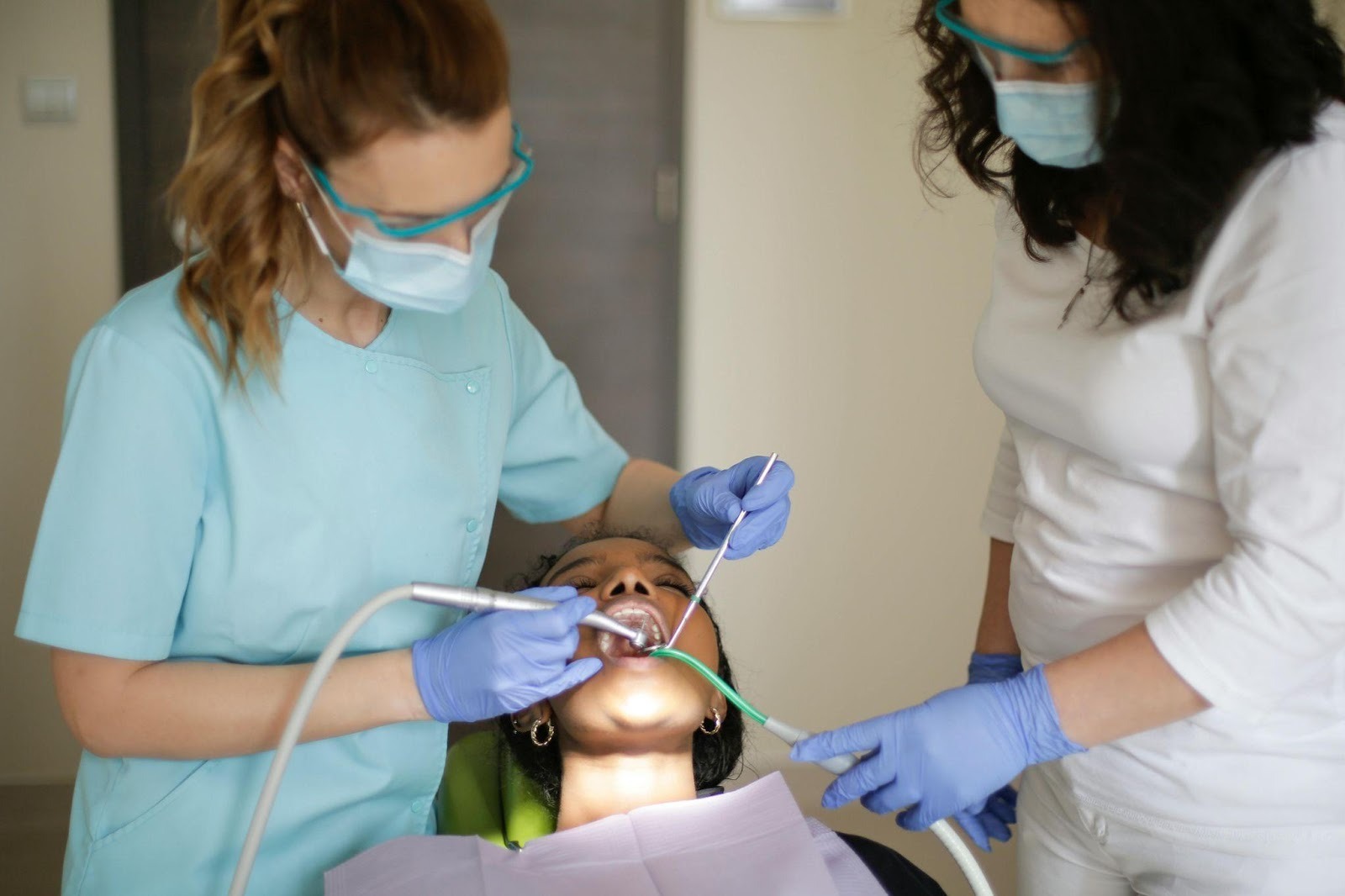
If you’re considering dental implants in Sugar Land, Texas, it helps to know what the process involves from start to finish. You’ll begin with a thorough dental exam and personalized treatment plan tailored to your needs. The procedure itself includes careful placement of titanium posts and a healing period before your permanent crown goes in. Understanding these steps can prepare you for what comes next and guarantee the best outcome.
Initial Consultation and Evaluation
Before you proceed with dental implants in Sugar Land, Texas, the initial consultation and evaluation are essential steps to confirm your treatment is tailored to your needs. During this appointment, your dentist will conduct a detailed implant candidacy evaluation to determine if advanced dental implants in Sugar Land are the right option for you. This process includes a preliminary health assessment where your medical history is reviewed to identify any conditions that may affect healing or implant success. You’ll also discuss your expectations and any concerns, allowing your dentist to customize the treatment plan accordingly. The evaluation confirms that factors such as bone density, gum health, and overall oral condition are suitable for implants. This step is critical in preventing complications and achieving ideal results. By completing a thorough implant candidacy evaluation and preliminary health assessment, you’re setting the foundation for a safe and effective dental implant procedure tailored specifically to your oral health needs.
Comprehensive Dental Examination
Before proceeding with dental implants, you’ll undergo a thorough dental examination that includes an initial oral health assessment to evaluate your gums, teeth, and bone structure. Advanced imaging and diagnostic tests, such as X-rays or 3D scans, will provide detailed insights into your oral condition. This extensive evaluation guarantees a tailored treatment plan that meets your specific needs.
Initial Oral Health Assessment
Although getting dental implants may seem straightforward, the process begins with a thorough initial oral health assessment. This critical step evaluates your oral hygiene and gum health to guarantee your mouth is ready for implant placement. Your dentist will carefully examine your teeth, gums, and surrounding tissues to identify any issues like gum disease or infections that could compromise implant success. Maintaining excellent oral hygiene is essential, as untreated gum problems can lead to implant failure. This assessment also helps your dental team develop a personalized treatment plan tailored to your specific needs. By addressing any oral health concerns early, you increase the likelihood of a smooth implant procedure and long-lasting results. This foundational evaluation sets the stage for a successful dental implant experience in Sugar Land, Texas.
Imaging and Diagnostic Tests
Once your oral health is thoroughly assessed, the next step involves detailed imaging and diagnostic tests to guide your dental implant treatment. Your dentist will use X ray imaging to capture clear views of your jawbone and surrounding structures. Additionally, CT scans provide three-dimensional images, allowing for precise measurement of bone density and identification of essential anatomical features. These diagnostic evaluations are critical for accurate treatment planning, ensuring your implants are positioned securely and safely. By combining these imaging techniques, your dental team can create a customized approach tailored to your unique anatomy. This thorough examination helps minimize risks and maximizes the success of your dental implants, giving you confidence in the procedure and the long-term results you can expect.
Customized Treatment Planning
When planning your dental implants, your dentist will conduct a personalized assessment to understand your unique needs. This helps determine the best implant placement strategy for ideal function and aesthetics. You’ll also explore tailored restoration options that fit your lifestyle and goals.
Personalized Assessment Process
Because every patient’s dental needs are unique, your personalized assessment is the foundation for effective treatment planning. During this process, your dental specialist will take a personalized approach, carefully evaluating your oral health, bone density, and overall medical history. This guarantees that your individual needs are thoroughly understood before proceeding. Extensive imaging and diagnostic tools help pinpoint areas requiring attention, allowing your provider to tailor the plan specifically for you. By focusing on your unique situation, the assessment helps create a customized treatment roadmap that maximizes success and comfort. This personalized assessment process is essential for identifying potential challenges early, making sure that your dental implant journey in Sugar Land, Texas, starts with precision and confidence.
Implant Placement Strategy
Although your personalized assessment provides a thorough understanding of your oral health, the implant placement strategy focuses on mapping out the exact positioning of each implant to assure optimal function and aesthetics. Your dentist will carefully evaluate bone density and surrounding structures to determine best implant site selection. This precision guarantees stability and long-term success. Additionally, the chosen surgical technique is tailored to minimize trauma and promote efficient healing. Using advanced imaging and planning tools, your provider can visualize the implant’s placement in three dimensions, enhancing accuracy. By customizing the approach to your unique anatomy, the implant placement strategy maximizes both comfort during surgery and the durability of your dental implants, setting a solid foundation for restoring your smile effectively.
Tailored Restoration Options
Since every smile is unique, your restoration options should be customized to fit your specific needs and preferences. When getting dental implants in Sugar Land, Texas, your dentist will carefully evaluate factors like your bite, jaw structure, and aesthetic goals to select the appropriate restoration materials. Customized crowns are designed to match the color, shape, and size of your natural teeth, ensuring a seamless and comfortable fit. Various restoration materials, such as porcelain or zirconia, offer different levels of durability and appearance, so your dentist will recommend the best choice based on your lifestyle and oral health. This tailored approach not only enhances the function and look of your implant but also contributes to its long-term success and your overall satisfaction.
Preparing for the Implant Surgery
Before your implant surgery, it’s vital to follow your dentist’s instructions carefully to secure the best possible outcome. Proper preparation helps reduce risks and guarantees a smoother recovery. A solid pre-surgery checklist includes essential steps you should take to be ready physically and mentally.
Here’s what you need to focus on:
- Confirm any required medical tests or imaging as advised by your dentist.
- Arrange transportation to and from the appointment, as you might feel groggy post-procedure.
- Avoid eating or drinking as instructed, typically 6-8 hours before surgery.
- Engage in mental preparation by understanding the process and setting realistic expectations to alleviate anxiety.
The Dental Implant Procedure Explained
When you arrive for your dental implant procedure, the dentist will first verify that your mouth is properly prepared and numb to minimize discomfort. The procedure begins with a small incision in the gum to expose the bone where the implant will be placed. Depending on the implant types recommended, a titanium post is then carefully inserted into the jawbone to serve as an artificial tooth root. Throughout the process, the dentist guarantees proper alignment and depth for ideal stability.
While dental implant surgery is generally safe, it’s important to understand potential surgery risks such as infection, nerve damage, or implant failure. Your dentist will take necessary precautions to minimize these risks and will discuss any concerns you might have. After the implant is secured, the gum tissue is stitched closed to promote healing. This procedure sets the foundation for a durable, natural-feeling tooth replacement tailored to your specific needs.
Healing and Osseointegration Process
After your implant is placed, the initial healing phase typically lasts a few weeks as your body begins to recover. During this time, osseointegration occurs, where the bone gradually fuses with the implant in several stages. Understanding factors that influence this process can help guarantee successful long-term stability of your dental implant.
Initial Healing Timeline
Although the initial healing phase varies among patients, you can generally expect the process to begin immediately following your dental implant surgery. Understanding the healing stages helps you manage expectations and follow essential recovery tips. Typically, your initial healing timeline includes:
- First 24-48 hours: Swelling and minor bleeding; rest and ice packs are vital.
- 3-7 days: Discomfort lessens; maintain oral hygiene with gentle rinsing.
- 1-2 weeks: Soft tissue begins to close and heal around the implant site.
- Up to 4 weeks: Initial tissue healing completes; avoid strenuous activity and adhere to dietary recommendations.
Following these stages closely guarantees effective healing and prepares you for the next phase of implant integration. Always consult your dentist for personalized recovery guidance.
Bone Integration Stages
Since successful dental implant treatment depends heavily on the stability of the implant, understanding the bone integration stages is essential. After your implant is placed, bone healing begins as your jawbone cells grow around and bond to the implant surface—a process called osseointegration. This biological fusion provides the foundation needed for long-term implant success. The integration timeline typically spans several weeks to months, during which your bone remodels and strengthens around the implant. Your dentist will monitor this phase closely to guarantee proper healing and stability before proceeding with the final restoration. Knowing the bone integration stages helps you appreciate the importance of allowing adequate time for your implant to securely anchor, assuring durability and function once your dental implant is fully restored.
Factors Affecting Osseointegration
While the osseointegration process is critical for implant success, several factors can influence how well and how quickly your bone heals around the implant. Understanding these can help you optimize healing and improve implant stability.
- Bone Quality: Denser, healthier bone promotes stronger integration and quicker healing.
- Implant Stability: Immediate stability after placement supports successful osseointegration.
- Systemic Health: Conditions like diabetes or osteoporosis can slow bone healing.
- Smoking Effects and Dental Hygiene: Smoking impairs blood flow, hindering healing, while poor dental hygiene increases infection risk, both compromising implant success.
Temporary Restoration Options
Before your permanent dental implant is placed, you’ll often need a temporary restoration to protect the site and maintain your smile’s appearance. Temporary crown options provide a reliable solution for single-tooth implants, fitting securely over the implant site to shield it while allowing you to eat and speak comfortably. These crowns are typically made from acrylic or composite materials, offering a natural look during the healing phase.
If you’re replacing multiple teeth, interim dentures might be recommended. These removable appliances help maintain aesthetics and function as you heal, preserving your bite and preventing nearby teeth from shifting. Interim dentures are custom-made to fit comfortably and can be adjusted as needed during your recovery.
Your dental professional will guide you in choosing the best temporary restoration based on your specific situation, ensuring your comfort and the implant’s success without compromising your daily activities. Temporary restorations are essential for protecting the implant site and supporting ideal healing.
Placement of the Permanent Crown
Once your implant site has fully healed and the temporary restoration has served its purpose, you’ll be ready for the placement of the permanent crown. This step is essential as it completes the implant process, restoring both function and appearance. During crown fitting, your dentist carefully verifies the crown aligns perfectly with your bite and neighboring teeth. Aesthetic considerations are equally important to achieve a natural look that blends seamlessly with your smile.
Here’s what to expect during this phase:
- Your dentist removes the temporary restoration.
- An impression or digital scan is taken to customize the crown.
- The permanent crown is trial-fitted to verify fit, bite, and color.
- Once everything meets precise standards, the crown is securely attached to the implant abutment.
This meticulous process guarantees a durable, visually pleasing restoration tailored to your individual needs.
Post-Procedure Care and Maintenance
Although the permanent crown completes your dental implant, proper post-procedure care and maintenance are essential to guarantee its longevity and your overall oral health. Following your dentist’s post operative instructions closely will help minimize complications such as infection or implant failure. You should avoid chewing hard foods immediately after the procedure and refrain from smoking or excessive alcohol consumption, as these can impede healing.
Maintaining excellent oral hygiene is vital. Brush gently around the implant site twice daily and floss carefully to prevent plaque buildup. Using an antimicrobial mouthwash can further reduce bacteria and support gum health. Regular dental check-ups allow your dentist to monitor the implant’s condition and address any concerns early.
Long-Term Benefits and Expectations
When you choose dental implants, you’ll benefit from a long-lasting solution that closely mimics natural teeth in function and appearance. Their long term durability guarantees that, with proper care, implants can last decades, making them a cost-effective investment. You’ll enjoy enhanced functionality, allowing you to eat, speak, and smile confidently without worrying about slippage or discomfort.
Here’s what you can expect long-term with dental implants:
- Stable bone preservation, reducing jawbone deterioration.
- Consistent bite strength, improving chewing efficiency.
- Minimal maintenance beyond regular oral hygiene.
- Natural aesthetics that blend seamlessly with your existing teeth.
Understanding these benefits helps set realistic expectations and highlights why implants are considered the gold standard in tooth replacement. By choosing implants in Sugar Land, Texas, you’re opting for a solution designed to last and perform like your natural teeth, supporting your oral health and quality of life for years to come.
Frequently Asked Questions
Are Dental Implants Covered by Insurance in Sugar Land, Texas?
Dental implants often have limited insurance coverage, but the implant benefits usually outweigh costs due to durability and function. You should check your specific policy and consult your Sugar Land provider for detailed insurance coverage information.
Can I Get Dental Implants if I Have Diabetes?
You can get dental implants with diabetes, but good diabetes management is essential. Proper control improves implant success by reducing infection risk and promoting healing. Consult your dentist and healthcare provider to guarantee ideal outcomes.
What Materials Are Used for Dental Implants?
Dental implant materials primarily include titanium and zirconia. Titanium advantages are its strength, biocompatibility, and ability to fuse with bone, ensuring durability and stability for your dental implants. Zirconia offers a metal-free alternative with aesthetic benefits.
How Much Do Dental Implants Typically Cost in Sugar Land?
You can expect dental implant costs in Sugar Land to vary widely due to cost factors like materials and procedures. Many clinics offer financing options, so you don’t have to pay everything upfront, making treatment more accessible.
Are There Any Dietary Restrictions After Getting Implants?
Yes, you’ll need to stick to soft foods during the initial healing process to avoid irritation or damage. Gradually reintroduce firmer foods as your implant site heals, following your dentist’s specific recommendations.