Early Signs of Gum Disease and Treatment Options in Fort Lauderdale
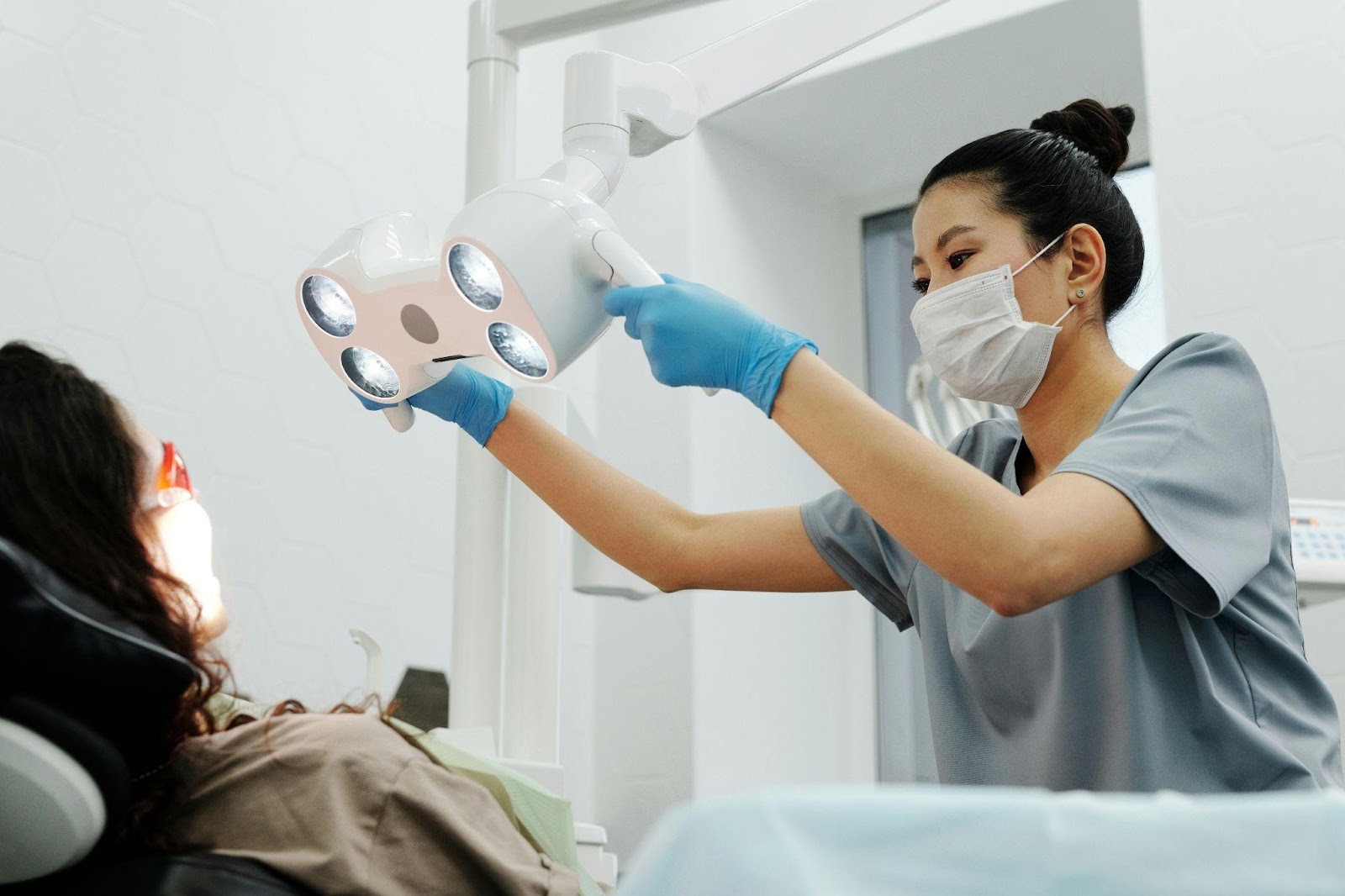
If you notice your gums feel tender or bleed when you brush, these could be early signs of gum disease—an issue that demands prompt attention. In Fort Lauderdale, understanding the specific causes and effective treatment options is essential to prevent progression. With various therapies available, from professional cleanings to advanced laser treatments, knowing when and how to act can make a significant difference in preserving your oral health. What should you watch for next?
Understanding Gum Disease: What You Need to Know
Although gum disease might seem straightforward, understanding its mechanisms is vital for effective prevention and treatment. Gum disease, or periodontal disease, is an inflammatory condition caused primarily by bacterial plaque accumulation along the gumline. If left unchecked, it progresses from gingivitis to more severe periodontitis, leading to tissue destruction and potential tooth loss. You need to recognize that the pathogenic biofilm triggers an immune response, causing inflammation and degradation of connective tissue and bone.
Implementing targeted prevention strategies is essential. These include meticulous oral hygiene practices such as brushing twice daily with fluoride toothpaste, interdental cleaning using floss or interdental brushes, and regular professional dental cleanings to disrupt plaque biofilm. Additionally, controlling systemic factors like smoking and diabetes greatly enhances prevention efforts. By understanding the pathophysiology of gum disease and adhering to evidence-based prevention strategies, you can effectively reduce your risk and maintain periodontal health over time.
Common Early Symptoms of Gum Disease
Recognizing the early signs of gum disease allows you to address the condition before it advances to more destructive stages. One of the primary indicators is gum tenderness—your gums may feel sore or sensitive, especially during brushing or flossing. This tenderness reflects underlying inflammation caused by bacterial plaque accumulation. Another common symptom is persistent bad breath that doesn’t resolve with regular oral hygiene; this results from bacterial toxins irritating gum tissue. You might also notice slight gum swelling or redness, indicating early inflammation. Additionally, gums may bleed easily when you brush or floss, which is a clear signal of compromised gum health. Early detection of these symptoms is vital, as untreated gum disease can progress to periodontitis, leading to tissue and bone loss. If you observe any of these signs, it’s imperative to seek professional gum infection treatment promptly to initiate appropriate care and prevent further complications.
Causes and Risk Factors in Fort Lauderdale Residents
When you live in Fort Lauderdale, specific environmental and lifestyle factors can increase your risk of developing gum disease. Poor oral hygiene remains the primary cause, allowing plaque buildup that triggers inflammation. Smoking effects compound this risk by impairing gum tissue healing and immune response. The diabetes connection is significant, as elevated blood sugar levels exacerbate gum inflammation and infection susceptibility. Genetic predisposition also plays an important role, meaning you may inherit a higher vulnerability despite maintaining good oral care.
Nutritional deficiencies, particularly in vitamins C and D, weaken gum tissue resilience, while stress factors can suppress immune function, worsening gum health. Environmental influences, such as local air quality and water mineral content, may subtly affect gum disease progression. Finally, limited local healthcare access in some Fort Lauderdale areas can delay diagnosis and treatment, increasing disease severity. Understanding these causes and risk factors is essential for proactive gum disease prevention and management.
How to Perform a Self-Check for Gum Health
Understanding the factors that contribute to gum disease in Fort Lauderdale helps emphasize the importance of regular monitoring of your gum health. Performing a self gum check is a practical component of maintaining peak oral hygiene. Begin by examining your gums in a well-lit mirror. Look for redness, swelling, or recession along the gum line—early indicators of inflammation or periodontal issues. Gently press your gums with a clean finger or soft toothbrush to detect tenderness or bleeding, which may signal gingivitis. Pay close attention to any persistent bad breath or changes in gum texture. Additionally, assess the fit of your teeth; shifting or loosening can be a warning sign. This self-assessment should be systematic and consistent, ideally conducted weekly. While a self gum check cannot replace professional evaluation, it can alert you to early abnormalities, enabling prompt intervention and improved oral hygiene practices to mitigate progression of gum disease.
Importance of Regular Dental Checkups in Gum Disease Prevention
Although regular self-checks are essential, they can’t replace professional dental examinations, which are critical for early detection and prevention of gum disease. When you schedule routine dental checkups, your dentist assesses your oral hygiene status with precision, identifying subtle signs that you might miss. These appointments are a cornerstone of preventive care, allowing for timely intervention before gum disease progresses to advanced stages. During each visit, your dental professional evaluates gum tissue health, measures pocket depths, and detects inflammation or bleeding that signal early disease. By maintaining consistent checkups, you reduce the risk of irreversible damage, tooth loss, and costly treatments. Additionally, your dentist provides personalized guidance on improving your oral hygiene practices, tailored to your unique needs. In Fort Lauderdale, regular dental visits are your most reliable method to safeguard gum health, ensuring early diagnosis and effective management of potential issues before they escalate. Don’t underestimate the value of professional preventive care in preserving your smile.
Professional Diagnostic Procedures Available in Fort Lauderdale
When you visit a Fort Lauderdale specialist, you’ll undergo thorough oral examinations that assess gum health meticulously. Advanced imaging techniques, such as digital X-rays and 3D scans, provide detailed views of bone structure and periodontal pockets. Additionally, precise periodontal probing methods measure pocket depths to identify disease severity and guide treatment planning.
Comprehensive Oral Examinations
Because early detection is essential in managing gum disease, thorough oral examinations play an important role in Fort Lauderdale’s professional dental practices. During these exams, your dentist will meticulously assess the health of your gums, checking for inflammation, pocket depth, and bleeding on probing. This precise evaluation helps identify early periodontal changes before symptoms appear. Additionally, your oral hygiene habits and overall dental care routine are reviewed to tailor preventive and therapeutic strategies. Extensive oral examinations include visual inspections and periodontal charting, providing a detailed overview of your gum and tooth condition. By undergoing these systematic assessments regularly, you enable timely intervention, preserving your oral health and preventing the progression of gum disease. Regular dental visits are critical components of effective gum disease management.
Advanced Imaging Techniques
Building on the findings from thorough oral examinations, advanced imaging techniques provide detailed visualization of your gum and bone structures that aren’t visible during routine check-ups. In Fort Lauderdale, technologies such as digital radiography and cone beam computed tomography (CBCT) are employed to enhance diagnostic accuracy. These modalities deliver high-resolution, three-dimensional images, allowing your periodontist to detect early bone loss, abscesses, or other pathological changes with precision. The use of advanced imaging minimizes diagnostic uncertainty, facilitating tailored treatment plans that address your specific condition. By incorporating these professional diagnostic procedures, your clinician can monitor disease progression or treatment efficacy effectively. Ultimately, advanced imaging plays a critical role in early detection and management of gum disease, ensuring ideal oral health outcomes for you.
Periodontal Probing Methods
Although advanced imaging provides invaluable insights, periodontal probing remains a fundamental diagnostic procedure that directly measures the health of your gum tissues. Periodontal probing involves using a calibrated probe to assess pocket depths around each tooth, detecting early signs of gum disease such as inflammation and attachment loss. In Fort Lauderdale, dental professionals employ precise probing techniques, including the use of manual or electronic probes, to map pocket depths accurately. These measurements help identify periodontal pockets greater than 3 millimeters, indicating potential disease progression. When you undergo periodontal probing, your clinician evaluates bleeding on probing and tissue recession, providing a thorough assessment. This method remains critical because it offers real-time, tactile feedback on your gum condition, enabling early intervention and tailored treatment plans to preserve your oral health effectively.
Non-Surgical Treatment Options for Early Gum Disease
When gum disease is detected early, you can often avoid invasive procedures by opting for non-surgical treatments that target plaque and inflammation directly. The primary approach involves professional dental cleanings, including scaling and root planing, which remove bacterial biofilm and calculus below the gumline. These procedures help reduce pocket depth and promote tissue reattachment. Alongside clinical treatments, incorporating natural remedies such as antimicrobial mouth rinses containing essential oils can support plaque control. Dietary adjustments are also essential; reducing sugar intake and increasing anti-inflammatory foods like leafy greens and omega-3 fatty acids can enhance your immune response and gum health. Consistent oral hygiene, including meticulous brushing and flossing, complements these measures. Early intervention with these non-surgical strategies can effectively halt disease progression, minimizing the need for complex therapies. Regular monitoring by your dental professional guarantees treatment efficacy and timely adjustments tailored to your specific periodontal condition.
Advanced Therapies and Surgical Treatments in Severe Cases
When gum disease progresses to severe stages, you’ll likely need advanced treatments like laser gum therapy, which targets infected tissue with precision while minimizing damage. Flap surgery is another option that allows for deep cleaning of tooth roots and reattachment of gum tissue. Understanding these procedures can help you make informed decisions for effective disease management.
Laser Gum Therapy
Since traditional treatments may not always fully address severe gum disease, laser gum therapy offers a precise and minimally invasive alternative. This advanced technique uses focused light energy to target and eliminate infected tissue and bacteria without damaging surrounding healthy areas. You’ll benefit from reduced bleeding, less discomfort, and faster healing compared to conventional methods. Clinical studies highlight laser therapy effectiveness in reducing pocket depths and promoting tissue regeneration, contributing to improved gum health benefits. Additionally, the procedure minimizes the need for sutures and decreases the risk of infection. If you’re dealing with advanced periodontal issues, laser gum therapy can be a highly efficient option to restore your gum’s integrity while preserving as much natural tissue as possible.
Flap Surgery Benefits
Although less invasive treatments can manage early gum disease, flap surgery becomes vital for advanced cases where deep pockets and extensive tissue damage persist. This procedure involves lifting the gum tissue to expose the roots and underlying bone, allowing thorough cleaning and removal of bacterial deposits inaccessible through non-surgical methods. By reducing pocket depth, flap surgery halts disease progression and fosters reattachment of healthy gum tissue. You should be aware that the recovery process typically involves some discomfort and swelling, but it’s essential for ideal healing and long-term gum stability. Postoperative care includes maintaining impeccable oral hygiene and following your dentist’s instructions to minimize complications. Ultimately, flap surgery offers a definitive solution when conventional treatments fall short, restoring periodontal health effectively in severe cases.
Lifestyle Changes to Support Gum Health
Improving your gum health requires more than just professional treatment; adopting targeted lifestyle changes plays an essential role in preventing disease progression and promoting tissue regeneration. First, dietary adjustments focusing on nutrient-dense foods rich in vitamins C and D, calcium, and antioxidants support periodontal tissue repair and reduce inflammation. Incorporating fresh fruits, vegetables, and lean proteins enhances your immune response to bacterial pathogens.
Effective stress management is critical, as chronic stress elevates cortisol levels, impairing immune function and exacerbating gum inflammation. Techniques such as mindfulness and regular physical activity can mitigate these effects. Smoking cessation is paramount; tobacco use compromises gum tissue oxygenation and impairs healing, greatly increasing periodontitis risk. Finally, maintaining proper hydration habits guarantees adequate saliva production, which mechanically cleanses the oral cavity and neutralizes acids, reducing bacterial proliferation. By integrating these lifestyle modifications, you’ll strengthen your gums’ resilience and complement any clinical interventions prescribed for gum disease.
Choosing the Right Periodontist in Fort Lauderdale
How do you guarantee you select the most qualified periodontist for your gum health needs in Fort Lauderdale? Start by verifying the periodontist qualifications, including board certification and specialized training in periodontology. This guarantees they possess advanced expertise in diagnosing and treating gum disease. Next, examine patient reviews meticulously; these provide insights into the provider’s clinical outcomes, communication skills, and patient care standards. Look for consistent positive feedback regarding treatment efficacy and professionalism. Additionally, consider their use of modern diagnostic tools and treatment modalities, as this reflects commitment to evidence-based care. Don’t hesitate to schedule a consultation to assess their approach, clarify your concerns, and evaluate the clinic’s facilities. Guaranteeing your chosen periodontist meets these criteria will optimize your chances for effective management of gum disease and long-term oral health. Prioritize qualifications and patient reviews to make an informed, confident decision in Fort Lauderdale’s competitive periodontic landscape.
Frequently Asked Questions
Can Gum Disease Affect Overall Health Beyond Oral Issues?
Yes, gum disease can impact your overall health by promoting systemic inflammation, which may worsen cardiovascular health. Managing gum disease is essential to reduce these risks and protect both your oral and systemic well-being effectively.
Are There Specific Diets Recommended to Prevent Gum Disease?
Yes, your dietary choices greatly impact gum health; focusing on nutrient importance, you should consume foods rich in vitamins C and D, calcium, and antioxidants to strengthen gums, reduce inflammation, and prevent gum disease effectively.
How Does Smoking Impact Gum Disease Progression?
Smoking effects accelerate gum disease progression by impairing blood flow and immune response, reducing gum health. You’ll notice increased plaque buildup, tissue damage, and delayed healing, making treatment less effective and worsening periodontal outcomes considerably.
Can Children Develop Gum Disease, and How Is It Treated?
Yes, children can develop gum disease through poor childhood oral hygiene. Pediatric treatment involves professional cleanings, improved home care, and sometimes antibiotics to control infection, ensuring proper gum health and preventing disease progression.
What Are the Costs Associated With Gum Disease Treatments in Fort Lauderdale?
Treatment costs for gum disease in Fort Lauderdale vary by severity and procedure complexity. You’ll find insurance coverage often helps reduce out-of-pocket expenses, but it’s essential to verify specific plan benefits related to periodontal treatments beforehand.