The Legal Anatomy of Crisis Prevention in Food Production
You open your fridge and pull out a bag of lettuce. It looks fine, maybe a bit too crisp. Then you hear on the news that it’s been recalled due to contamination. Suddenly, lunch becomes a question of risk.
Have you ever wondered what keeps food safe before it hits your plate?
It’s easy to take for granted that the food we buy won’t make us sick. But behind that trust lies a long chain of checks, rules, and enforcement—all shaped by law. Food safety doesn’t happen by accident. It’s built on a legal structure that works to prevent crises before they reach the public.
In this blog, we will share how legal systems help prevent disasters in food production, from early inspections to crisis response, and why understanding that process matters more than most people think.
Compliance as the First Line of Defense
To truly prevent crises, food producers must follow strict legal guidelines every day. These rules are not vague suggestions. They are written into law and backed by enforcement agencies with broad authority.
One of the most important parts of that legal structure is the USDA and FSIS compliance requirements. But what does this entail exactly?
The United States Department of Agriculture (USDA) and its Food Safety and Inspection Service (FSIS) regulate meat, poultry, and egg products. Their rules cover everything from how animals are slaughtered to how processed food is labeled.
Producers must follow Hazard Analysis and Critical Control Points (HACCP) plans that outline where food safety risks might occur and how those risks are controlled. These plans must be updated regularly, verified through documentation, and reviewed by FSIS inspectors.
For example, a poultry processing plant might identify chilling as a critical control point. If temperatures fall outside a safe range, the entire batch must be held for review. That’s not a business choice. It’s a legal requirement.
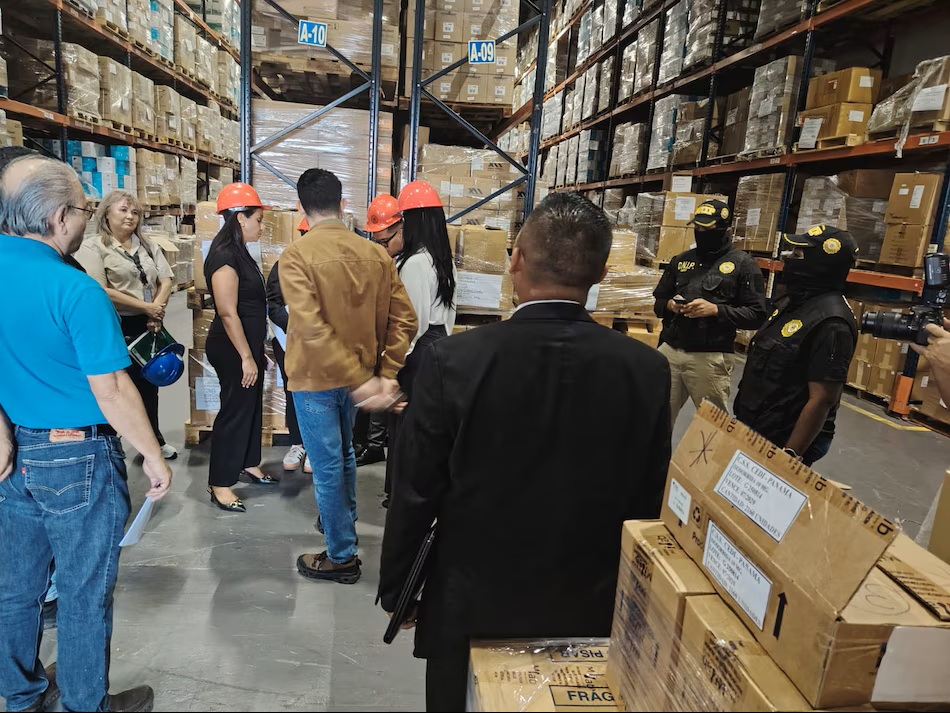
FSIS conducts thousands of inspections every year. If a facility doesn’t meet standards, enforcement actions can include warnings, fines, or suspension of operations. These aren’t rare events. Legal compliance helps create a culture of accountability. It reminds businesses that safety isn’t optional, even when profit is on the line.
The Role of Documentation in Legal Protection
Crisis prevention also depends on paperwork. That might sound dull, but documentation is how food producers prove they’re following the law.
Every step of the process must be recorded—temperatures checked, sanitation completed, employees trained. If contamination is discovered, investigators need to trace it back to the source. Without clear records, that becomes nearly impossible.
The Food Safety Modernization Act (FSMA), passed in 2011, made this even more important. It shifted the focus from reacting to contamination to preventing it through documented systems.
Legal protection depends on being able to show not just that something was done, but when and how. Courts don’t accept verbal claims. They want logs, reports, audits, and verified checklists. If a company faces a recall or lawsuit, well-maintained records can limit liability and prove due diligence. That’s a major part of legal crisis prevention.
Why Legal Oversight Must Keep Evolving
Food production is changing. Automation is increasing, supply chains are stretching across continents, and consumer demand for minimally processed foods is rising. These changes bring new risks that laws must keep up with.
For example, ready-to-eat products carry a higher risk of contamination because they’re not cooked before eating. The law now requires specific pathogen testing for these items. Similarly, imported foods must meet U.S. safety standards even if they’re grown or processed overseas.
The FSIS recently increased training for inspectors to recognize systemic problems rather than isolated issues. That means they’re now evaluating the overall effectiveness of a facility’s food safety system, not just looking for dirty equipment or missed handwashing.
This shift reflects a broader legal trend: moving from surface-level checks to deep evaluations of risk management. It requires producers to stay current not only with scientific best practices, but also with legal expectations.
What Happens When Systems Fail
Even with strong laws in place, crises still happen. When they do, the legal response moves fast.
If a contaminated product reaches the market, recalls are issued. These are sometimes voluntary, but they can also be mandated by law. Failure to comply can lead to criminal charges, especially if executives are found to have ignored known risks.
In 2015, for example, executives from a peanut company were sentenced to prison after knowingly shipping products contaminated with salmonella. That outbreak killed nine people and sickened hundreds more. The legal system made clear that negligence in food safety carries serious consequences.
For consumers, this kind of legal follow-through provides reassurance. It shows that the system isn’t just about rules—it’s about responsibility.
What Food Businesses Should Do Now
Legal crisis prevention doesn’t require perfection. It requires preparation.
Here are practical steps food producers should take:
- Know your legal responsibilities: Don’t assume that current procedures are compliant. Review federal and state regulations often. Stay informed on changes to agency guidance or enforcement priorities that may affect your operations.
- Keep your documentation complete and accessible: That means digital backups, version control, and regular internal audits. Establish a clear system for logging corrective actions and updating protocols when gaps are found.
- Train employees consistently: A well-written safety plan is useless if workers don’t understand it. Incorporate hands-on training and refresher sessions to reinforce protocols and track employee competency.
- Stay ahead of inspections: Use third-party audits to catch weak spots before FSIS does. Document all findings and resolutions to build a defensible compliance record.
- Monitor supply chain partners: If a supplier violates safety rules, your product could still be affected. Require documented verification of their food safety systems and conduct periodic compliance reviews.
Investing in legal compliance is not a luxury. It’s a safeguard for your brand, your customers, and your future.
The law isn’t just a reaction to disaster. When used properly, it’s a blueprint that helps food businesses avoid disaster in the first place.
Knowing that, the next time you open your fridge, you might look at that bag of lettuce a little differently. Not with fear, but with respect for the system behind it.