China Slams Canal Port Concession Ruling: Panama President Defends Judiciary
Panamanian President Jose Raul Mulino rejects Chinese criticism, arguing verdict was within Panama’s constitutional and legal framework.
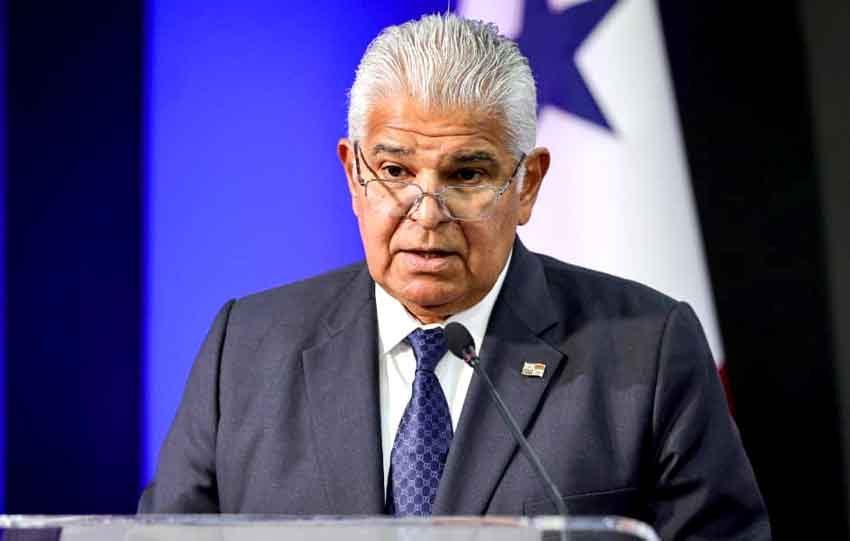
Panamanian President Jose Raul Mulino rejected criticism from Chinese and Hong Kong authorities on Wednesday over a Supreme Court ruling that voided a long-standing port concession at the Panama Canal, arguing that the decision falls squarely within Panama’s constitutional and legal framework. Mulino’s comments came after China’s Hong Kong and Macau Affairs Office issued a sharply worded commentary condemning the court’s decision to declare unconstitutional the concession held by Panama Ports Company, a subsidiary of Hong Kong-based conglomerate CK Hutchison.
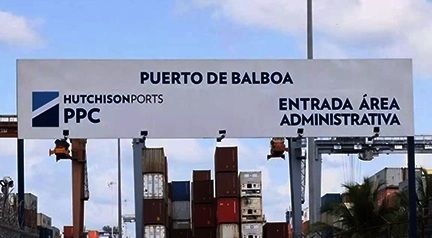
The full bench of Panama’s Supreme Court ruled last week that the concession violated the constitution, cancelling the company’s right to operate the ports of Balboa and Cristobal at the Pacific and Atlantic entrances of the canal. In a social media post, the Panamanian president stressed that Supreme Court rulings must be respected both domestically and internationally. He framed the decision as part of the judiciary’s constitutional authority to review the legality of laws and contracts and rejected any suggestion of government interference or direction.
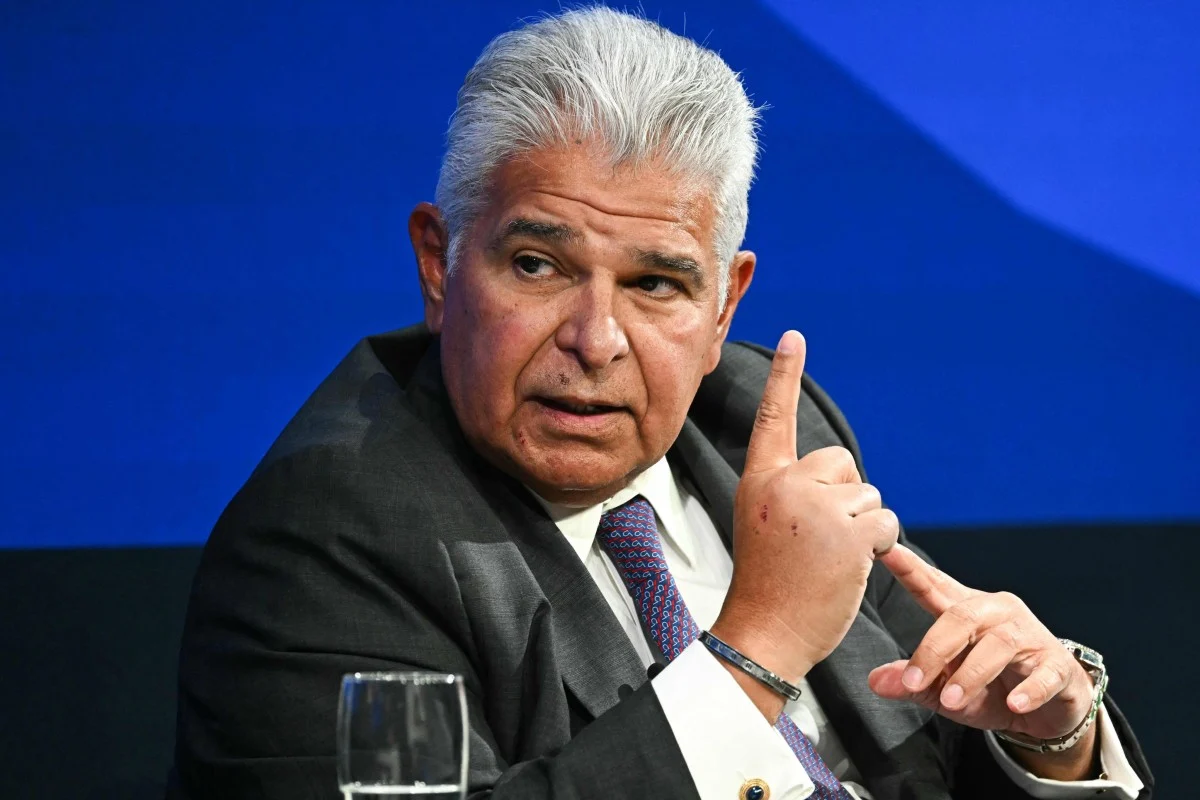
“Panama is a state governed by the rule of law and respects the decisions of the Judicial Branch, which is independent from the Central Government. The Foreign Ministry will issue a statement on this matter and will adopt the corresponding decisions,” Mulino wrote. In a statement published on Monday, the Hong Kong and Macau Affairs Office accused Panama of undermining the rule of law and harming its credibility with international investors. The office stated that the concession had remained in force for nearly 30 years and noted that Panamanian audit bodies and regulators had repeatedly confirmed the operator’s compliance with contractual obligations.
“The Panamanian authorities’ insistence on this despite widespread concerns is tantamount to shooting themselves in the foot,” the statement said. It warned that the ruling would “damage Panama’s business environment, weaken investor confidence and disrupt international trade rules”, while signaling to global investors that long-term legal protections could not be relied upon. The commentary also alleged that Panamanian authorities yielded to pressure from unnamed foreign governments and cast doubt on the independence of the country’s judiciary. It added that countries choosing to act against what it described as the prevailing direction of global development would face “political and economic consequences”. The Supreme Court ruling prompted reactions in Washington, where senior officials and lawmakers welcomed the decision.

US Secretary of State Marco Rubio pictured above at the Panama Canal, described the ruling as encouraging and raised concerns that control of ports at both ends of the Panama Canal by a company linked to China poses risks to US national security. As the fallout from the ruling continues, the Panamanian president has also focused on managing its practical consequences. Last week, he sought to reassure investors and workers, stressing that the government’s priority lies in maintaining port operations and upholding Panama’s legal framework. Mulino also underscored the importance of the ports, describing them as strategic assets for the national economy and international commerce. The dispute intensified after CK Hutchison announced on Tuesday that its subsidiary, Panama Ports Company, initiated international arbitration proceedings against the Republic of Panama.
The company confirmed that it filed the case under the rules of the International Chamber of Commerce, arguing that Panama breached the concession contract and the legal framework governing the ports. In a separate statement, Panama Ports Company said it invested more than US$1.8 billion in infrastructure, technology and human development over nearly three decades and will seek damages through arbitration. The company accused Panamanian authorities of reversing long-standing positions on the legal and contractual framework and of supporting measures to terminate the concession. Panamanian authorities said port operations will continue without interruption as the ruling moves towards final implementation, assuring workers that jobs and port activity will remain in place during a transition period.
Our thanks to Igor Patrick who contributed to this report. If you wish to contribute stories to NewsroomPanama.com please send them to PanamaNewsroom@gmail.com