The Keys to the Legal Battle that Moves to the International Arena: The Panamanian State vs the Panama Ports
Panama has a favorable track record in international arbitrations, with positive results in 95% of cases, because it complies with what is agreed, faces the processes and takes them to the end.
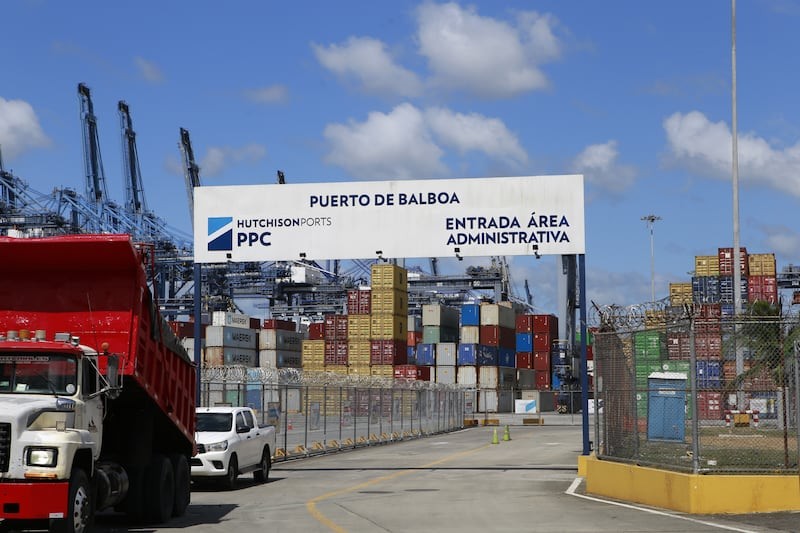
What does the international arbitration initiated by Panama Ports against Panama entail?
International arbitration specialist Esteban López explained that international arbitration occurs when the parties agree, from the signing of the contract, that any dispute will be resolved outside of local jurisdiction , that is, not before the Panamanian justice system, but through this mechanism. He explained that it is a complex process, in which each party appoints an arbitrator and, subsequently, both select a third party, who presides over the arbitration tribunal. According to López, Panama must now formally respond to the arbitration request, appoint its arbitrator, and participate in the selection of the third party. However, he clarified that the process can be suspended at any time if the parties reach an agreement.
“One of the keys will be to demonstrate that the contract did not comply with the requirements demanded by Panamanian law, as established by the Supreme Court of Justice,” he stressed, despite PPC’s attempts to argue otherwise.
Stages of International Arbitration
The procedure includes several phases, among them:
- Constitution of the Arbitration Tribunal
- Signing of the procedural record, which establishes the rules of the process
- Meeting between arbitrators and the parties to define the roadmap
- Challenge of arbitrators, if necessary
- Presentation of evidence and counter-evidence
- Practice of testing and expert reports
- Closing arguments
- Issuance of the arbitral award
During the process, each party will present its position in order to defend its interests before the court.
The Strategy of the Panamanian State
According to López, Panama must prepare in a consensual and transparent manner, relying on lawyers specializing in international arbitration and concession contracts, as well as time and technical expertise.
Port Concession and Continuity
López also stated that it is not necessary to wait for the arbitration ruling to grant a new concession, since the Supreme Court of Justice determined that the contract with PPC does not legally exist. He welcomed the fact that the Government has defined which company will operate the ports, after the departure of PPC, as it sends a message of stability to the international community and guarantees that port operations will not be paralyzed.
Although some sectors warn of a possible impact on legal certainty, the lawyer maintained that the court ruling clearly establishes the breaches of the contract, reinforcing the State’s position. Finally, López highlighted that Panama has a favorable track record in international arbitrations, with positive results in 95% of cases, because it complies with what is agreed, faces the processes and takes them to the end.
“We have to keep in mind that there was a previous Comptroller’s report stating that everything was in order, and Panama Ports’ lawyers are going to use that. The Panamanian State will argue that once we began the review, we realized that the State’s sovereignty had been violated, that the law had not been followed; this will be the most important point of this arbitration,” López asserted.