10 Ways Slower Travel Creates More Meaningful Journeys
Fast trips often leave people feeling tired rather than fulfilled. Rushed schedules, crowded stops, and packed plans can blur experiences together. Slower travel offers a different approach, one that values time, presence, and depth. It allows travelers to absorb their surroundings instead of simply passing through them.
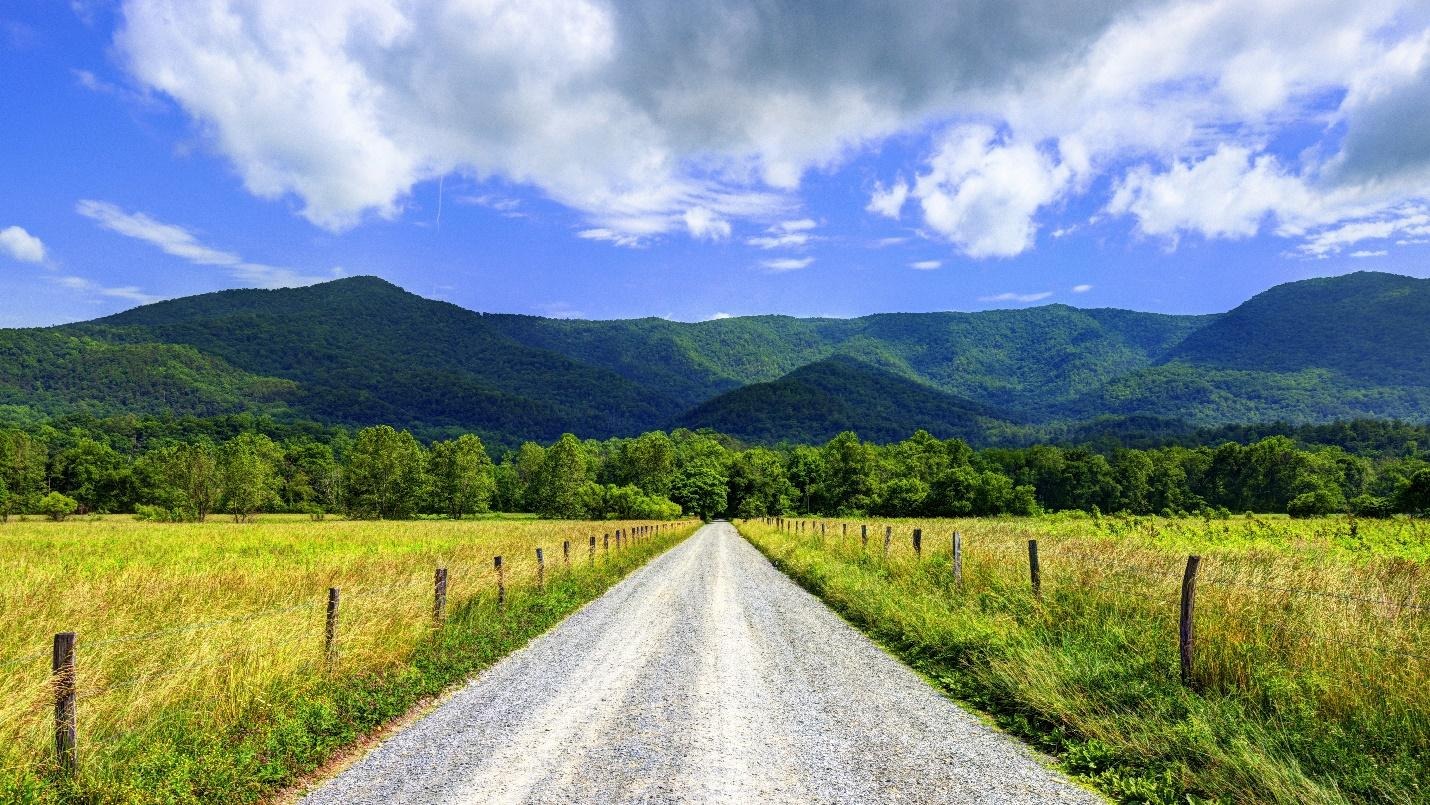
Gatlinburg stands apart from many tourist spots because it blends nature, walkable charm, and calm moments between attractions. A slower pace here encourages deeper appreciation of scenery, local rhythm, and shared time. Choosing to slow down can turn a simple visit into a journey that feels richer and more personal.
This article explains why slower travel creates more meaningful experiences.
- Encourages Deeper Connection with Your Surroundings
Moving slowly allows travelers to notice small details that rushed trips often miss. Sounds, views, and daily routines become part of the experience. Spending extra time in one place builds familiarity and comfort. This connection creates a stronger sense of place and belonging. Instead of checking items off a list, travelers begin to understand the environment. That understanding makes memories feel more grounded and lasting, turning moments into meaningful parts of the journey rather than brief snapshots.
- Makes Staying in Comfortable Retreats More Meaningful
Longer stays change how travelers experience where they rest. Instead of sleeping and leaving, the space becomes part of the journey. Quiet mornings, relaxed evenings, and unplanned downtime help travelers recharge. Comfort and privacy support reflection and calm, allowing people to truly settle in rather than constantly move.
When looking for the best cabin rentals Gatlinburg offers plenty of options. Timber Tops Cabin Rentals lists many accommodations that support this slower approach by offering scenic views, space to unwind, and home-style comfort. These stays provide room to relax, enjoy nature, and explore nearby areas at an easy pace. This encourages presence and supports a more meaningful travel experience.
- Deepens Engagement with Local Culture
When travelers stay longer, they gain time to observe and participate. Conversations feel less rushed, and interactions become more genuine. Local traditions, food, and routines reveal themselves naturally. Instead of surface-level exposure, travelers experience daily life as it unfolds. This deeper engagement builds understanding and respect. It also creates stronger memories because experiences feel shared rather than observed from a distance, adding emotional value to the journey.
- Creates Space for Unplanned Moments
Unplanned moments often become the most memorable parts of a trip. A relaxed schedule leaves room for discovery and flexibility. Travelers can follow curiosity without stress. This freedom encourages exploration beyond planned activities. Unexpected stops, quiet pauses, and spontaneous choices add authenticity. Slower travel allows these moments to happen naturally, creating stories that feel personal and unique rather than scripted.
- Turns Meals into Cultural Experiences
Eating without time pressure changes how food is experienced. Meals become moments of connection rather than quick stops. Travelers can enjoy flavors, conversations, and surroundings fully. Sitting longer allows time to notice customs and preferences. These experiences often reflect local culture more than attractions do. Slower meals help travelers feel present and connected, adding comfort and enjoyment to the journey while creating memories tied to taste and time.
- Allows Movement at a Human Pace
Moving slowly allows the body to stay relaxed and attentive. Walking instead of rushing helps travelers notice details like sounds, textures, and small changes in scenery. This pace reduces stress and supports both physical and mental well-being. Slower movement also makes it easier to pause, rest, or change direction. When travel matches natural rhythm, experiences feel calmer and more enjoyable. This steady pace helps travelers remain present instead of focused on the next destination without feeling hurried or pressured by strict plans.
- Strengthens Relationships with Travel Companions
Spending more time together without rushing strengthens relationships. Slower days create space for real conversations and shared reflection. Without tight schedules, people listen more and feel less distracted. Simple moments like walks or quiet evenings build connection. This pace reduces tension and avoids stress caused by constant movement. Traveling slowly allows companions to support each other and enjoy each other’s company. These shared experiences often become the most meaningful memories long after the journey ends. They encourage patience, empathy, and appreciation for time spent together.
- Encourages Learning Through Immersion
Slower travel creates better opportunities to learn through immersion. Staying longer allows travelers to take part in local activities rather than only observing. Classes, workshops, and guided experiences become easier to join without time pressure. Learning skills or stories firsthand builds a deeper understanding. These experiences stay memorable because they involve participation. Immersion turns travel into personal growth, making the journey feel purposeful and rewarding instead of rushed. This approach helps travelers gain insight that quick visits rarely provide and encourages curiosity beyond surface-level impressions.
- Enhances Appreciation of Nature
Nature reveals more when time is available to observe it. Slower travel allows repeated exposure to landscapes, weather, and wildlife. Instead of brief stops, travelers can sit, walk, and watch changes unfold. This attention builds calm and awareness. Natural settings feel less like attractions and more like shared spaces. Spending unhurried time outdoors supports relaxation and helps travelers feel grounded throughout the journey. These moments create emotional balance and deepen respect for natural surroundings while offering clarity and peace rarely found in busy schedules.
- Creates Time for Reflection and Meaning
Reflection becomes possible when schedules slow down. Quiet moments allow travelers to process what they see and feel. Writing, thinking, or simply resting helps turn experiences into meaning. Without constant movement, emotions settle, and memories form more clearly. Reflection deepens understanding of both the place and oneself. This inner connection gives travel lasting value beyond photos or checklists. It encourages mindfulness and helps travelers remember why the journey mattered. Over time, these reflections shape perspective and personal growth long after the trip has ended.
Slower travel changes the way journeys are experienced and remembered. By allowing time, presence, and connection, it turns movement into meaning. Travelers gain a deeper understanding of places, people, and themselves. A slower pace reduces stress and increases satisfaction. These journeys often feel richer because they focus on quality rather than quantity. When travel is unhurried, memories last longer and feel more personal. Embracing slower travel encourages intention, balance, and appreciation in every step taken.