The Concrete Gauntlet of South Texas
You know the feeling. It starts as a low rumble in the floorboards of your sedan. Then the shadow creeps over the sun visors, blocking out the harsh Texas light. You look left. Spinning chrome lug nuts at eye level. You look right. Concrete barrier. You are in the chute on I-35, sandwiched between a rock and a hard place, or more accurately, a barrier and eighty thousand pounds of moving steel. Driving in San Antonio isn’t just a commute; it is a defensive strategy game played at seventy miles per hour.
The geography here makes it unique. And dangerous. San Antonio sits at the convergence of major arteries. You have traffic coming up from Laredo, goods flowing in from the coast, and the chaotic loop of 1604 trying to contain the suburban sprawl. It is a funnel. Everything squeezes together. When you mix tired commuters with long-haul truckers who have been staring at white lines for eleven hours, the margin for error evaporates. It’s practically zero.
The Physics of a Catastrophe
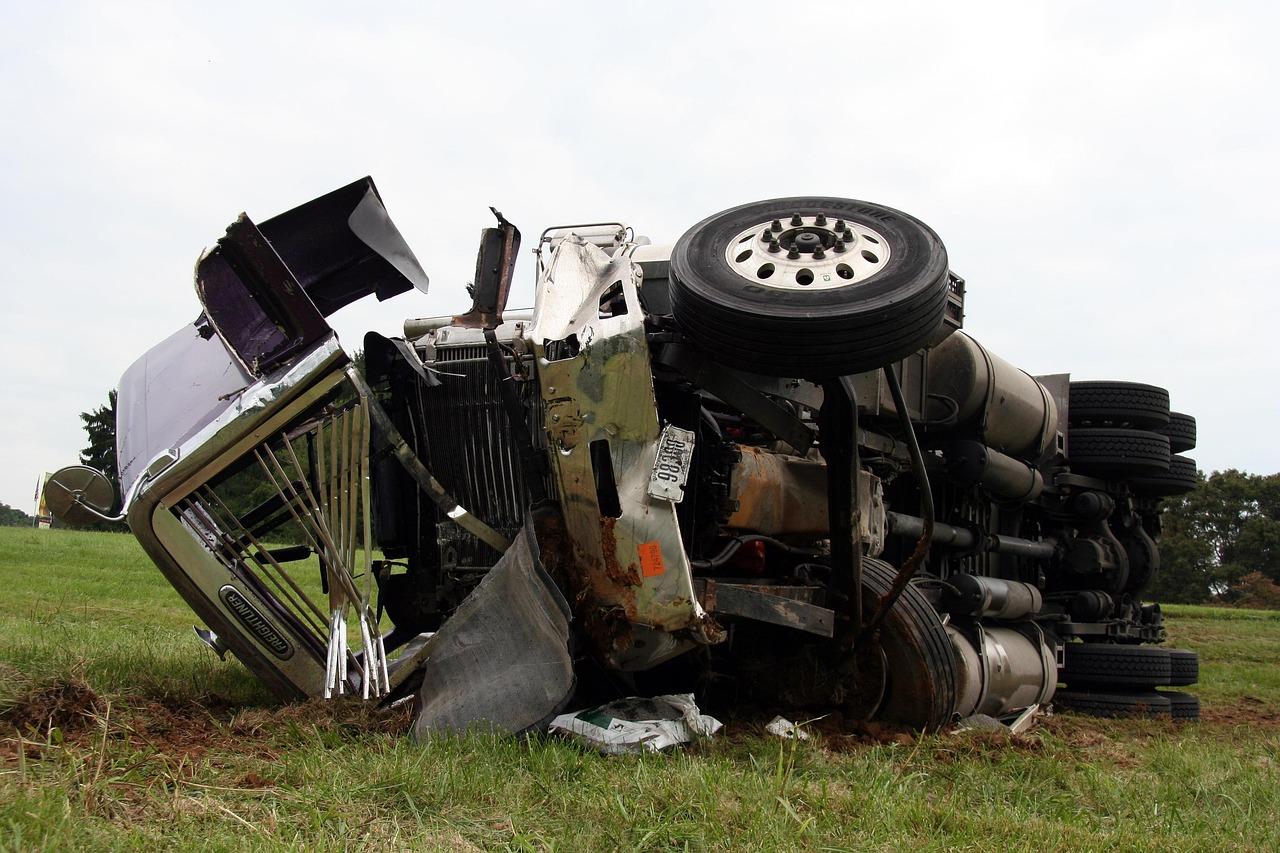
Most people do not truly grasp the violence of these collisions until they see the aftermath. It is not like hitting another car. It is basic Newtonian physics, but on a terrifying scale. Force equals mass times acceleration. When you multiply the mass of a fully loaded tractor-trailer by highway speeds, the force generation is off the charts. It obliterates standard safety features. Crumple zones meant to absorb the impact of a mid-sized SUV simply fold like origami under the bumper of a Peterbilt.
This is where the legal landscape gets as treacherous as the roads themselves. If you survive the impact, you are immediately thrown into a different kind of battle. One that is fought with paperwork and depositions rather than metal and glass. The trucking industry is backed by massive insurance policies, and those insurers are aggressive. They have to be. They are protecting millions in assets. This is why aligning with a San Antonio 18-wheeler accident lawyer is not just about filing a lawsuit; it is about leveling a playing field that is tilted against the victim from the moment the 911 call is made. You need someone who knows the difference between a logbook violation and a mechanical failure. Someone who knows where to look.
The Invisible Web of Global Logistics
It is strange to think about, but the traffic snarling up Loop 410 is often dictated by things happening thousands of miles away. San Antonio is a critical node in the North American supply chain. It is the gateway. Goods manufactured in Asia or South America float across oceans, traverse canals, and eventually end up on a truck bed in Bexar County. The pressure to move these goods is immense. Just-in-time delivery models mean that a delay in shipping can cost corporations millions.
This global pressure cooker trickles down to the guy behind the wheel. He is pushing hard. Maybe too hard. When you look at current events in Latin American logistics, you realize that disruptions in the supply chain usually result in tighter deadlines for the drivers on the ground here in Texas. If a shipment is late getting to the port or crossing the border, the driver is expected to make up that time on the highway. That is when corners get cut. That is when speed limiters are bypassed. That is when the mandatory rest breaks get skipped. The ripple effect of global trade ends up crashing into a family minivan on US 281.
The Digital Tattle-Tale
Here is something the trucking companies don’t exactly broadcast. Modern trucks are essentially computers on wheels. They are constantly recording. The Electronic Control Module (ECM) is the brain of the truck. It tracks everything. Speed. Throttle position. Brake usage. Even the RPMs of the engine. In the old days, accident reconstruction was a lot of measuring skid marks and guessing. Now? The truck tells itself.
But here is the catch. That data is volatile. It can be erased. Sometimes it happens automatically as the truck is driven; other times, well, let’s just say it gets “lost” during repairs. Securing this data is a race against time. If the truck is towed to a company lot and sits there for a week, the battery might drain, or someone might decide to swap out the ECM. Poof. The evidence that the driver was doing 85 in a 65 zone is gone. Just like that. It requires immediate legal intervention to send a preservation letter, freezing that truck in its current state. You can’t rely on the goodwill of the company to keep that evidence safe for you.
The Fatigue Factor and the “Zombie” Driver
We have all been tired behind the wheel. The heavy eyelids. The head nods. Now imagine that feeling while piloting a vehicle that takes the length of two football fields to stop. Driver fatigue is the silent killer in this industry. Federal laws restrict how many hours a driver can operate, but the rules are complex. There is the 11-hour rule, the 14-hour window, and the 60/70-hour limit. It is a math problem that tired drivers have to solve every day.
Electronic Logging Devices (ELDs) were supposed to fix the cheating. They are digital logbooks plugged directly into the engine. Hard to fake, right? Wrong. There are workarounds. Drivers can unplug them. They can use the “personal conveyance” mode to drive off the clock. Or, and this is common in the oil fields south of town, they use the “wait time” exemption loophole. You end up with a driver who is technically legal on paper but is physically functioning like a zombie. Their reaction times are shot. Their judgment is impaired. They are a ticking time bomb waiting for a brake light to flash in front of them.
The Unique Hazards of the Alamo City
San Antonio roads have their own personality. And it is not a friendly one. Take the “Upper Levels” of I-35 near downtown. It is a split-level highway design that confuses the heck out of tourists and terrified locals alike. Lanes merge rapidly. Exits appear out of nowhere. If an 18-wheeler needs to change lanes, they are taking that space whether you are in it or not. They simply cannot see you. The blind spots on these rigs are massive. An entire sedan can disappear on the right side of a cab.
Then you have the construction. It seems like Loop 1604 has been under construction since the dawn of time. Narrow lanes. Concrete barriers with zero shoulder. Sudden stops. When a truck enters these zones, there is no room for error. If a tire blows—which happens frequently in the blistering South Texas heat—the truck has nowhere to go but into the barriers or into the next lane. The debris alone from a blown retread tire can shatter a windshield and cause a pileup. It is chaotic. Unpredictable.
The “Company Man” Approach
After a crash, you might expect an apology. Do not hold your breath. Trucking companies have rapid response teams. These are investigators and adjusters who are dispatched to the scene, sometimes before the ambulances have even left. Their job is damage control. They are there to take photos that favor their driver. They interview witnesses to lock them into statements that might help the defense later.
They might even approach the victim. A friendly phone call. “We are so sorry about what happened. We want to take care of your car, just sign this release.” It sounds nice. It is a trap. That release usually signs away your rights to future medical compensation. And with truck accidents, you almost always need future medical care. Soft tissue damage, spinal compression, traumatic brain injuries—these things often don’t show their full colors until weeks or months later. If you settled for a quick check to fix your bumper, you are on the hook for the hundred thousand dollars in back surgery you need a year later.
Navigating the Aftermath
So, what is the takeaway here? Fear? No. Respect. You have to respect the physics. Give them space. Do not hang out in the “No-Zone.” If you can’t see the driver’s face in their mirror, they don’t know you exist. And if you do get hit, understand that the clock starts ticking immediately. The evidence is degrading. The opposition is mobilizing.
San Antonio is a hub of commerce and culture, but the arteries that keep it alive are filled with heavy iron. Driving here requires a defensive mindset. It requires keeping your head on a swivel. And when the worst happens, it requires knowing that the friendly voice on the phone from the trucking company is not your friend. They have a job to do. You need to make sure you have someone doing the job for you. Stay safe out there. The road is long, and the haul is heavy.