From Prototype to Production: Building Efficient and Clean Manufacturing Setups
During a lightbulb moment, we often skip ahead to the day an innovative new product comes to life. However, the journey from a conceptual idea to a physical item involves careful planning and organization. Building efficient and clean manufacturing setups with the help of suppliers such as AGS Devices ensures fewer road bumps along the way.
The Prototype-to-Production Gap
Rough sketches gradually morph into CAD models, which in turn evolve into prototypes. The vision is becoming a reality. The no-man’s land between prototype and production is a stumbling block for many product innovators. A difficult but essential stage, this requires product testing and tweaking to ensure the product is finally ready for the production line.
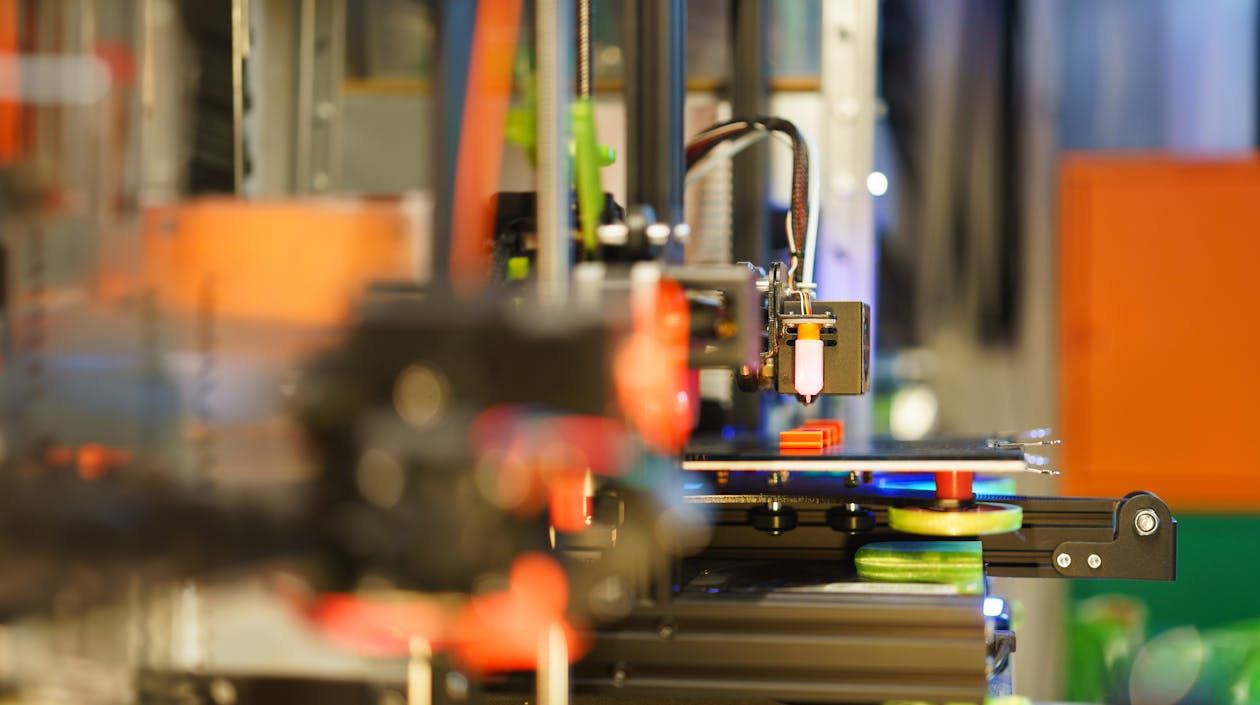
The gap provides time and space to work out mistakes and refine the product. Failing to allow for this experimental phase can lead to costly mistakes once production begins. Though in an industry where time is money, this step needn’t drag on. Technologies such as AI and 3D printing are helping to iron out kinks in prototyping much more quickly.
Designing for Manufacturability
Sometimes the vision is more like a fantasy than a creative spark and has to be adjusted slightly to bring it back down to earth. A product that can be easily produced without specialist machinery or complex processes is more likely to turn a profit.
Designing for manufacturability (DFM) is an important consideration. Implementing DFM early enough allows manufacturers to speed up production, limit defects, and ultimately save on costs.
Clean and Clear Production Floor
Something as simple as keeping the production floor clean and clutter-free can significantly improve manufacturing efficiency. First of all, overcrowded areas can slow down the production line. The movement of employees and equipment is hindered by the lack of clear space.
Another reason why it is in the company’s best interest to keep on top of tidiness is that it reduces the risk of workplace incidents. Boxes left in walkways, loose packaging, and unmopped spills lead to trips and slips, the most common accidents experienced at work. Not only do employees suffer from their injuries, but time off can also affect production efficiency.
Why BOM Management Matters
Bill of materials management can make or break the production process. BOM is essentially an ingredients list of all the individual components required for production. Low stock, late deliveries, discontinuation of components, or faulty items can halt production, which is bad news for the bottom line.
Sourcing reliable suppliers who deliver quality components on time is one way to ensure effective BOM management. Also, using inventory management software to spot potential supply shortages can help avoid running out of essential items. The same software will also identify any excess. This can be sold to a components supplier to reduce dead stock.
Automation and Smart Manufacturing
Gathering and analyzing data with AI assistance can streamline workflows and inform production teams with real-time insights. This encourages agility in the manufacturing process, adapting to changing demands and identifying inefficiencies early.
Already having a major effect on manufacturing is the introduction of robotics into the workforce. Unlike their human counterparts, robots can move around tight spaces and lift heavy objects. This reduces strain and risk to employees. Also, repetitive tasks that require speed and accuracy are commonly handed over to robots on the production line. This limits the occurrence of human error due to fatigue.
Maintaining Quality Control
Standards can slip, especially as production scales up. It goes without saying that setting clear criteria for what is a quality product and what simply won’t do is a must in the manufacturing industry. The trick is to maintain quality control through times of change and growth.
Even during busy periods, product checks and inspections should continue. Additionally, AI data analysis can be used to detect trends in quality lapses earlier. These can then be quickly remedied before they grow into bigger problems on the production line.
Customer feedback also keeps production on its toes. Constructive criticism should inform decision-making, allowing for the continued refinement of products. There is always room for improvement.
Preparing for the Future
Growth is inevitable for a successful manufacturing business. However, how scalable are your production processes? Efficiencies in manufacturing setups can be negatively affected as a company experiences growth. Cost management can become more difficult to control, and the number of components ordered from suppliers has to be recalculated regularly.
Access to real-time data analysis is crucial in times of expansion. Manufacturers can monitor performance and forecast demand in advance. This reduces the likelihood of over- or under-ordering supplies, thereby keeping costs in check.
The future of manufacturing is constantly evolving with the implementation of smart technology. Companies that embrace the change and partner with suppliers that understand this evolution are likely to build and strengthen efficient manufacturing setups and, so, future-proof their business.