The Unconstitutionality of Panama Ports Could Shake up the Contract Model Inherited from the 1990s
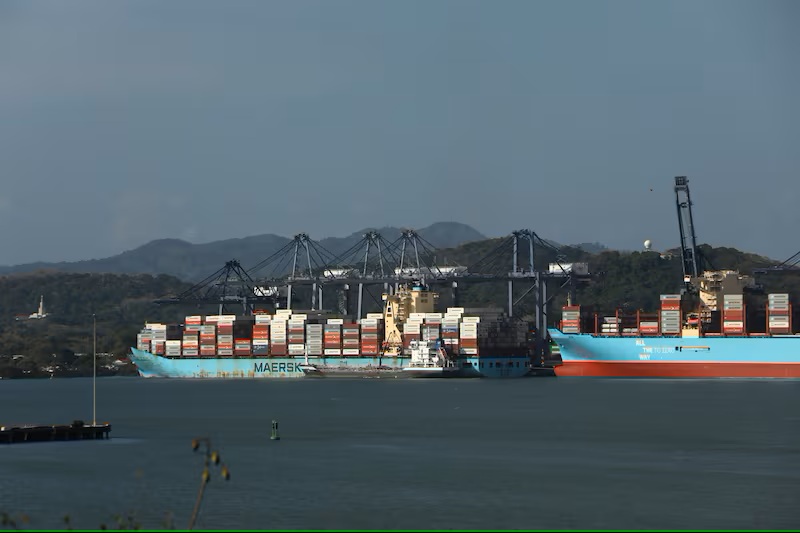
Rodrigo Noriega pictured below, also expressed concern about Maersk’s growing role, warning that the concentration of the railroad and the ports of Balboa and Cristóbal could turn the company into a “megaport” with enormous logistical power in the Panama Canal area.

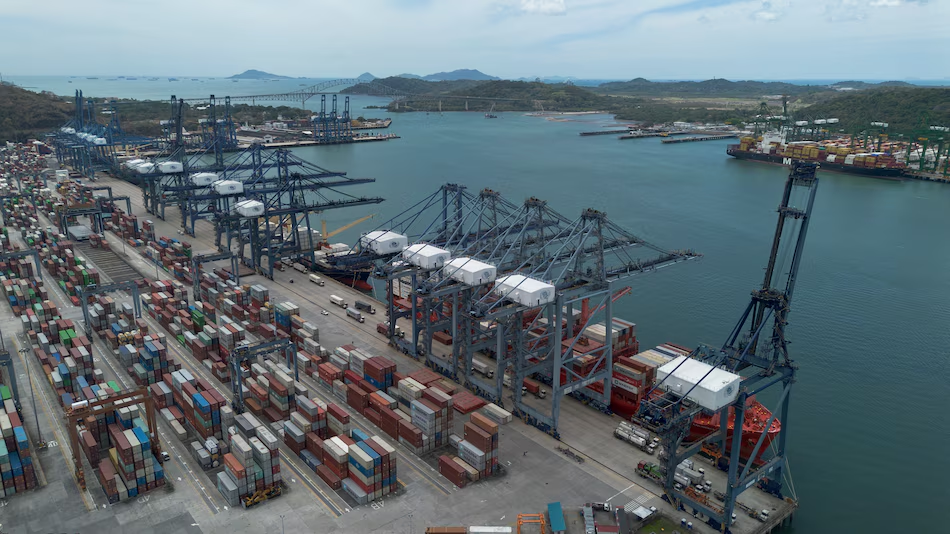
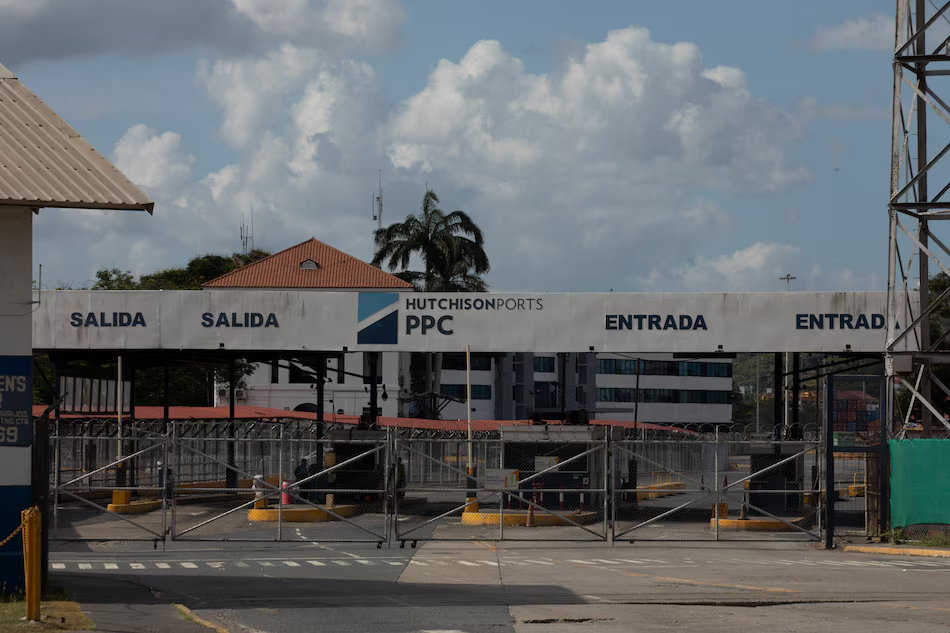
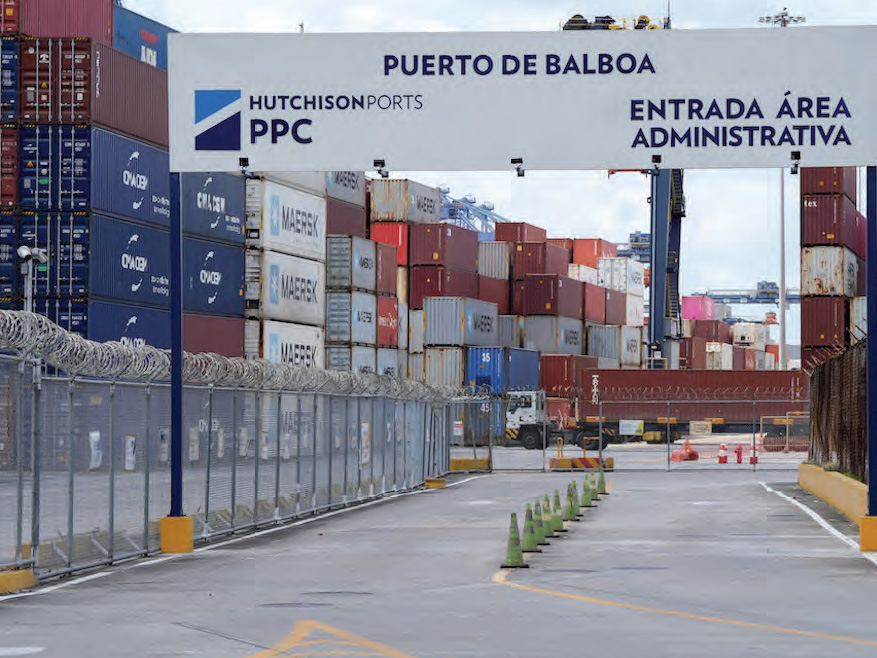
During the special edition of the program Mesa de Periodistas (Journalists’ Table) Broadcast Sunday February 1, lawyer and political analyst Rodrigo Noriega offered a critical analysis of the Supreme Court’s ruling of unconstitutionality that nullified the Panama Ports Company concession contract, warning that the decision will have profound repercussions on foreign investment and other contracts inherited from the 1990s. Noriega described the decision as a “foretold unconstitutionality,” noting that information about the imminent ruling had been circulating since late December, even among international journalists.
In his view, the process was marked by geopolitical factors and by the unusual wording of the ruling, which for the first time included QR codes to access documents—something uncommon in Supreme Court decisions. The analyst explained that the ruling combines two decisions into one: one stemming from the lawsuit filed by lawyers Norman Castro and Julio Macías in early 2025, and another arising from the lawsuit filed months later by the Comptroller General of the Republic.
According to Noriega, the shift in tone and emphasis between the two parts of the ruling reflects that the Court felt it had greater political backing to adopt a firmer stance. He recalled that the Panama Ports contract is part of a series of contracts signed in the 1990s, when Panama sought to attract foreign investment after the invasion and the fall of the military regime. He pointed out that many of these contracts contain similar structures, such as automatic renewals and clauses that place the State on equal footing with the investor, something which, he reiterated, is contrary to administrative law and state sovereignty.
Noriega also contextualized the ruling within the decisions made during Mireya Moscoso’s administration, noting that it was during this period that addenda and contractual adjustments were introduced that substantially altered the original 1997 agreement. He explained that, under the pretext of leveling the playing field with other ports in the country, fixed payments and royalties that benefited the Panamanian state were eliminated and replaced with profit-based schemes. This weakened the state’s position and exacerbated the contractual imbalances that now underpin the declaration of unconstitutionality.

According to the analysis presented, it was not only the initial contract that generated controversy, but also the subsequent modifications that ultimately consolidated a model unfavorable to Panama and which, years later, resulted in economic losses and challenges to its sovereignty. The lawyer warned that, under the criteria established in the unconstitutionality ruling, other strategic contracts could face similar challenges, such as the trans-isthmian railway concession, as well as contracts in the electricity and energy sectors, including those of Ensa and Naturgy.
Given this scenario, he recommended that President José Raúl Mulino’s government pursue preemptive renegotiation to avoid a widespread crisis in foreign investment. He recalled that the Panama Ports contract is part of a series of contracts signed in the 1990s, when Panama sought to attract foreign investment after the invasion and the fall of the military regime. He pointed out that many of these contracts contain similar structures, such as automatic renewals and clauses that place the State on equal footing with the investor, something which, he reiterated, is contrary to administrative law and state sovereignty.
Noriega also contextualized the ruling within the decisions made during Mireya Moscoso’s administration, noting that it was during this period that addenda and contractual adjustments were introduced that substantially altered the original 1997 agreement. He explained that, under the pretext of leveling the playing field with other ports in the country, fixed payments and royalties that benefited the Panamanian state were eliminated and replaced with profit-based schemes. This weakened the state’s position and exacerbated the contractual imbalances that now underpin the declaration of unconstitutionality.
According to the analysis presented, it was not only the initial contract that generated controversy, but also the subsequent modifications that ultimately consolidated a model unfavorable to Panama and which, years later, resulted in economic losses and challenges to its sovereignty. The lawyer warned that, under the criteria established in the unconstitutionality ruling, other strategic contracts could face similar challenges, such as the trans-isthmian railway concession, as well as contracts in the electricity and energy sectors, including those of Ensa and Naturgy.

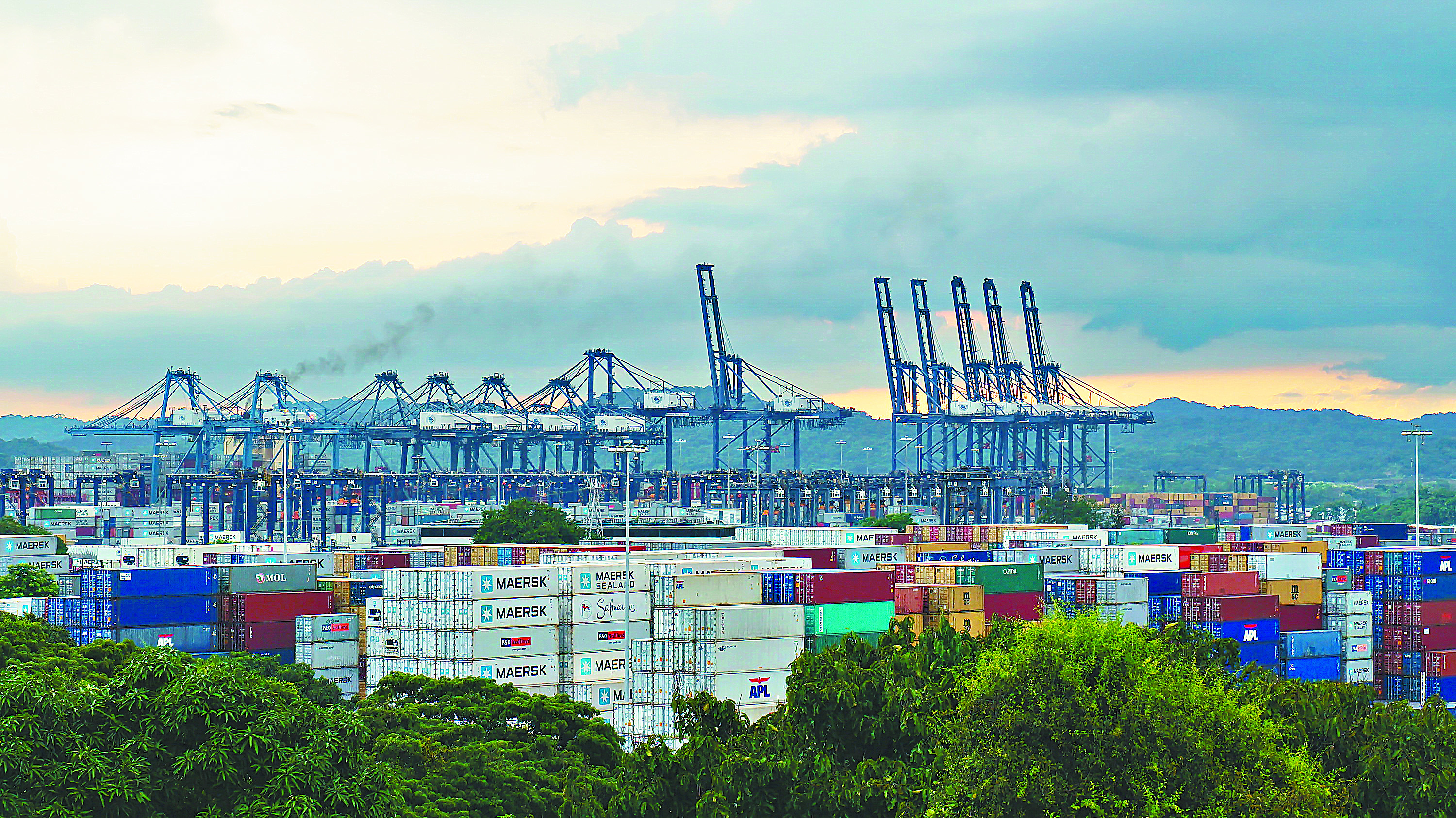
Given this scenario, he recommended that President José Raúl Mulino’s government pursue preemptive renegotiation to avoid a widespread crisis in foreign investment. Noriega also expressed concern about the growing role of Maersk and APM Terminals, warning that the consolidation of the railway and the ports of Balboa and Cristóbal could transform the company into a “megaport” with enormous logistical power in the Panama Canal area. He suggested that the country could have used the ruling to strengthen the role of the Panama Canal Authority (ACP) in port management.

Regarding a potential international arbitration, the analyst downplayed the potential litigation scenarios, asserting that modern arbitration tribunals recognize the sovereignty of states’ constitutional decisions and would hardly disregard a ruling by the Panamanian Supreme Court. Finally, Noriega stated that this case once again highlights the need to reform the public procurement system and considered that Panama should move towards the creation of a Constitutional Court, which would review contracts and treaties before they are signed, thus avoiding rulings of unconstitutionality decades later.