Transfer Pipette: The Essential Guide to Disposable Plastic Pipettes
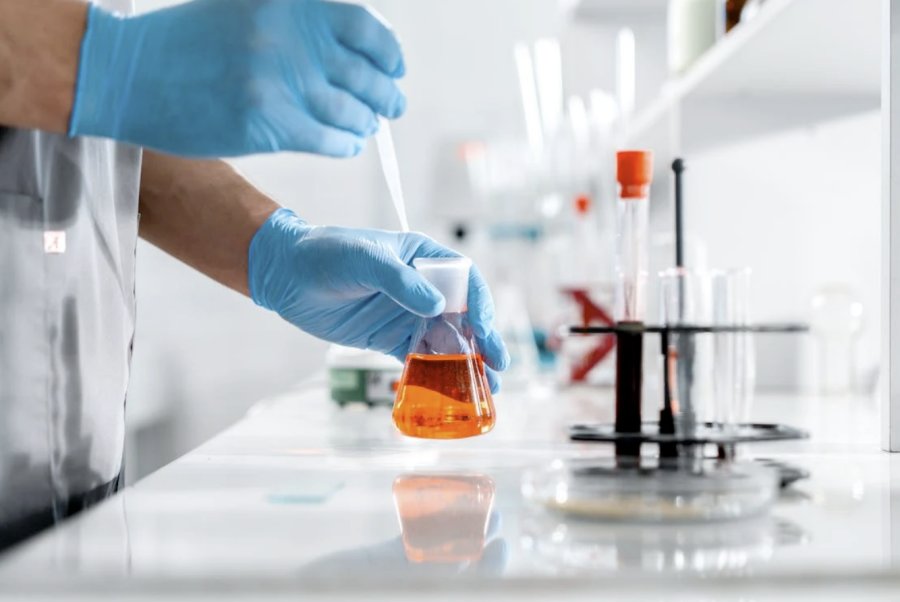
When it comes to laboratory work, precision matters. Whether you’re a researcher, medical professional, or student, you’ve likely encountered the humble yet indispensable transfer pipette. These simple tools have revolutionized liquid handling in labs worldwide, offering convenience, accuracy, and safety in one compact package. The evolution from glass to plastic pipettes marked a significant turning point in laboratory safety and efficiency, eliminating breakage hazards while maintaining the precision scientists demand.
In this guide, we’ll explore everything you need to know about disposable pipettes, from their basic features to specialized applications. We’ll examine how choosing the right pipette can enhance your workflow, reduce contamination risks, and ultimately improve the reliability of your results across diverse laboratory settings.
Disposable Pipette – Key Features and Common Applications
A disposable pipette is designed for single-use liquid transfer, eliminating the risk of cross-contamination. Unlike glass predecessors, modern plastic transfer pipettes offer durability, flexibility, and safety.
The design is beautifully simple. Most feature a bulb for creating suction and a graduated stem for measuring volumes. You squeeze the bulb, insert the tip, release to draw liquid, then squeeze to dispense. This intuitive mechanism requires no special training.
Common applications include:
- Clinical diagnostics – Blood banks use disposable pipettes daily for serology testing and sample preparation. The disposable nature ensures patient safety and prevents disease transmission.
- Microbiology culture work – Transferring bacterial cultures requires sterile conditions. Single-use pipettes provide necessary sterility without time-consuming sterilization processes.
- Educational laboratories – Schools and universities stock thousands of items for student experiments. They’re cost-effective, safe, and eliminate the need for washing equipment between classes.
- Quality control testing – Food, beverage, and pharmaceutical industries rely on these tools for routine testing. Fresh pipettes ensure accurate, uncontaminated results.
- Veterinary medicine: Animal care facilities use it to administer medications, collect samples, and conduct diagnostic tests.
The versatility of the transfer pipette extends beyond traditional labs. Hobbyists use them for aquarium testing, artists for paint mixing, and culinary professionals for molecular gastronomy. Home brewers rely on them for hydrometer sampling, cosmetic formulators use them for creating custom blends, and even jewelers employ them for precise acid application in metalwork.
Plastic Transfer Pipettes – Types, Materials, and Selection Criteria
Not all plastic transfer pipettes are created equal. Understanding the differences helps you choose the right tool for your application.
- Material options:
Polyethylene (PE) – This workhorse material offers excellent chemical resistance, flexibility, and economy for high-volume use. PE works well with aqueous solutions and many common solvents, though not suitable for strong acids or organic solvents.
Polypropylene (PP) – When you need superior chemical resistance, polypropylene delivers. These plastic pipettes handle aggressive chemicals and withstand autoclaving. They’re slightly more rigid but offer better dimensional stability.
Low-Density Polyethylene (LDPE) – These provide maximum flexibility with softer squeeze bulbs, ideal for gentle sample handling or working with limited hand strength.
- Design variations to consider:
Graduated plastic transfer pipettes feature volume markings along the stem, typically 0.5mL to 3mL. Non-graduated versions work for general transfer where exact measurements aren’t critical.
Bulb size and stem length vary significantly. Standard bulbs hold approximately 3mL, while larger versions accommodate up to 7mL. Stem length ranges from short 90mm to extended 155mm models.
- Selection criteria:
Think about your specific needs. Working with corrosive chemicals? Choose polypropylene. Need maximum precision? Look for finely graduated stems. Working in tight spaces? A short stem pipette might be your answer. Volume capacity matters too – a miniature pipette with 1mL capacity provides better control for micro-volume work.
Sterile Transfer Pipettes – When and Why to Use Them
Sterility isn’t just a preference – it’s essential for specific applications. Sterile transfer pipettes undergo rigorous sterilization to ensure they are free of viable microorganisms.
Critical applications requiring sterility:
- Cell culture work – Even a single contaminating bacterium can ruin weeks of work. Sterile transfer pipettes provide the contamination-free environment necessary for maintaining healthy cell lines and tissue cultures.
- Pharmaceutical manufacturing – Drug production demands absolute sterility. Using sterile tools during quality control ensures that detected microorganisms are from the product, not the testing equipment.
- Molecular biology – PCR, DNA extraction, and RNA work require contamination-free conditions. Nucleases on non-sterile equipment can degrade precious samples, demanding individually wrapped sterile transfer pipettes.
- Medical diagnostics – Clinical laboratories must prevent cross-contamination between patient specimens to protect patient safety and ensure test accuracy.
Gamma irradiation represents the gold standard, penetrating packaging to sterilize products without damaging plastic or leaving residue. Most high-quality sterile transfer pipettes undergo this process.
Ethylene oxide sterilization works for heat-sensitive plastics but requires aeration to remove residual gas. While effective, it’s becoming less common due to environmental concerns. The lengthy aeration period required to eliminate toxic ethylene oxide residues adds days to production schedules, and increasing environmental regulations make this method less economically viable despite its proven efficacy.
Individual wrapping provides maximum sterility assurance. Each pipette comes sealed in its own package, opened just before use – essential for cell culture and critical applications. Bulk packages contain multiple disposable pipettes in a single sterile bag, making them ideal when you need several pipettes in quick succession.
Small Pipette – Ideal for Micro-Volumes and Delicate Work
When precision trumps volume, the miniature pipette becomes essential. These specialized tools typically handle volumes of less than 1mL, offering superior control for delicate applications.
Reduced bulb size gives better tactile feedback. You can feel subtle pressure changes more easily, allowing controlled aspiration and dispensing. This makes small pipettes ideal for adding reagents drop by drop or handling precious samples.
Finer graduation marks provide better accuracy. While a standard 3mL transfer pipette might have 0.5mL graduations, a miniature pipette often features 0.1mL or 0.05mL markings – critical for preparing standard curves or serial dilutions.
Specific applications:
- Enzyme assays – Adding minute quantities of substrate requires precision. A miniature 1mL pipette allows exact 50 μL or 100 μL additions without awkwardness.
- Pediatric dosing – In veterinary and pediatric medicine, doses are calculated in microliters per kilogram. Small pipettes enable accurate measurement of critical volumes.
- Immunohistochemistry – Staining tissue sections requires applying small volumes of expensive antibodies precisely, preventing waste.
- Forensic sample collection: Crime labs work with minimal volumes, where every microliter counts.
For volumes under 500μL, consider 0.5mL or 1mL small pipettes. Match your pipette capacity to typical working volumes for optimal control. Using pipettes at 30-80% of their maximum capacity typically provides best accuracy and control, as very low fills make precise dispensing difficult while overfilling reduces tactile feedback and risks spillage.
Short Stem Pipet – Benefits for Accessibility and Control
The short-stem pipette addresses specific challenges with shallow containers, limited workspace, or situations that require enhanced control. These compact versions typically measure 90-115mm compared to standard 155mm models.
Working with microwell plates presents unique challenges. Standard plastic transfer pipettes are too long and awkward to maneuver. A short stem pipette provides easy access to individual wells while maintaining stability.
Shallow containers, such as Petri dishes, benefit from shorter pipettes. The angle becomes more comfortable, and you avoid tipping risks. Short versions eliminate this frustration.
A shorter distance between your hand and the tip means better control. This improved leverage makes the short-stem pipette valuable for handling valuable or hazardous samples. Reducing the length also minimizes wobble in viscous solutions.
Storage advantages matter too. Compact, short-stem pipets take up less drawer space and are easier to organize – important for teaching laboratories with limited storage.
Application examples:
- ELISA testing – These immunoassays use microwell plates with 96 or 384 tiny wells. Short stem versions navigate between wells effortlessly.
- Bacterial plating – Spreading cultures on agar requires bringing the cultures close to the surface. Short disposable pipettes provide better visibility and control.
- Field testing – Portable kits use compact containers. Short pipettes fit better in field kits and are easier to use in non-laboratory environments.
- Pediatric dosing – When administering oral medications to small animals or children, a short stem pipette is less intimidating and easier to control.
Consider your typical container depth before ordering. For plate-based assays, shallow containers, or limited workspace, the short stem pipette offers distinct advantages.
The world of transfer pipettes offers a remarkable variety. From sterile transfer pipettes for cell culture to compact, short-stem pipets for plate assays, there’s a perfect tool for every application. By understanding differences in materials, sizes, and sterilization levels, you can select the ideal disposable pipette for your needs. Investing time in proper tool selection pays dividends through improved accuracy, reduced contamination incidents, and enhanced workflow efficiency that compounds over thousands of pipetting operations.
Whether transferring microliters with a miniature pipette or handling routine tasks with standard plastic transfer pipettes, these simple tools continue proving their worth daily in laboratories worldwide.