Panama Eco Tourism: What Travelers Really Need to Know Before Visiting
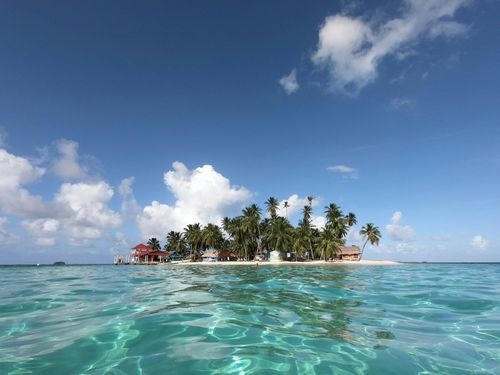
Panama is often described as a bridge between continents, but for travelers who value nature, biodiversity, and meaningful experiences, it is also a bridge between modern convenience and raw wilderness. Many people researching Panama tourism are not simply asking “where should I go,” but rather “what kind of experience will I actually get, and is it worth the trip?”
This guide focuses on what eco-conscious travelers genuinely care about: accessibility, wildlife encounters, variety of activities, safety, and how different destinations cater to various travel styles.
Panama City: Where Urban Life Meets Rainforest
Most international visitors land in Panama City, and for many, the biggest surprise is how quickly nature appears. You do not need to leave the city to experience rainforest ecosystems. Metropolitan Natural Park sits minutes from downtown, offering well-maintained trails, wildlife sightings, and panoramic city views. For travelers with limited time, this park delivers immediate value: you can hike in the morning and attend a business meeting or cultural event in the afternoon.
Nearby, the Panama Canal is more than an engineering landmark. Visitor centers provide insight into how global trade, water management, and environmental protection coexist. For travelers interested in infrastructure and logistics, the canal experience often sparks comparisons to industrial efficiency debates, such as overhead crane vs gantry crane—both are examples of how design choices shape performance in real-world environments.
Darien National Park: For Travelers Seeking True Wilderness
Darien National Park is not for casual sightseeing, and that is exactly why many travelers want to go. It is remote, biodiverse, and largely untouched. Visitors who choose Darien are usually motivated by wildlife photography, birdwatching, or cultural immersion with indigenous communities.
Practical expectations matter here. Access often requires guided tours, travel time is long, and accommodations are basic. In return, travelers gain something increasingly rare: genuine isolation and encounters with species such as macaws, howler monkeys, and rare amphibians. This destination suits experienced eco-travelers rather than first-time visitors.
Volcán Barú: One Hike, Multiple Ecosystems
Volcán Barú National Park appeals to travelers who want a physical challenge combined with a visual reward. Hiking to Panama’s highest point allows visitors to pass through multiple climate zones, from tropical forest to cool highland terrain. On clear mornings, the summit offers views of both the Pacific Ocean and the Caribbean Sea—a unique selling point that few destinations worldwide can match.
Beyond hiking, the surrounding highlands are important coffee-growing regions. Many travelers plan their itinerary around coffee farm visits, combining nature with local culture. Birdwatchers are drawn by the possibility of spotting the resplendent quetzal, a species many people otherwise associate only with Central American legends.
Portobelo National Park: Easy Marine Access for Beginners
For travelers curious about snorkeling or diving but hesitant to commit to remote islands, Portobelo National Park is an ideal entry point. Coral reefs, tropical fish, and calm Caribbean waters make it suitable even for beginners. Equipment rental and local guides are widely available, reducing planning stress.
Portobelo also appeals to travelers who prefer layered experiences. In a single day, you can explore reefs, walk through colonial forts, and enjoy Afro-Caribbean culture. This balance of accessibility and authenticity is a key reason many travelers rank it highly when planning short eco-focused trips.
Coiba National Park: High-Value Destination for Serious Nature Lovers
Coiba National Park is often described as the crown jewel of Panama’s eco-tourism, and for good reason. As a UNESCO World Heritage Site, it offers both terrestrial and marine biodiversity on a scale rarely found elsewhere. Whale sharks, sea turtles, dolphins, and untouched coral systems attract divers from around the world.
Travelers considering Coiba should plan. Access is regulated, visitor numbers are limited, and tours typically depart from the Pacific coast. However, those constraints are also what preserve the experience. For many visitors, Coiba represents the kind of large-scale, carefully engineered conservation system that professionals might liken conceptually to structured industrial solutions such as a FEM single girder gantry crane: designed with precision, efficiency, and long-term sustainability in mind.
Soberanía National Park: Maximum Wildlife with Minimum Effort
Not every traveler wants long transfers or multi-day excursions. Soberanía National Park, located close to Panama City, delivers exceptional wildlife density with minimal logistical complexity. Its famous Pipeline Road is considered one of the best birdwatching locations in the world.
This park is especially appealing to travelers who want reliable results: photographers, short-stay visitors, or families interested in nature education. You can see monkeys, sloths, and hundreds of bird species without leaving the comfort zone of established infrastructure.
Choosing the Right Eco-Destination in Panama
The real question travelers face is not whether Panama has enough eco-tourism options, but which destination aligns with their priorities. If convenience and time efficiency matter most, Panama City’s parks and Soberanía are ideal. If depth, rarity, and immersion are the goal, Darien and Coiba justify the additional effort. For balance, Volcán Barú and Portobelo offer nature, culture, and manageable logistics.
Panama’s strength lies in choice. Few countries allow travelers to move so seamlessly between rainforest, ocean, mountains, and modern infrastructure. That flexibility is exactly what makes Panama one of the most practical and rewarding eco-tourism destinations in the Americas.