Signs You Need Emergency Dental Care in Allentown PA
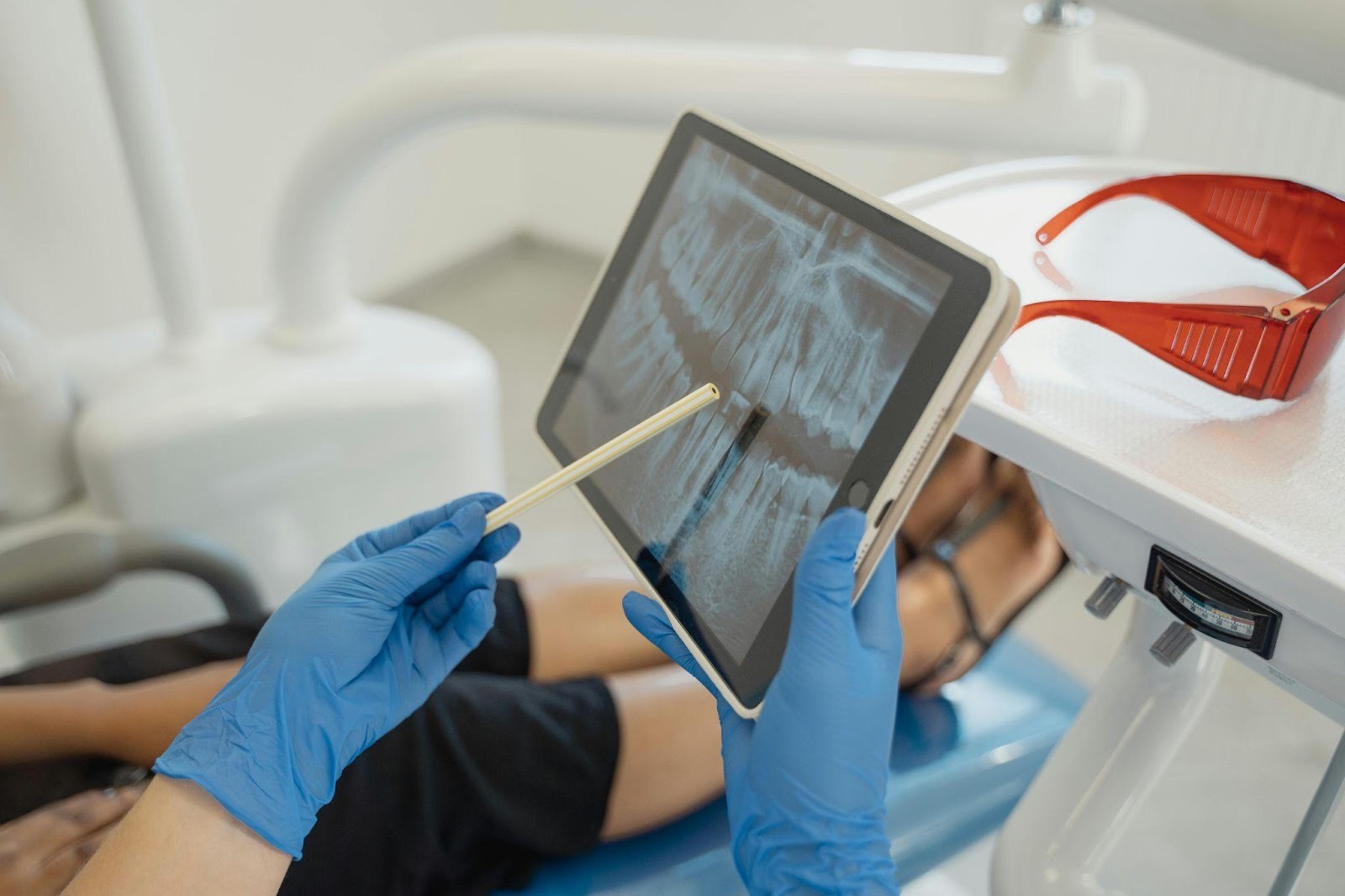
If you’re in Allentown, PA, knowing when to seek emergency dental care can save you from serious complications. Sudden, severe tooth pain or uncontrolled bleeding aren’t things to ignore. A knocked-out tooth or swelling around your jaw can signal urgent issues that need prompt attention. Recognizing these signs early helps protect your oral health and comfort, but there are other symptoms you should be aware of too.
Sudden and Severe Tooth Pain
Sudden and severe tooth pain is often a clear sign that you need emergency dental care in Allentown. If you experience intense discomfort that doesn’t subside, it’s important not to ignore it, even if tooth sensitivity has been a mild issue before. This type of pain can indicate an infection, a cracked tooth, or other urgent dental problems requiring immediate attention. It is acknowledged that dental anxiety might make you hesitant to seek help, but prompt treatment can prevent complications and relieve your pain quickly. Emergency dentists are trained to provide compassionate care, ensuring your comfort throughout the process. Don’t wait until the pain worsens; reaching out for professional care right away is the best step to protect your oral health and peace of mind.
Uncontrolled Bleeding in the Mouth
If you notice uncontrolled bleeding in your mouth, it’s important to understand the common causes and when you should seek professional help. Knowing simple first aid steps can help you manage the situation effectively while waiting for care. Let’s review what might trigger oral bleeding and how to respond promptly.
Causes of Oral Bleeding
While bleeding in the mouth can be alarming, understanding its causes can help you respond appropriately. Common causes include trauma from biting your cheek or tongue, aggressive brushing, or dental procedures. Poor oral hygiene can also lead to gum disease, which often causes bleeding. Additionally, if you have bleeding disorders or take blood-thinning medications, even minor injuries can cause excessive bleeding. Infections and inflammation may also contribute to oral bleeding. Knowing these factors can help you monitor the situation carefully. If the bleeding lasts longer than usual or happens frequently, it’s important to stay calm and consider seeking professional advice. Taking care of your oral hygiene and being aware of underlying health conditions can reduce the risk of uncontrolled bleeding in your mouth.
When to Seek Help
How do you know when bleeding in your mouth needs immediate attention? Recognizing when to seek help is essential to prevent complications. Uncontrolled bleeding is a key dental emergency sign that shouldn’t be ignored. You should get emergency dental care in Allentown Pa if you experience:
- Bleeding that soaks through gauze or cloth within 10 minutes
- Blood pooling in your mouth causing difficulty breathing or swallowing
- Bleeding following a traumatic injury to your teeth or gums
- Bleeding accompanied by severe pain, swelling, or fever
These signs indicate that the bleeding isn’t stopping on its own and requires prompt professional evaluation. If you notice any of these dental emergency signs, don’t hesitate to contact your dentist or visit an emergency dental clinic immediately.
Immediate First Aid Steps
Recognizing the signs of uncontrolled bleeding is the first step to protecting your oral health. If you notice heavy bleeding in your mouth that doesn’t stop after 10 minutes of gentle pressure, you need to act quickly. For first aid, use a clean cloth or sterile gauze to apply firm, continuous pressure directly on the bleeding site. Keep your head elevated to reduce blood flow to the area. Avoid rinsing your mouth vigorously, as this can disrupt clot formation. If bleeding persists despite these emergency procedures, seek immediate dental care in Allentown PA. Prompt action can prevent complications and promote faster healing. Remember, staying calm and following these first aid steps helps you manage the situation effectively until professional help arrives.
Knocked-Out or Dislodged Tooth
If you experience a knocked-out or dislodged tooth, acting quickly can make all the difference. You’ll want to follow specific steps to preserve the tooth and increase the chances of successful reattachment. Let’s go over what you should do immediately and how to handle the tooth properly until you see a dentist.
Immediate Action Steps
Although a knocked-out or dislodged tooth can be alarming, acting quickly and correctly can increase the chances of saving it. First, refer to your emergency contacts and have your dental checklist ready to guarantee you’re prepared. Then, follow these immediate action steps:
- Find the tooth and handle it carefully by the crown, avoiding the root.
- Rinse the tooth gently with water if dirty, but don’t scrub or remove any tissue fragments.
- Try to reposition the tooth back into its socket if you feel comfortable doing so.
- If reinsertion isn’t possible, keep the tooth moist by placing it in milk or a tooth preservation kit.
Contact your Allentown emergency dental provider immediately for prompt care.
Tooth Preservation Tips
How you preserve a knocked-out or dislodged tooth in the minutes following the injury can make all the difference. First, handle the tooth carefully by the crown, avoiding the root to protect the delicate cells vital for successful reattachment. If the tooth is dirty, gently rinse it with milk or saline—never scrub or use tap water. If possible, try to reinsert the tooth into the socket, holding it in place with gentle pressure. If reinsertion isn’t possible, store the tooth in milk or a tooth preservation kit to maintain proper moisture. Maintaining good dental hygiene after the injury is essential to prevent infection—keep the area clean but avoid disturbing the tooth. Prompt tooth care and immediate dental attention can greatly improve the chances of saving your tooth.
Swelling Affecting the Face or Jaw
When swelling affects your face or jaw, it can signal a serious dental issue that needs prompt attention. You shouldn’t ignore facial tenderness or jaw stiffness, as these symptoms often indicate infection or trauma. Acting quickly can prevent complications.
Here are signs you need emergency care:
- Noticeable swelling that worsens rapidly.
- Persistent facial tenderness or pain.
- Difficulty opening your mouth due to jaw stiffness.
- Swelling accompanied by fever or difficulty breathing.
If you experience any of these, contact your Allentown dentist immediately. Prompt treatment can relieve discomfort and stop the problem from escalating. Remember, addressing swelling early protects your overall health and helps you regain comfort quickly.
Persistent or Worsening Gum Infection
If your gums remain swollen, red, or bleed easily despite care, it could signal a persistent infection that needs attention. Ignoring this can lead to more serious issues, including damage to your teeth and jawbone. Don’t hesitate to seek professional help if your symptoms worsen or don’t improve.
Symptoms of Gum Infection
Although mild gum irritation can be common, persistent or worsening gum infection requires your attention to prevent serious complications. Recognizing the symptoms early helps you seek timely emergency dental care in Allentown Pa. Here are key signs to watch for:
- Gum swelling that doesn’t subside or worsens over time.
- Persistent pain or tenderness around your gums and teeth.
- A foul odor or bad taste in your mouth that won’t go away.
- Bleeding gums during brushing or even without any stimulation.
If you notice any of these symptoms, it’s important not to delay treatment. Prompt care can help resolve the infection and protect your oral health effectively. Don’t hesitate to contact your dentist if you experience these warning signs.
Risks of Untreated Infection
Ignoring persistent or worsening gum infection can lead to serious health issues beyond discomfort. If left untreated, the infection consequences may include the development of a dental abscess—a painful, pus-filled swelling that can damage surrounding tissues. This can escalate, causing bone loss around your teeth or even spreading the infection to other parts of your body. You might not realize how quickly a simple gum infection can worsen, affecting not only your oral health but your overall well-being. Addressing these symptoms promptly helps prevent complications and supports faster recovery. If you notice persistent gum pain, swelling, or other signs that don’t improve, it’s important to stay vigilant and consider seeking professional care to avoid these serious infection consequences.
When to Seek Help
How do you know when a gum infection needs professional attention? Recognizing dental symptoms early is key to effective treatment and dental emergency preparedness. If your gum infection persists or worsens, it’s essential to seek help promptly. Consider these signs:
- Increasing redness, swelling, or pain around your gums.
- Pus or discharge indicating an abscess.
- Fever or general malaise alongside oral symptoms.
- Difficulty eating, swallowing, or speaking due to gum discomfort.
Ignoring these symptoms can lead to serious complications. If you notice any of these, contact your Allentown dental care provider immediately. Early intervention guarantees the best outcome and helps prevent further infection or damage. Don’t wait—your oral health depends on timely action.
Broken or Cracked Tooth Causing Pain
A single broken or cracked tooth can cause significant pain and sensitivity, signaling the need for prompt dental attention. If you notice sharp pain when biting or sensitivity to hot and cold, it’s vital to seek emergency dental care in Allentown Pa. Ignoring this can lead to infection or further damage. While waiting for your appointment, you can try tooth sensitivity relief by rinsing with warm salt water and avoiding extremely hot or cold foods. Applying a cold compress may also reduce swelling. Remember, these are temporary measures. Following professional dental care tips, such as not chewing on the affected side and maintaining good oral hygiene, will help prevent complications. Prompt treatment guarantees the best outcome and preserves your dental health.
Abscess or Pus Near the Tooth or Gums
Any presence of abscess or pus near your tooth or gums is a clear sign that you need urgent dental care. This indicates an infection that requires prompt abscess treatment and effective pus management to prevent serious complications. Ignoring these symptoms can lead to increased pain, swelling, and spread of infection.
Here’s what you should watch for:
- Swelling or a painful bump filled with pus near the gum line
- Persistent toothache accompanied by a bad taste or odor
- Fever or general discomfort indicating infection spread
- Difficulty chewing or swallowing due to swelling
If you notice any of these signs, don’t wait. Contact your Allentown dentist immediately for professional abscess treatment and pus management to protect your oral health.
Lost Dental Crown or Filling With Discomfort
When you lose a dental crown or filling and experience discomfort, it’s important not to delay seeking care. A lost crown or filling exposes the sensitive inner layers of your tooth, which can lead to increased dental discomfort and potential infection. Leaving it untreated may worsen the problem, causing pain, sensitivity, or damage to the tooth structure. Even if the discomfort seems mild, prompt evaluation by a dental professional in Allentown Pa is essential. Your dentist can assess the situation, provide temporary relief, and determine the best course for restoring your tooth. Acting quickly helps prevent further complications and guarantees your oral health remains protected. Don’t ignore a lost crown accompanied by dental discomfort—getting timely care is key to your recovery.
Difficulty Breathing or Swallowing Due to Oral Issues
Difficulty breathing or swallowing caused by oral issues demands immediate attention, as these symptoms can signal serious complications. If you experience sudden swelling, it could be due to oral allergies leading to airway obstruction. Ignoring these signs may worsen your condition quickly.
Here’s when you should seek emergency dental care:
- Persistent difficulty swallowing that doesn’t improve
- Noticeable swelling inside your mouth or throat
- Trouble breathing or a sensation of choking
- Sudden onset of oral pain combined with breathing issues
Don’t wait to get professional help. Prompt evaluation can prevent life-threatening situations and guarantee you get the right treatment to restore your airway and comfort. Your safety is the priority.
Trauma Resulting in Jaw Injury or Misalignment
Although jaw injuries can sometimes seem minor at first, they require prompt evaluation to prevent long-term complications. If you experience trauma resulting in jaw pain, swelling, difficulty opening your mouth, or noticeable misalignment, seek emergency dental care immediately. A thorough dental trauma assessment is essential to determine the extent of the injury and rule out fractures or dislocations. Early intervention allows for effective management using jaw realignment techniques, which can restore proper function and prevent chronic issues like TMJ disorders or persistent pain. Don’t ignore symptoms such as uneven bite or difficulty speaking, as these are signs your jaw may need professional attention. Acting quickly guarantees the best outcome and helps maintain your oral health and overall well-being.
Frequently Asked Questions
How Quickly Should I See a Dentist After a Dental Emergency?
You should see a dentist as soon as possible after dental trauma. Don’t wait—urgent care is essential to prevent complications, relieve pain, and save your teeth. Acting quickly guarantees the best outcome for your oral health.
Can I Take Painkillers Before Visiting the Emergency Dentist?
Yes, you can take painkillers for temporary pain relief before your emergency dental visit. Just follow medication guidelines carefully, avoid aspirin if bleeding’s involved, and inform your dentist about any meds you’ve taken upon arrival.
What Should I Avoid Eating After a Dental Injury?
You should avoid hard, crunchy, or sticky foods after a dental injury. Stick to soft foods to prevent further damage. Maintain good dental hygiene gently to promote healing and reduce infection risk during recovery.
Are Dental Emergencies Covered by Most Insurance Plans?
Most dental insurance plans cover emergencies, but coverage limits vary. You’ll want to check your specific policy to understand what’s included and any out-of-pocket costs. Don’t hesitate to contact your provider for detailed info.
How Can I Prevent Dental Emergencies in the Future?
You can prevent dental emergencies by maintaining good dental hygiene and visiting your dentist for regular check ups. These habits help catch problems early, keeping your smile healthy and reducing the risk of urgent dental issues.