Icaza Calls on Youth to Embrace the Legacy of January 9th and Highlights the Canal’s Progress
Panama President Mulino received a plaque of recognition from the January 9th Martyrs and Heroes Movement.
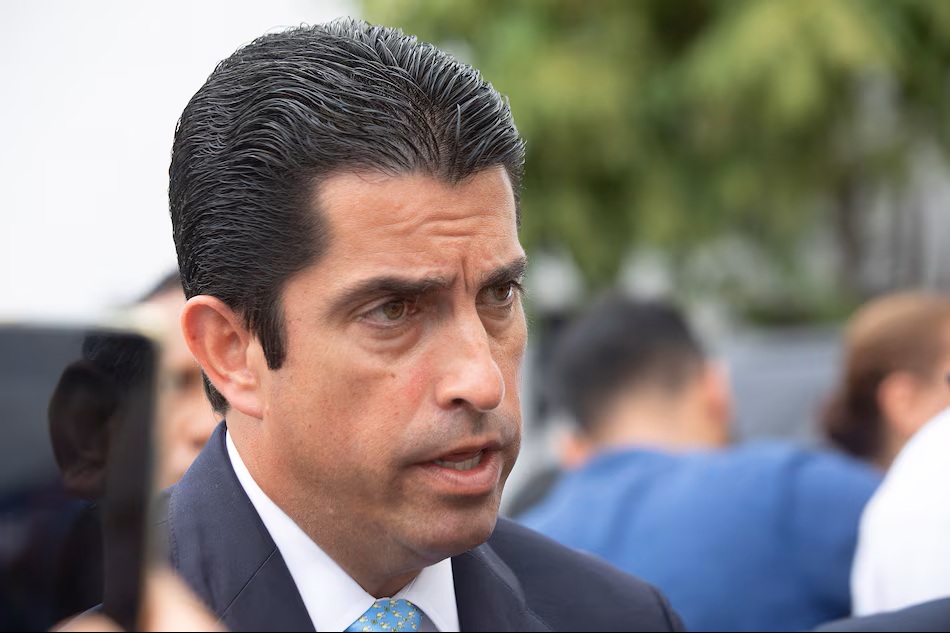
The opening ceremony, held in the Garden of Peace and marking the beginning of activities for the 62nd anniversary of that historic event, brought together relatives of the victims and authorities from the country. During the commemoration of the events of January 9, 1964 , the Minister for Canal Affairs and Chairman of the Board of Directors of the Panama Canal Authority (ACP), José Ramón Icaza, highlighted the importance of historical memory and the leading role that young people must assume in the future of the country and the Panama Canal.
During his address, Icaza reported that the Panama Canal Authority (ACP) is working on an ambitious 10-year strategic plan, which includes 38 initiatives, among which the strengthening of the Canal’s human capital stands out. He explained that the talent, knowledge, and training of Panamanians are fundamental pillars for guaranteeing the Canal’s competitiveness and sustainability. “The future of the Panama Canal lies with students and young people. Just as in 1964 it was the students who paved the way for the sovereign Panama of today, now it is up to the new generations to assume a leading role in maintaining a safe, efficient, profitable Canal that serves the world,” the minister stated.
Advances in the Canal’s Water Security
Referring to the water security plan, Icaza explained that nine participatory platforms were established in 2025 as part of the resettlement process linked to the ORI project. These platforms have allowed progress in six of seven meeting cycles, following the performance standards of the World Bank’s International Finance Corporation. He indicated that the final cycle of community meetings will take place in January, a step prior to direct meetings with the families involved, which will allow for responsible and participatory progress in this strategic project for the Canal.
Reinforcing the History of January 9th in Schools
Regarding the need to reinforce the teaching of these historical events, the minister confirmed that, by instruction of the President of the Republic, the reinstatement of the chair of Relations between Panama and the United States in the educational system was promoted. “Peoples who forget their history are condemned to repeat it. It is essential that our students know the past, understand the bilateral relationship with the United States, and value the sacrifices that allowed us to consolidate our sovereignty,” Icaza emphasized. The minister concluded by noting that remembering January 9, 1964 is not only an act of remembrance, but a permanent commitment to national sovereignty, education, and the future of the Panama Canal.
In Tribute to the Martyrs: ‘January 9th Cannot Be Forgotten’
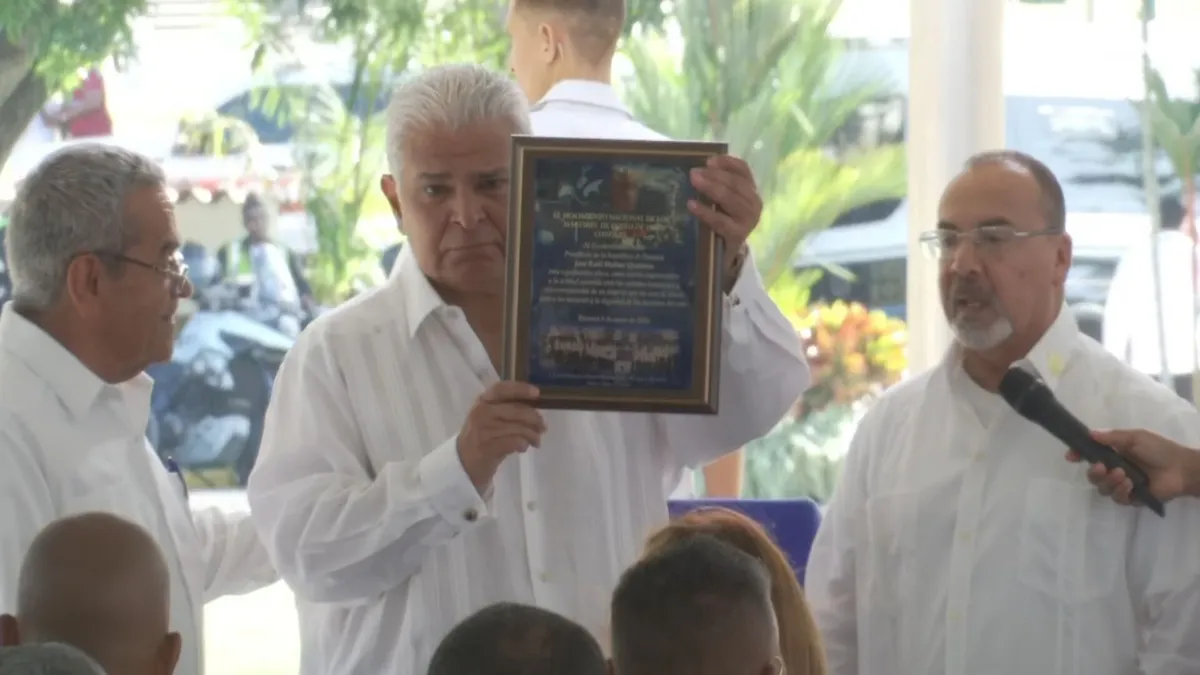
President José Raúl Mulino laid a floral offering in honor of the martyrs of January 9th, in a gesture that opened the official day’s events. Visibly moved, the President of the Republic, José Raúl Mulino, received a plaque of recognition from the heroes of the patriotic feat of January 9, 1964, during the commemoration events held at the Ascanio Arosemena Training Center, a setting full of symbolism for the historical memory of the country.
The ceremony, which brought together national authorities, key figures in the events, and representatives of civic organizations, also paid tribute to the men and women who participated in the events that shaped the course of Panamanian sovereignty. The events included special recognitions for the heroes and martyrs of this struggle, considered one of the most important milestones in the nation’s history. The president of the January 9th Martyrs and Heroes Movement, Carlos Arosemena King, emphasized that the sacrifice of the students and citizens in 1964 generated tangible benefits for the country.
“A year after those events, Panama was still receiving crumbs, and today we receive more than two billion dollars. The struggle was not in vain; the 62 years are still felt, although there is still more to be done,” he stated, while urging a strengthening of the teaching of these events in schools. The Minister of Foreign Affairs, Javier Martínez Acha, served as the keynote speaker and recalled that January 9, 1964, was not an isolated student protest, but a collective expression of national dignity. He emphasized that the 21 young Panamanians who lost their lives marched unarmed, carrying only the flag, a symbol of sovereignty and the soul of the country.
“Those young people who marched towards what was then the Canal Zone did not carry weapons, they carried a flag and with it they carried the soul of the nation. They did it spontaneously, with emotional impulse and at the same time with awareness of the need to give the Republic of Panama what it deserved and what it had a right to. “
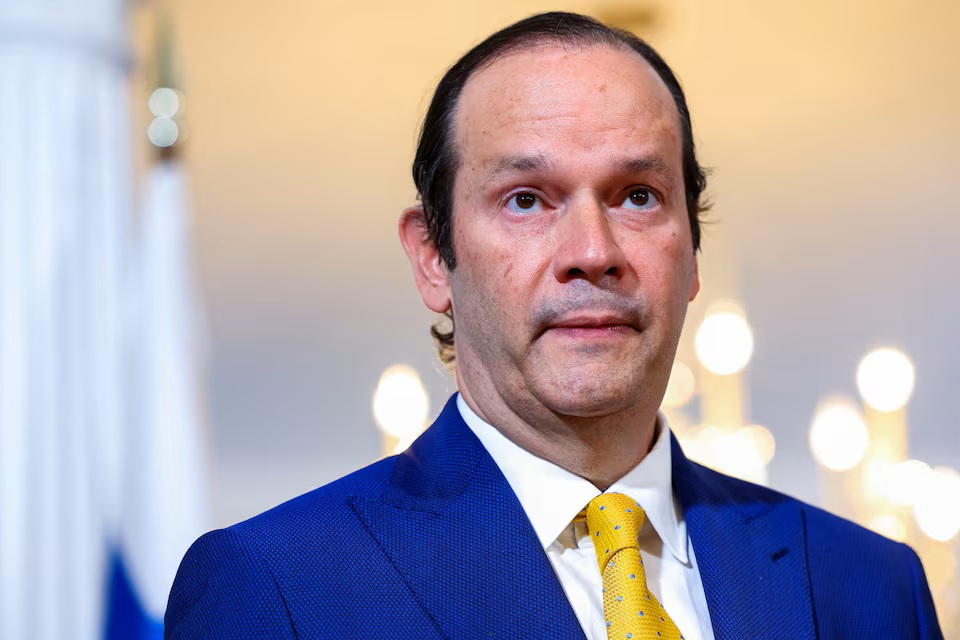
Martínez Acha pictured above, recalled that the attack suffered by the students and the desecration of the national flag provoked a wave of protests throughout the national territory and led Panama to appeal to international bodies, achieving the support of the world community. That process, the foreign minister explained, led to the breaking of diplomatic relations with the United States and a period of negotiation that lasted for 13 years, culminating in the signing of the Torrijos-Carter Treaties of 1977, which consolidated the path towards full sovereignty of the Panama Canal. During the ceremony, authorities agreed that the events of January 9th strengthened national identity and left a lasting legacy for future generations. “The homeland is not inherited, it is honored,” the Foreign Minister reiterated, urging that this date not only be a memory, but a permanent commitment to Panama.