Can You Put a Car on a Plane? A Guide to Air Freight for Cars
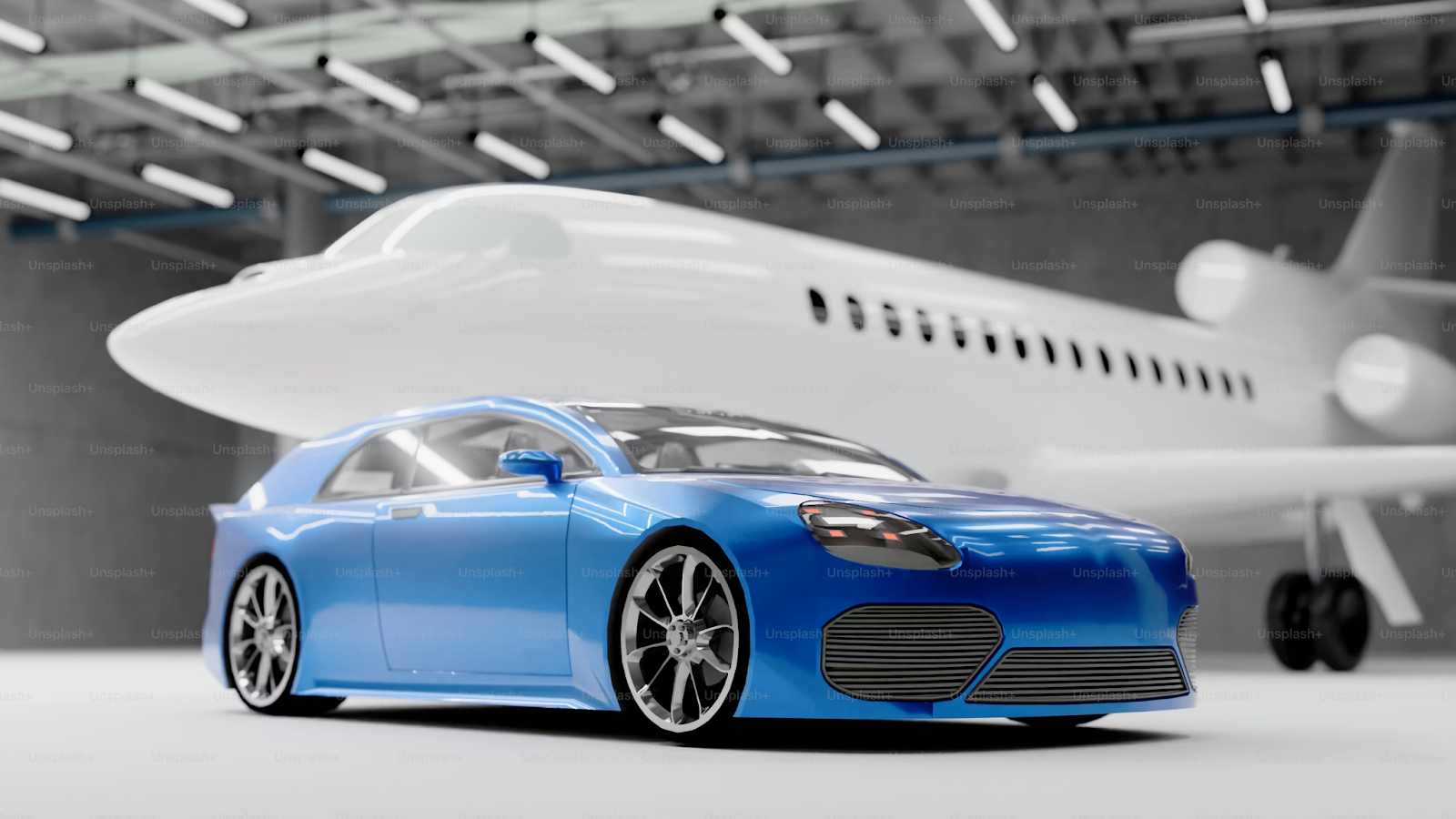
When most people think about moving a vehicle across the country or around the world, they picture a massive semi-truck on the highway or a giant container ship crossing the ocean. However, there is a much faster and more exclusive way to transport a vehicle: taking to the skies. The question “Can you put a car on a plane?” is one often asked by luxury car collectors, professional racers, and people moving overseas on a tight schedule. While it is not the standard choice for a family sedan, it is a fascinating and highly efficient sector of the logistics industry.
Shipping a car by air is the “gold standard” of vehicle transport. It provides a level of speed and security that ground and sea transport cannot match. If you have ever wondered about the logistics of flying a multi-million dollar supercar or even your personal daily driver across the clouds, this guide will walk you through everything you need to know.
Can You Put a Car on a Plane? – The Reality of Air Freight for Cars
The short answer is yes, you absolutely can. However, the process is far more complex than just driving onto a ramp. When people ask, “Can you put a car on a plane?”, they are usually surprised to learn that it happens every single day. Major logistics companies and international airlines have dedicated divisions for high-value cargo. Because a car is considered “dangerous goods” due to its fuel and battery, strict safety protocols must be followed before the vehicle ever leaves the ground.
To prepare for the reality of air transport, there are several steps that owners and logistics providers must take:
- Fuel Level Management: For safety reasons, the fuel tank must typically be less than a quarter full. This reduces the weight and minimizes the risk of fire during the flight.
- Battery Safety Checks: Many airlines require the battery to be disconnected once the car is positioned on its pallet to prevent any electrical shorts or fires.
- Dangerous Goods Declaration: Every vehicle must be accompanied by documentation declaring it as a regulated item. This ensures the flight crew and ground handlers know precisely what they are transporting.
- Specialized Palletizing: Cars are not just driven into the hold. They are secured to a specialized aviation pallet (also known as a ULD) using high-strength straps to prevent movement during turbulence.
Air Freight Car – How Vehicle Transport by Air Works
Once the car is cleared for flight, the process of an air freight car shipment moves into high gear. This method is almost exclusively handled by freight forwarders who specialize in automotive logistics. Unlike ground transport companies, such as Onyx Auto Transport, which hold the vast majority of domestic moves via truck, air freight providers work directly with airports and cargo airlines. An air freight car service is a “white-glove” experience from start to finish, often including enclosed transport from your driveway to the airport tarmac.
The mechanics of how an air freight car moves through the system are quite precise:
- Weight Measurement: The vehicle is weighed with extreme accuracy before loading. In aviation, every pound matters for fuel calculations and balance.
- The Loading Ramp: Vehicles are often loaded using a high-loader, a specialized platform that lifts the pallet to the level of the cargo bay door.
- Climate Control: Many modern cargo holds are climate-controlled, ensuring that the car’s interior and paint are not affected by the extreme cold of high altitudes.
- Real-Time Tracking: Most air shipments include high-level GPS tracking, allowing the owner to see exactly when the plane takes off and lands.
- Arrival Handling: Once the plane lands, a specialized team offloads the car and moves it to a secure warehouse for final inspection and customs clearance.
Cargo Plane for Cars – Types of Aircraft & Loading Process
Not just any airplane can handle a vehicle. You won’t see a Toyota Camry being loaded into the belly of a standard passenger jet while you’re waiting at the gate. Instead, a dedicated cargo plane for cars is required. These are usually massive aircraft, such as the Boeing 747-8F or the Antonov An-124. These planes feature “nose-loading” or “tail-loading” capabilities, meaning the front or back of the plane opens up entirely to allow large, heavy items to be driven or slid inside.
The engineering behind a cargo plane for cars allows for a high degree of flexibility:
- Nose-Loading Capacity: Some aircraft have a nose that swings upward, allowing a vehicle to be driven straight into the main deck. This is much faster than side-loading.
- Multi-Level Decking: Specialized racks can be used to stack cars on top of each other in the cargo bay, though this is more common in maritime shipping than in air.
- Heavy-Lift Capabilities: For armored vehicles or large SUVs, “heavy-lift” cargo planes are used. These aircraft are designed to carry tanks and machinery, making a luxury SUV feel light by comparison.
- Internal Winching Systems: If a car is non-operational (such as a classic being sent for restoration), the cargo plane for cars can use internal winches to pull the pallet into place.
- Tie-Down Points: The floors of these planes are covered in “tracks” that allow for infinite tie-down configurations, ensuring the car is locked into the plane’s frame.
Can You Fly a Car to Another State? – When Air Transport Makes Sense
While international shipping is the most common use for planes, many people wonder, “Can you fly a car to another state?” It is certainly possible, but it is rarely done for standard moves. For example, moving a car from New York to California by truck takes about 7 to 10 days and costs roughly $1,500. To ship a car by plane on the same route would take less than 24 hours, but could cost upwards of $15,000 to $25,000. It is a premium service for those who value time over money.
People often ask, “Can you fly a car to another state?” in the following scenarios:
- Auction Deadlines: When a collector buys a car at a high-profile auction like Barrett-Jackson, they may want it delivered to their garage immediately to show it off or prepare it for another event.
- Racing Events: Professional racing teams often ship cars by plane to ensure their vehicles arrive at the track with zero road wear and plenty of time for mechanical tuning.
- Emergency Relocations: If a high-level executive is moved for work on 24-hour notice, their company may pay for airfare to ensure their lifestyle is not disrupted.
- Movie Productions: Film studios often fly “hero cars” to filming locations across the country to keep production on schedule.
- Extreme Value Protection: For a car worth over $10 million, the risk of a highway accident on a truck – even an enclosed one – might be deemed too high by insurance companies.
Car Shipping by Air – Pros, Cons & How to Arrange It
If you decide that car shipping by air is the right choice for you, the final step is understanding the trade-offs. The biggest “pro” is undeniably speed. You can have your car anywhere in the world in under 48 hours. The biggest “con” is the price, which is often 10 to 20 times that of ground transport. To ship a car by plane, you will need to work with a specialized international freight forwarder who has the permits to handle air cargo.
When considering car shipping by air, keep these final points in mind:
- Speed Advantage: There is simply no faster way to move a vehicle across the globe. Air transport bypasses traffic, road construction, and port congestion.
- Safety and Security: Airports are some of the most secure locations in the world. Once your car is in the cargo terminal, the risk of theft or vandalism is virtually zero.
- Limited Availability: Not every airport is equipped to handle vehicle cargo. You will likely need to move your car to a central international hub, such as JFK, LAX, or Chicago O’Hare.
- Complex Logistics: From hazardous materials declarations to customs bonds, the paperwork is extensive. Always choose an agent who specializes in automotive air freight to handle these details.
In conclusion, the question “can you put a car on a plane?” has a simple “yes” answer, the execution is a masterclass in modern logistics. Whether you are using a cargo plane to send a rare Ferrari to a museum or trying to ship a car by plane to meet a racing deadline, air freight offers a level of service that is unmatched. It is a premium solution for premium vehicles, ensuring that the world’s most beautiful machines can travel as fast as the people who drive them.