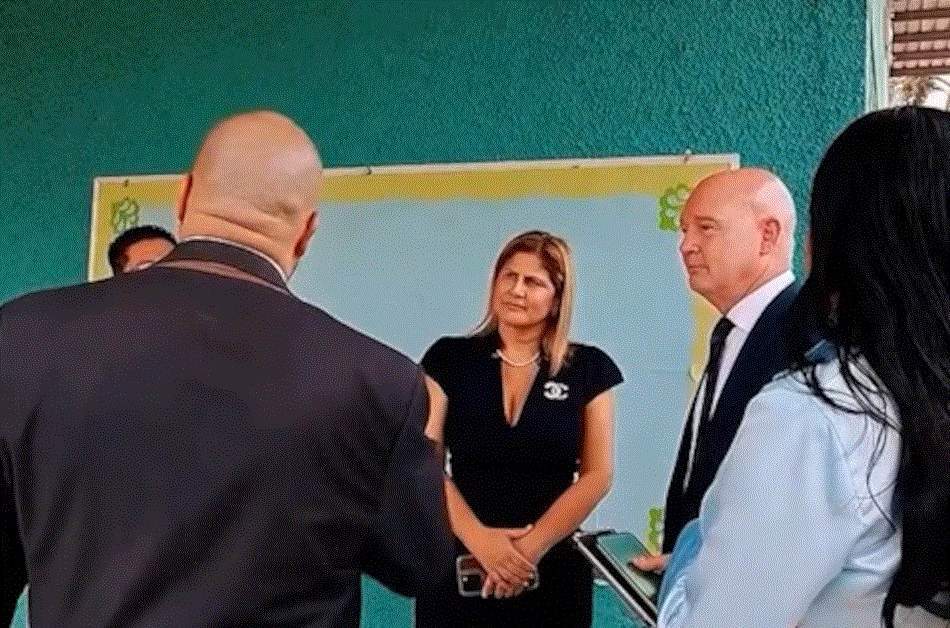
Delcy Rodríguez: She is Quite the Lady and May Lead a Venezuelan ‘Transition’
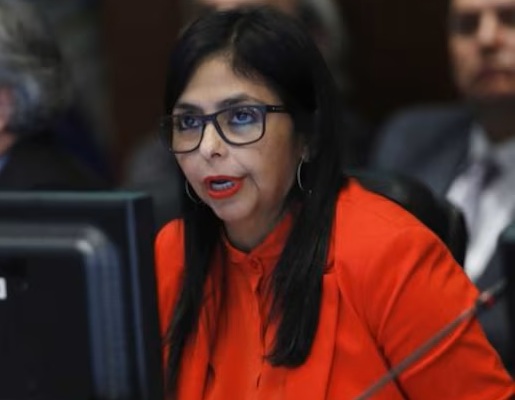
Delcy Rodríguez, a staunch defender of the regime that has governed Venezuela since Nicolás Maduro Moros came to power in April 2013 and now acting president by decision of the Supreme Court of Justice “in order to guarantee administrative continuity and the integral defense of the Nation”, would be the key piece in the “transition” announced by the President of the United States, after the military operation that deposed the protégé of the late President Hugo Chávez (1999-2013). Rodríguez, who had served as vice president of the regime since June 14 of 2018, and also as Minister of Economy and Finance since September 9 of 2020, was publicly mentioned by President Trump as the logical figure, by succession of the position, to carry out the necessary “transition” for the return of democracy to that South American nation.
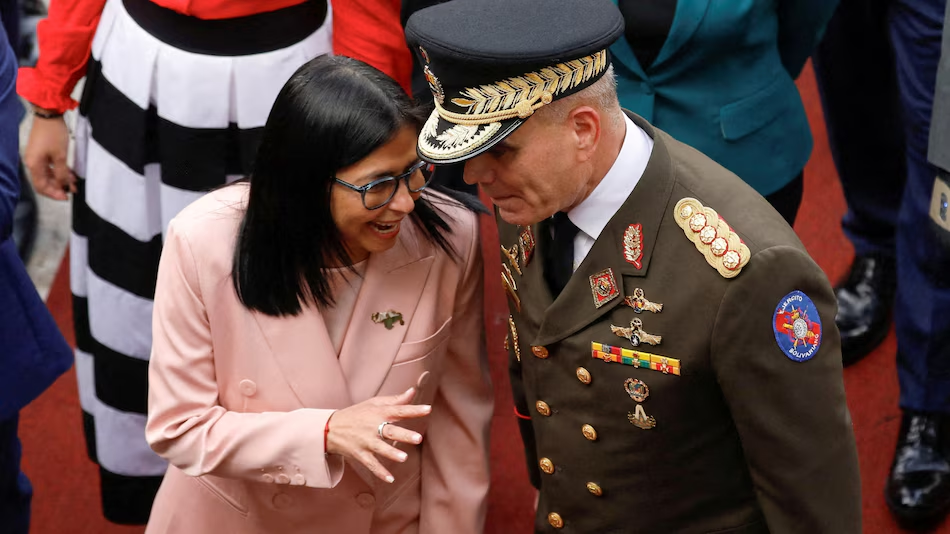
General Padrino López unites with Vice President Delcy Rodríguez in order to defend common interests. Delcy Rodríguez is the current acting president of Venezuela. The US president states that his government will lead the transition, that Delcy Rodríguez will do what they need, and avoids mentioning Edmundo González and María Corina Machado.
She, the US president asserted, “is essentially willing to do what we believe is necessary to make Venezuela great again.” However, in later statements, he warned her that “if she doesn’t do what is right, she will pay a very high price, probably higher than Maduro.” Rodríguez was appointed acting president by the Supreme Court of Justice (TSJ) on January 3, 2026, hours after Operation Absolute Resolve, which included bombings of key military areas in the country. The Constitutional Chamber, in a joint ruling, stated that the decision to grant presidential powers to Rodríguez was made within the framework of an urgent and preventative precautionary measure, following the “military aggression” aimed at “the kidnapping of the constitutional president, Nicolás Maduro Moros,” who was taken from Venezuelan soil by U.S. military personnel to be brought before the authorities of that nation along with his wife, Cilia Flores.
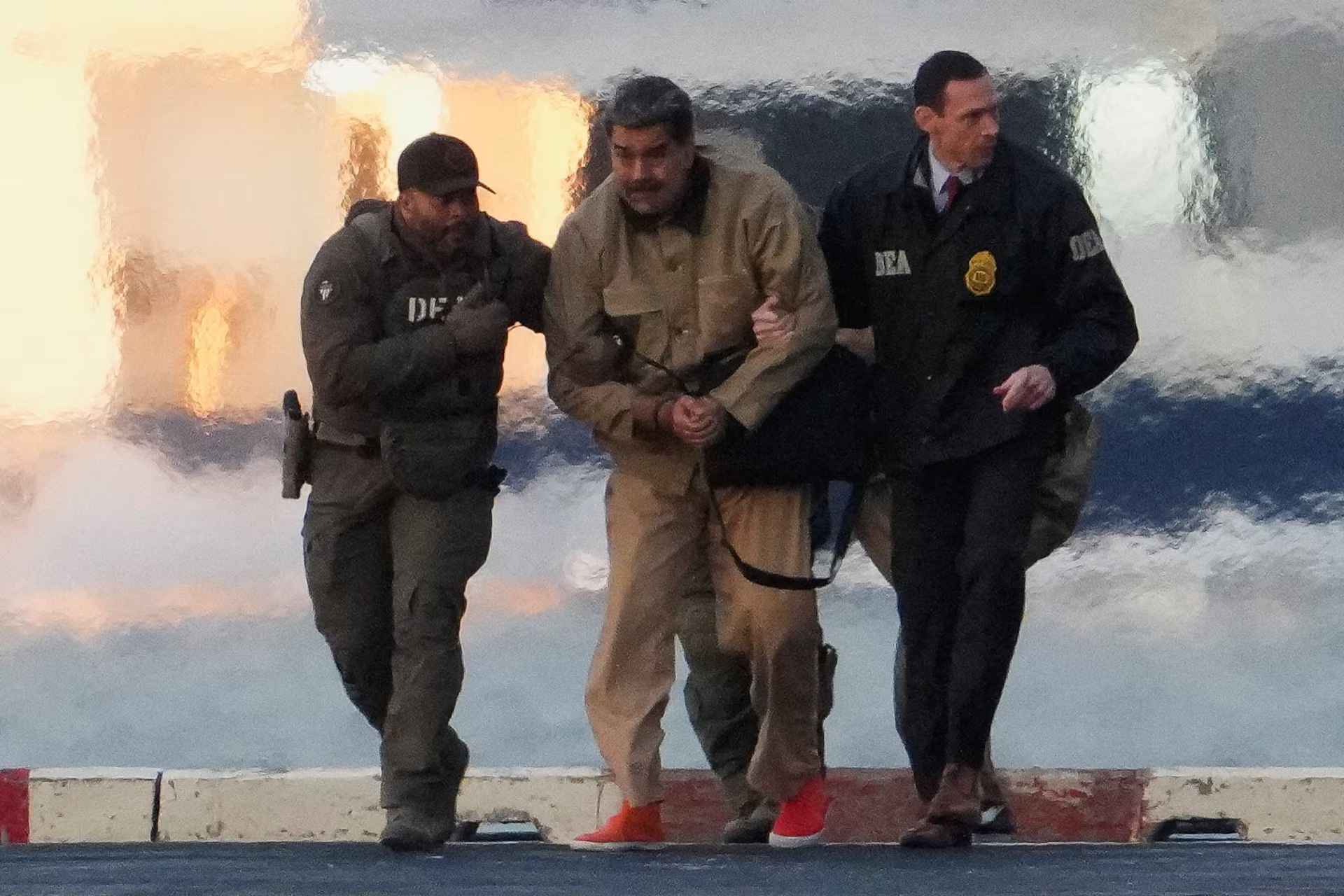
Trump assured that “no one will take power” and that a US team will work alongside Venezuelans to ensure that it is the end of Chavismo and that a “proper transition” will take place. Delcy Rodríguez, a staunch defender of the regime that has governed Venezuela since Nicolás Maduro Moros came to power in April 2013 and now acting president by decision of the Supreme Court of Justice “in order to guarantee administrative continuity and the integral defense of the Nation”, would be the key piece in the “transition” announced by the President of the United States, Donald Trump, after the military operation that deposed the protégé of the late President Hugo Chávez (1999-2013) pictured below.
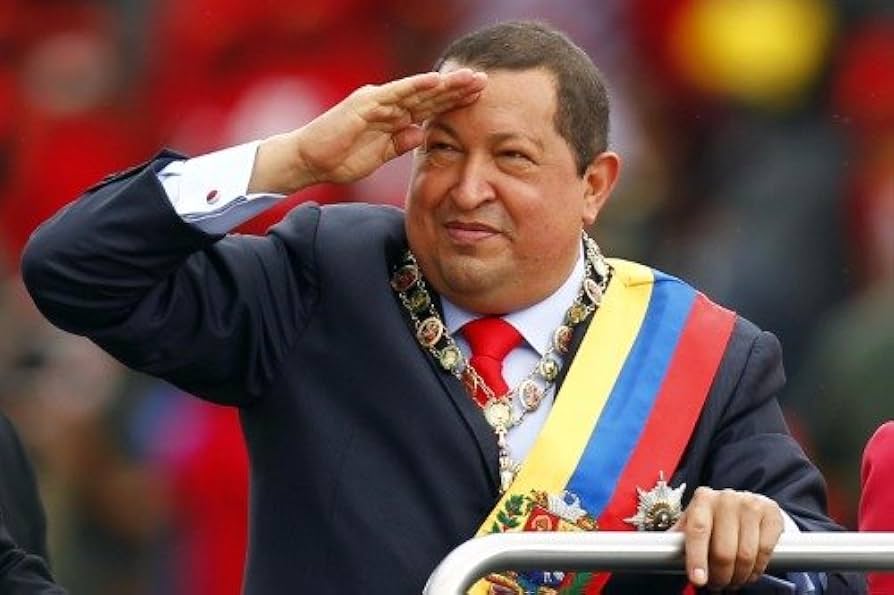
Rodríguez, who had served as vice president of the regime since June 14, 2018, and also as Minister of Economy and Finance since September 9, 2020, was publicly mentioned by President Trump as the logical figure, by succession of the position, to carry out the necessary “transition” for the return of democracy to that South American nation. She, the US president asserted, “is essentially willing to do what we believe is necessary to make Venezuela great again.” However, in later statements, he warned her that “if she doesn’t do what is right, she will pay a very high price, probably higher than Maduro.”
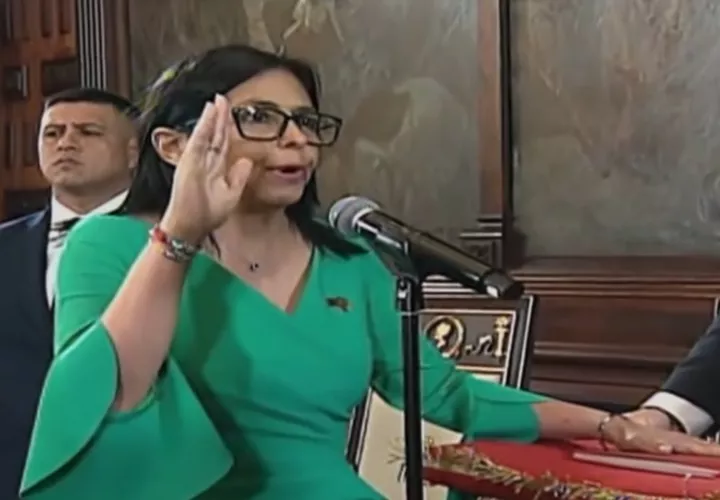
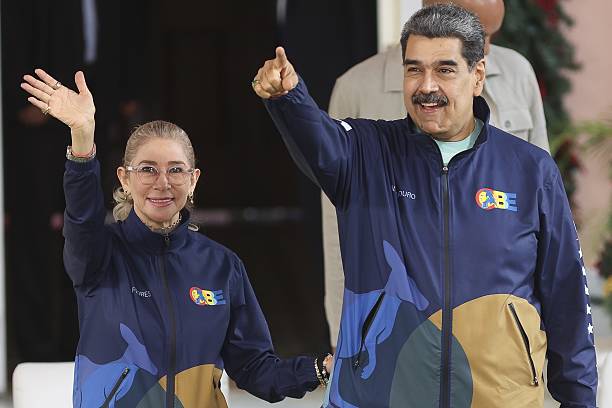
Rodríguez pictured above was appointed acting president by the Supreme Court of Justice (TSJ) on January 3, 2026, hours after Operation Absolute Resolve, which included bombings of key military areas in the country. The Constitutional Chamber, in a joint ruling, stated that the decision to grant presidential powers to Rodríguez was made within the framework of an urgent and preventative precautionary measure, following the “military aggression” aimed at “the kidnapping of the constitutional president, Nicolás Maduro Moros,” who was taken from Venezuelan soil by U.S. military personnel to be brought before the authorities of that nation along with his wife, Cilia Flores as pictured below.
Trump assured that “no one will take power” and that a US team will work alongside Venezuelans to ensure that it is the end of Chavismo and that a “proper transition” will take place. He did not mention Edmundo González pictured below, whom much of the democratic world considers the constitutional president of Venezuela, elected in 2024; nor María Corina Machado, the opposition leader who had to give up her candidacy after the Maduro regime disqualified her and whose constant and frontal struggle earned her the 2025 Nobel Peace Prize.
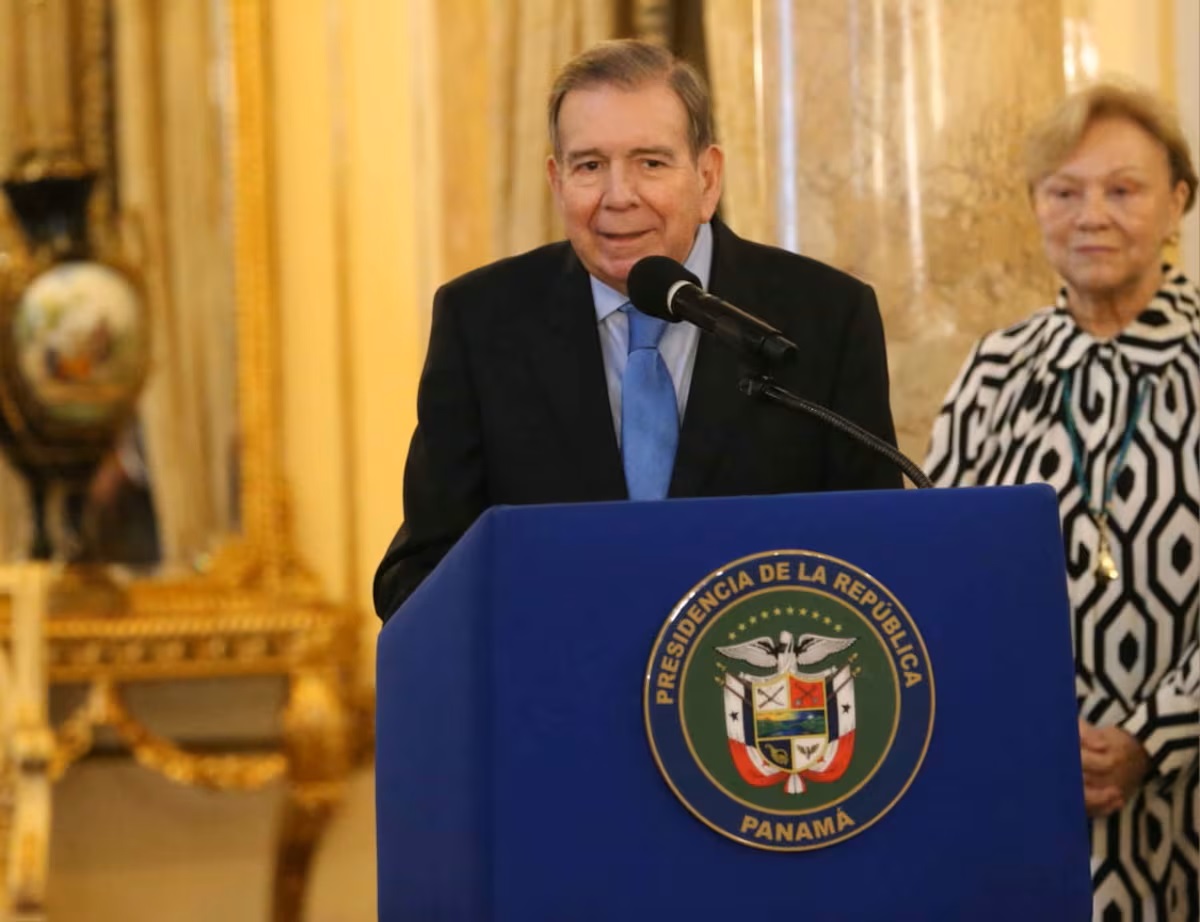
When asked about Trump’s omission of González and Machado, the Vente Venezuela team in Panama said the local coordinator stated that they are awaiting an official statement from their leadership and will not comment on the matter until that happens. However, a message posted by Edmundo González on the night of January 4th via his social media reveals a first and clear reaction, with priorities far removed from those expressed so far by the US president:
“The true normalization of the country will only be possible when all Venezuelans deprived of their liberty for political reasons are freed and the majority will expressed by the Venezuelan people on July 28th is unequivocally respected. As various political and social actors have already stated, only then can a true process of democratic transition begin in a serious and responsible manner. Today, the one who usurped power is no longer in the country and is facing justice. This fact creates a new political scenario but does not replace the fundamental tasks that still lie ahead, among them, one is unavoidable: the immediate and unconditional release of political prisoners. No democratic transition is possible while a single Venezuelan remains unjustly imprisoned. We are a force loyal to Venezuela, loyal to democracy, to the rule of law, and already the dignity of its citizens. As established in Article 5 of the Constitution, our legitimacy derives from the popular mandate and the clear support of millions of Venezuelans. This support is profound, overwhelming, and sustained.
From the Shadows to Power
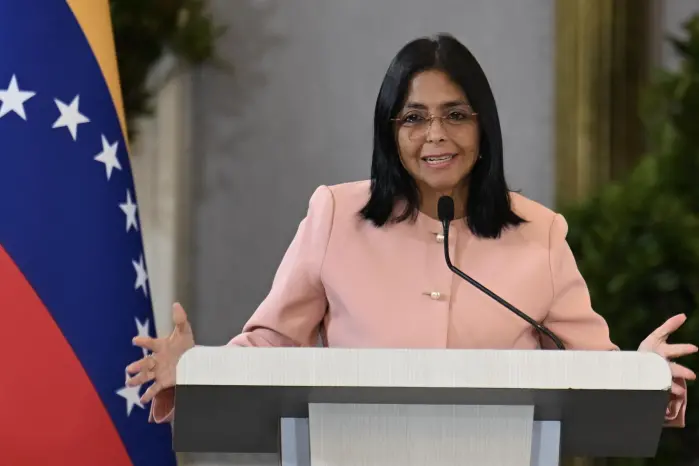
The mere mention of Rodríguez, pictured above, as a key figure in the transition process has generated suspicion and rejection. Her record demonstrates her level of involvement and support for the regime. Maduro made this clear on numerous occasions, such as when he appointed her to the Constituent Assembly in June 2017, after three years as Minister of Foreign Affairs. That day he said: “She deserves the recognition of the entire country because she has fiercely defended the sovereignty, peace, and independence of Venezuela.”
A follower of Hugo Chávez since his attempted coup—although she later distanced herself from him due to differences that have not been publicly discussed—this diplomat, with law degrees from Venezuela and Paris and a master’s degree from London, was the leading voice against the Venezuelan opposition and against the democratic politicians and leaders of the world who rejected, as fraudulent, the results of the successive elections held since 2013.
These elections were the regime’s attempt to impose a democratic veneer on the dictatorship it had been building through electoral disqualifications, the detention of politicians on unfounded charges, and repression that over the years left at least 273 people dead in the context of protests (according to records from the NGO Foro Penal from 2002 to May 31, 2019). As of November 30, 2015, 887 people had been detained for political reasons, according to Foro Penal’s records. To this must be added the exodus of some 8 million Venezuelans who fled the socio-economic crisis caused by the decline of the once regional power.
Thus, Delcy Eloína Rodríguez Gómez has held various positions, including those of deputy and governor. However, the one that gave her the greatest international exposure was that of Minister of Popular Power for Communication and Information, which she assumed on August 3, 2013, and held until October 13, 2014. This ministry is responsible for the government’s communication policy, and from there she supported Maduro’s rhetoric regarding the restriction of civil liberties, the discrediting of the Venezuelan opposition, and attacks on democratic governments in the region and the world that were demanding a change of course.
From this ministry, Rodríguez responded, for example, to censorship reports presented by organizations such as IPYS Venezuela (2014), defending the Government’s communication policy and rejecting it for alleged bias and external funding influences. Maduro also denied reports of repression during the protests, reports from international human rights organizations, and accused the media of using rhetoric to harm the country.
She also served as Minister of Foreign Affairs of the Bolivarian Republic of Venezuela from December 26, 2014, to June 21, 2017. During this period, when protests led by Leopoldo López, María Corina Machado, Antonio Ledezma, and others brought millions of people into the streets and resulted in the creation of the Democratic Unity Roundtable (MUD) and the development of failed dialogues, the cause of Venezuela transcended borders, and Foreign Minister Rodríguez demonstrated her loyalty and support for Maduro and his policies. This led her to confront, even resorting to insults, the then Secretary General of the Organization of American States, Luis Almagro, who maintained a firm stance against the regime and, in a voluminous report, suggested suspending Venezuela from the organization, in accordance with the Inter-American Democratic Charter.
“Almagro is a liar, dishonest, wrongdoer and mercenary, a traitor to everything that represents the dignity of a Latin American diplomat,” said Rodríguez, sitting next to the former Uruguayan foreign minister at a meeting convened to address the crisis in March 2017 at the OAS. At that time, Rodríguez also stated that Venezuela was being used as a “bargaining chip” between the administration of President Donald Trump (2017-2021) and the “right-wing” governments of Latin America. She asserted that Almagro and a “tiny” group of countries were trying to “create an atmosphere in the international community suggesting that something serious was happening in Venezuela to justify intervention under all its conditions” in her country, and that this objective was “backed by Washington.”
In fact, it was she who was tasked with carrying out the instruction to withdraw Venezuela from the OAS, alleging “interventionism and meddling” by a group of countries, through the organization and led by the United States, to overthrow Maduro. In April 2017, in a statement, the Minister of Foreign Affairs declared: “Venezuela has made the dignified decision to withdraw from the OAS after having bravely faced the harassment, interference, and ignominy to which it has been subjected by that institution and by its feverish Secretary General.
In the interest of defending the collective interests of the region, both Hugo Chávez in his time and President Nicolás Maduro today confronted their betrayals with dignity and courage. But the OAS never intended to accept a popular government, much less help Venezuela, as some preach. On the contrary, it increasingly aligned itself with the aims of overthrowing the Bolivarian Revolution.” The document also asserted that the OAS has a 70-year history of subservience to oligarchic and imperialist interests.
Amidst all the turmoil before the OAS, in December 2016, the Foreign Minister also faced the crisis with Mercosur, whose founding states notified her on December 1st of “the cessation of the exercise of the rights inherent to the status of State Party.” While the formal reason given by the Argentine Foreign Ministry was that they had had four years to incorporate the existing regulations and the additional period granted to honor their obligations had expired on that date, the Venezuelan opposition leadership characterized it as a “repudiation of the regime,” a “political sanction,” since the decision had been adopted by Argentina, Brazil, Paraguay, and Uruguay, countries that had distanced themselves from the Venezuelan government and supported the opposition cause in the OAS.
On June 24, 2016, for her “struggle in defense of the Homeland in international scenarios”, the chancellor was decorated by the commander-in-chief of the Bolivarian National Armed Forces and president of the Republic with the Military Order of National Defense, Commander Grade, First Class. Finally, before reaching the pinnacle of power, on July 30, 2017, Rodríguez was elected to the National Constituent Assembly, which she presided over from its initial session on August 4. The Assembly’s convocation aimed to co-opt the powers of the opposition-majority National Assembly and dismantle what remained of democratic institutions.
During this period, among other laws, the so-called Law for Peaceful Coexistence and Against Intolerance was passed, which punishes with 25 years in prison those citizens who commit what it defines as “hate crimes.” On the day it was approved, Rodríguez stated that global media companies, such as Twitter and Instagram, would be sanctioned if they did not remove posts that the Maduro government deemed to qualify as hate crimes or acts of intolerance.
According to the NGO Control Ciudadano, Rodríguez was sanctioned by the governments of Canada, the United States and Switzerland and by the European Union and member countries of the Inter-American Treaty of Reciprocal Assistance (TIAR); she is banned from entering EU member countries, as well as Colombia and Mexico, for human rights violations and weakening of the rule of law, and/or for her relationship with regime officials sanctioned for acts of corruption. In 2020, she was at the center of a scandal in Spain called Delcygate, which involved a secret trip – violating European Union sanctions – to allegedly sell Venezuelan gold fraudulently, as part of a corruption scheme.
The regime’s former vice president has also been a central figure in the relationship with China and the use of the China-Venezuela Funds. A 2023 report by the Latin American-Chinese Research Center of the Andrés Bello Foundation mentions that between 2015 and 2019, the high-ranking official made four official visits to the People’s Republic of China, and received a delegation from that nation in Caracas in 2022. Regarding Rodríguez’s involvement in projects and the purchase of goods and services under the China-Venezuela Funds, the document states that she was involved in “all of them.”
The extent of this responsibility is evident in an investigation, which indicates that of the $136 billion in loans granted by China to Latin American and Caribbean countries between 2005 and 2017, $62 billion (45%) went to Venezuela. Rodríguez made her first steps in government in 2003, under Chávez’s leadership, as general coordinator of the vice presidency, an administrative position, and 20 years later she formed with the president of the National Assembly, her brother Jorge Rodríguez, third in the line of succession according to the Constitution, the most powerful duo in Venezuela. Watch Delcy Rodríguez swear in to her new position in English.