The Courts Charge Two Members of a Community Board in Veraguas
The judge ordered personal precautionary measures, which include preventing them from leaving the country and requiring them to report periodically to the Public Prosecutor’s Office.
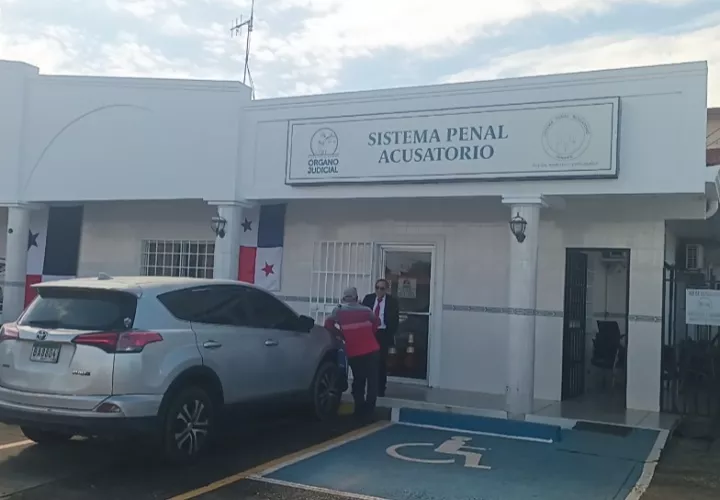
Three members of a community board in the district of Las Palmas, in the province of Veraguas, were at the center of a criminal process for alleged corruption offenses, after complaints that had been awaiting a response for years. In a recent hearing before a judge of the Accusatory Criminal System, two of the three officials were formally charged with the alleged crimes of aggravated embezzlement, falsification of public documents and other charges related to crimes against the public administration.
The plaintiff’s lawyer, Mario Luis Delgado, explained that the case will be investigated by the Anti-Corruption Prosecutor’s Office of the Public Ministry, due to an alleged harm against a community board of a district in the Las Palmas district. After hearing the arguments of the Public Prosecutor’s Office and the defense, the judge ordered personal precautionary measures, which include preventing him from leaving the country and requiring him to report periodically to the Public Prosecutor’s Office, while the investigations continue. As for the third defendant, the arraignment hearing was postponed after his lawyer presented a medical excuse supported by a disability, which was accepted by the court.
As of the time of this report, there had been no official statements from the Public Prosecutor’s Office or the defendants. However, it was confirmed that the process will continue according to the deadlines established in the Accusatory Criminal System, while the Anti-Corruption Prosecutor’s Office continues to gather evidence. According to sources linked to the case, the reported events date back to previous administrations within the community board, which broadens the scope of the investigation. In Las Palmas, the news did not go unnoticed. The community is closely following the process and hopes that clear responsibilities will be established and that the management of public resources will not be shrouded in secrecy again.