Panama Canal: 26 Years of Sovereignty and National Management December 31st
The history of the Panama Canal is marked by decades of sovereignty claims. Panama marks 26 years at the helm of the Canal, a management that transformed the interoceanic waterway into a strategic pillar of world trade and national development.

The Panama Canal celebrates 26 years of Panamanian administration this December 31st, since the State assumed full control of the interoceanic waterway in 1999, consolidating national sovereignty over one of the most important maritime routes in world trade. A video on Instagram is at the end of this article.
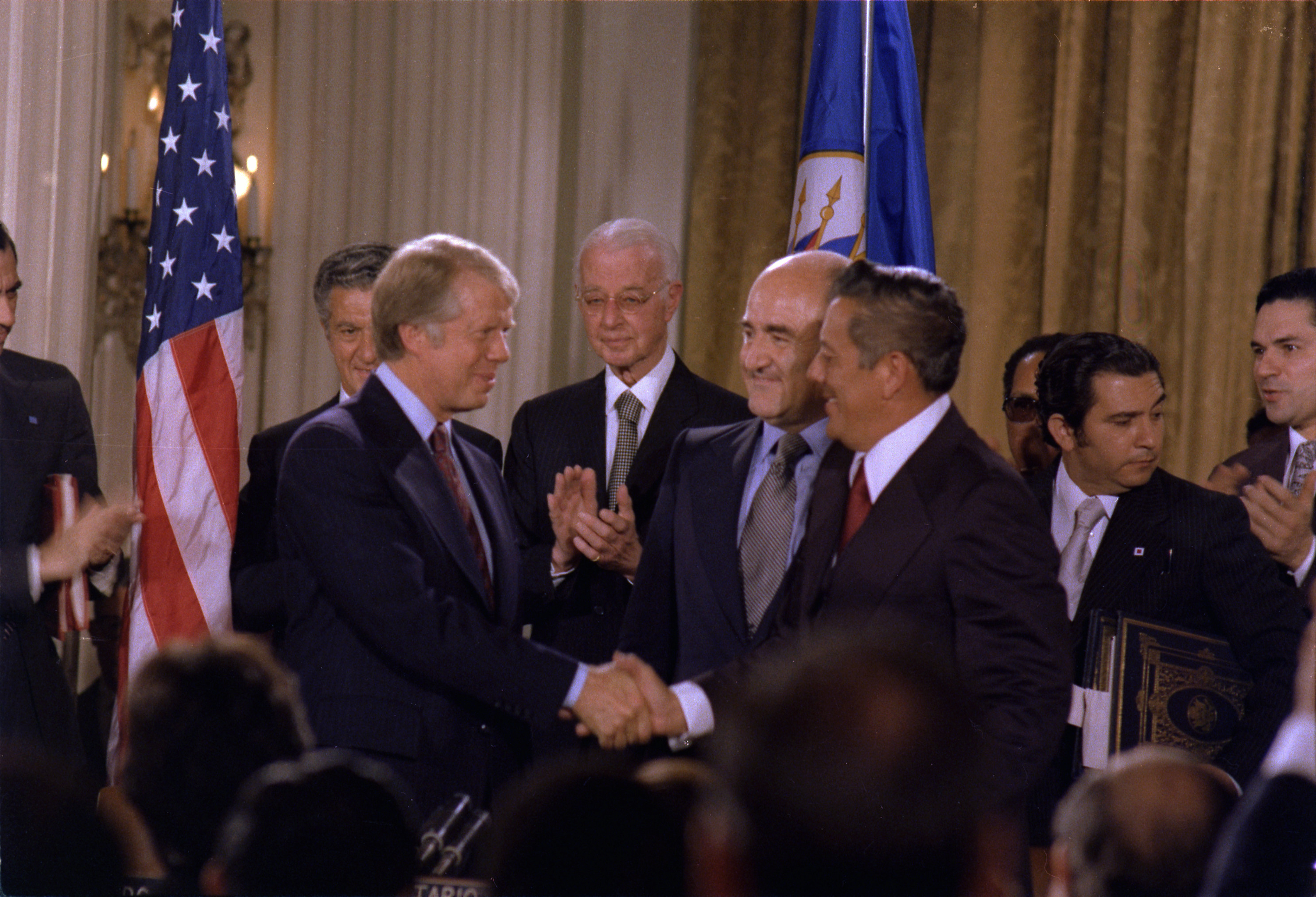
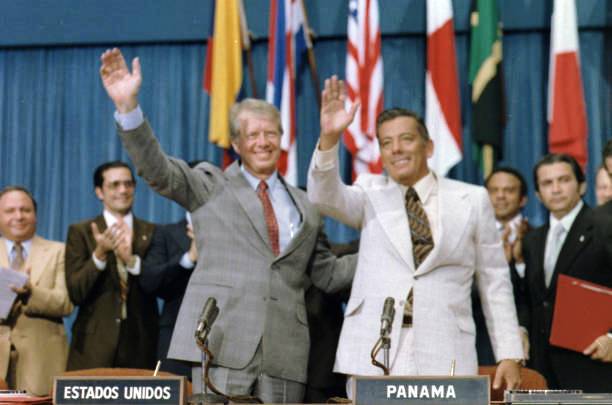
The transfer of the Canal to Panamanian hands was finalized after compliance with the Torrijos-Carter Treaties, signed in 1977, which established the end of US control and the definitive transfer of the administration, operation and maintenance of the Panama Canal. The history of the Panama Canal is marked by decades of sovereignty claims. For much of the 20th century, the presence of the Canal Zone under foreign administration generated social and political tensions.

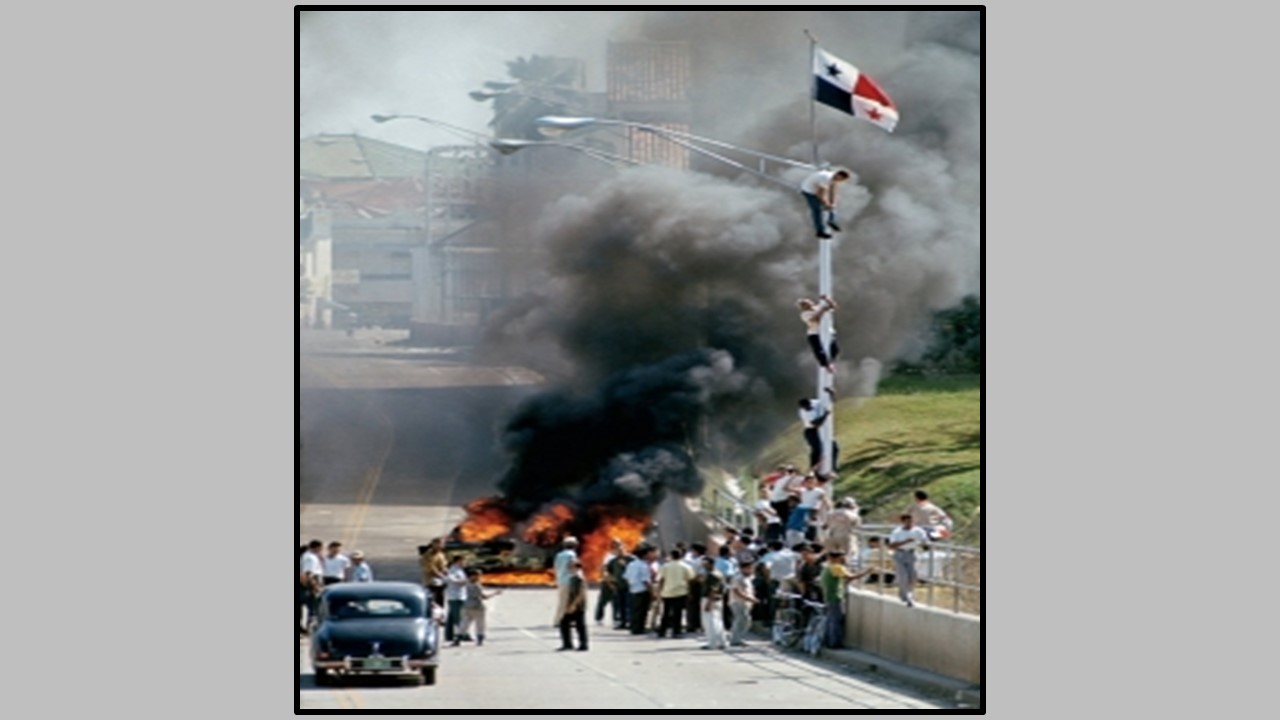
One of the most decisive moments occurred on January 9, 1964, when Panamanian students and citizens protested for the right to raise the national flag in the Canal Zone. These events, known as Martyrs’ Day, spurred the negotiations that years later led to the signing of the treaties that returned the Canal to Panama.
Since Panama assumed administration of the Canal, the interoceanic waterway has undergone a continuous modernization process. The Panama Canal expansion project, approved by referendum in 2006 and inaugurated in 2016, allowed the passage of Neopanamax vessels, strengthening the canal’s competitiveness in international maritime trade.
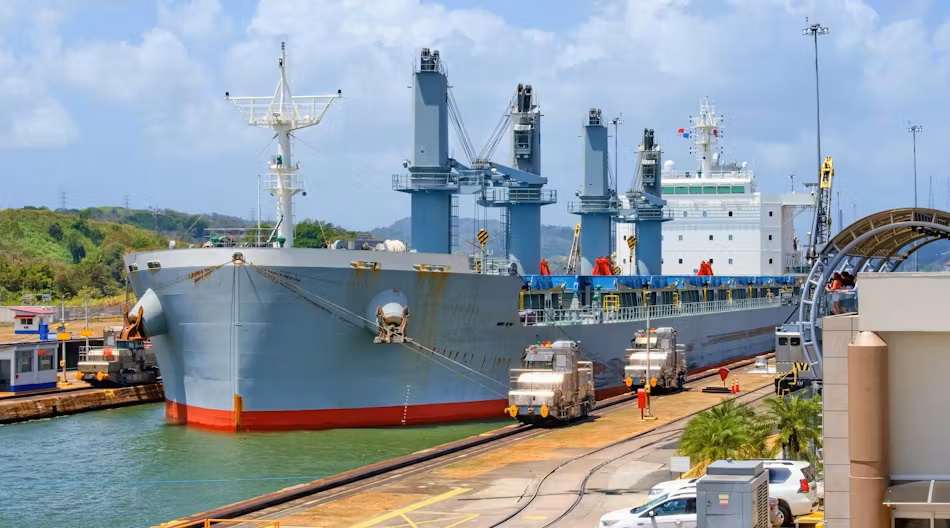
Under the management of the Panama Canal Authority (ACP), the Canal has become one of the country’s main revenue generators, with millions of dollars in contributions to the National Treasury that have been allocated to education, health, infrastructure and social programs. Twenty-six years into Panamanian administration, the Panama Canal remains a cornerstone of the national economy and a strategic asset for global trade. Its efficient operation has positioned Panama as a key international logistics hub.

Currently, the Canal faces significant challenges related to water resource management, climate change, and the evolution of maritime trade, challenges that continue to define its role in the 21st century. Beyond its economic value, the Panama Canal represents a symbol of identity, sovereignty, and national pride. Twenty-six years after Panamanian administration took over, the interoceanic waterway reaffirms its importance as an engine of development and as one of the country’s main strategic assets.
rex_maximum: I was 10 years old and I remember every detail of that day…
deydiskarlina: I was just a little girl when my parents and brother were there. I didn’t know what was being celebrated, or even about me. I’ll never forget the tricolor balloons flying in the sky! We should love our country more, starting with small things like not littering… I❤PTY
prof.ruizmar507: 26 years old, wow! I will always admire our Canal.
https://www.instagram.com/p/DS7gQXrEX0N/?utm_source=ig_embed&utm_campaign=embed_video_watch_again