Panama Smuggling: An Illegal Business that Costs Up To $400 Million a Year
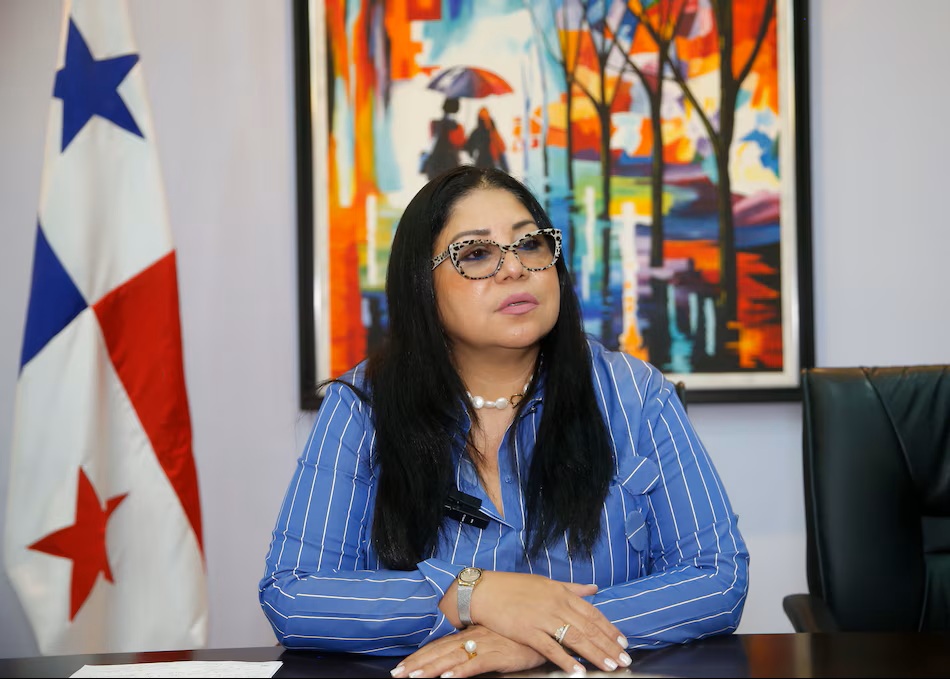
Soraya Valdivieso pictured below, Director General of the National Customs Authority, warns that cigarette smuggling is one of the main ways organized crime finances cigarettes, and that 9 out of 10 cigarettes circulating in the country are illegal.
Panama’s strategic location makes it a major transit hub for various types of smuggling, primarily drugs (especially cocaine), as well as cigarettes, arms, people, and counterfeit goods. The Panama Canal and the remote Darién Gap are key routes exploited by organized crime groups.
Key Aspects of Smuggling in Panama
- Drug Trafficking: This is the most significant smuggling activity. Panama is a critical transit country for cocaine produced in South America, mainly Colombia, bound for North America and Europe.
- Routes: Most drugs arrive via maritime routes along the Pacific and Caribbean coasts, often in “go-fast” boats or concealed within containers on legitimate cargo ships passing through the Panama Canal ports. The city of Colón is a major launching point for shipments to Europe. The Darién Gap, a dense jungle border with Colombia, is also used, although to a lesser extent for bulk shipments.
- Seizures: Panamanian authorities, often in cooperation with international partners like the U.S. Drug Enforcement Administration (DEA), regularly make multi-ton cocaine seizures. Panama seized just under 100 tons of cocaine in 2024 and over 13 tons in a single maritime operation in late 2025.
- Criminal Groups: Foreign criminal organizations, including Colombian and Mexican groups like the Clan del Golfo and the Sinaloa Cartel, operate in Panama, often bribing local officials to facilitate their operations.
- Human Trafficking and Smuggling: Panama is a source, transit, and destination country for human trafficking.
- Migration Routes: The Darién Gap has been a major route for irregular migrants from South America, the Caribbean, and even Asia and Africa traveling north to the United States. Criminal groups profit by controlling access to these trails and extorting migrants along the way.
- Vulnerable Populations: Traffickers exploit women and children in forced labor and sexual servitude, both within Panama and sometimes abroad.
- Enforcement: Authorities and NGOs work to combat human trafficking, but face challenges including resource constraints and the evolving tactics of smuggling networks.
- Other Contraband: The country also sees smuggling of arms, counterfeit goods (like cigarettes and medicines), and money laundering. Panama’s advanced logistics infrastructure, while benefiting legitimate trade, is also exploited by criminals.
Challenges and Responses
Panamanian security forces work with international partners, including the United States, to combat these issues through intelligence sharing, tactical support, and joint operations. However, efforts are often hampered by issues such as:
- Corruption: The infiltration and recruitment of security officials by drug trafficking organizations remains a significant concern.
- Geographic Vulnerabilities: The extensive coastlines and dense Darién jungle are difficult to fully monitor.
- Resource Constraints: Law enforcement agencies sometimes lack the necessary resources and training to conduct consistently effective anti-smuggling operations.
These factors underscore Panama’s complex role in the global landscape of organized crime.