Infrastructure Upgrades Drive Efficiency in Commercial Service Facilities
Demand for Modern Cooling and Dispensing Systems Increases
As commercial service facilities continue to expand in scale and complexity, demand for reliable back-of-house infrastructure is growing steadily. Operators supporting food service, hospitality, and multi-use developments are increasingly prioritizing temperature control and system reliability as part of long-term operational planning.
Industry analysts note that modern facilities require scalable solutions capable of maintaining consistent performance in demanding environments while meeting safety and operational standards.
Temperature Control as an Operational Requirement
In high-traffic service environments, maintaining stable temperatures across distribution systems is critical for efficiency and compliance. Equipment failures or temperature fluctuations can result in downtime, product loss, and increased maintenance costs.
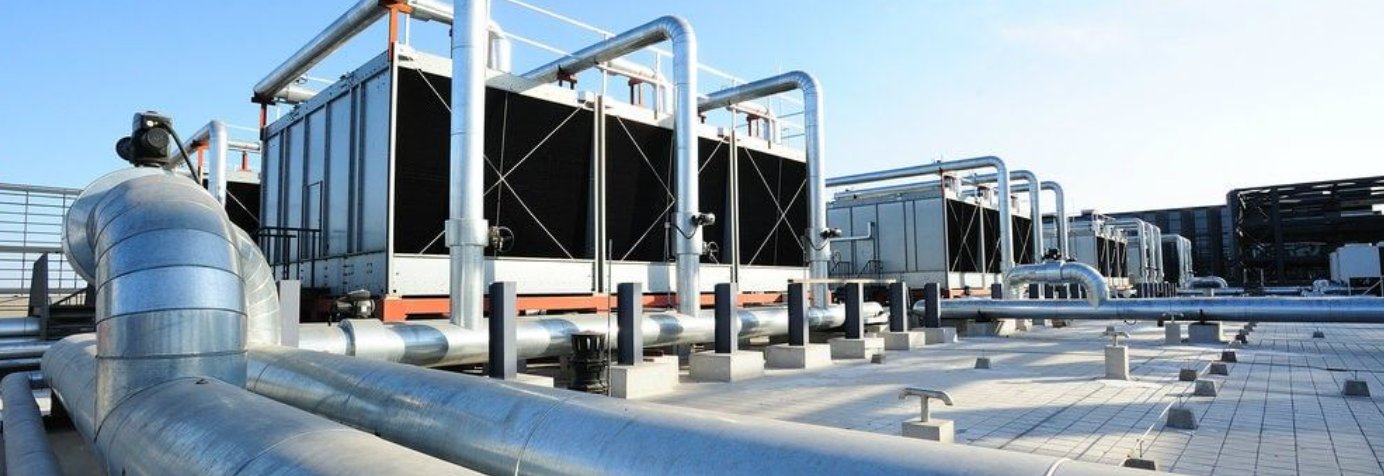
To address these challenges, many operators are turning to centralized cooling solutions such as commercial glycol chillers, which are designed to provide consistent thermal regulation across multiple service points. These systems are widely used in facilities where cooling requirements extend beyond a single room or zone.
Because glycol-based systems support long line runs and complex layouts, they are often selected for commercial developments where equipment rooms are separated from service areas.
Standardization of Installation Components
Alongside cooling equipment, standardization of installation components is becoming a priority for contractors and facility managers. Using compatible, purpose-built parts helps reduce installation errors and simplifies long-term maintenance.
Access to reliable beer tap installation supplies allows technicians to assemble systems that meet pressure, insulation, and safety requirements while supporting future expansion. Proper installation materials also reduce the likelihood of leaks, pressure inconsistencies, and premature component wear.
Supporting Long-Term Facility Performance
Experts emphasize that infrastructure upgrades are not merely reactive improvements, but preventative investments. Systems designed with proper cooling, insulation, and component compatibility typically deliver:
- Lower operational risk
- Reduced service interruptions
- Extended equipment lifespan
- Easier diagnostics and servicing
These advantages support consistent performance as facilities grow and adapt to changing operational demands.
A Forward-Looking Approach to Facility Design
As commercial service environments evolve, reliable mechanical and cooling systems continue to play a critical — though often unseen — role. While not immediately visible to end users, these systems underpin operational continuity and efficiency.
By prioritizing foundational infrastructure today, facility operators position themselves to respond more effectively to future growth, regulatory requirements, and increasing system complexity.