A Challenge for Panama’s Economic Growth in 2026 – Panama’s 2 Faces
Panama’s biggest challenge is to project itself outwards without neglecting the domestic sector of the economy. The example of Costa Rica should be taken into account, which, despite not having an investment grade rating, attracts millions of dollars a year in foreign investment.
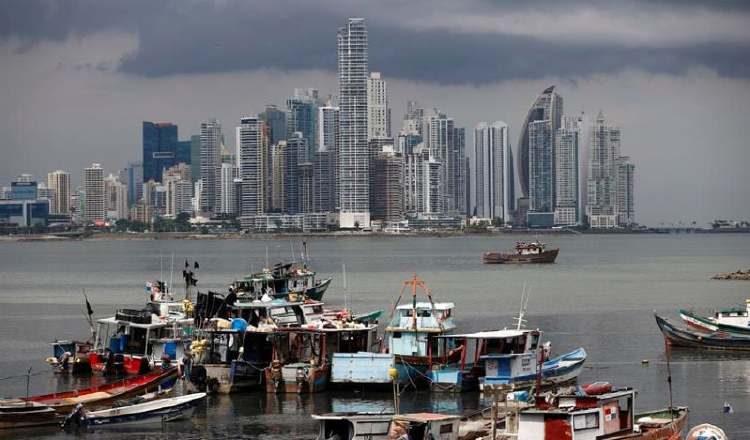
Economic growth projections for Panama next year are stable; the Economic Commission for Latin America and the Caribbean (ECLAC) estimates that the Gross Domestic Product (GDP) will increase by 3.8%, while locally, a 4% boom is expected, based on the results of investment projects to be implemented in the first few months. However, business leaders and economists warn that these figures will only be achieved by restoring investor confidence; therefore, the main objective of the authorities must be to guarantee the security of their funds.
The president of the Chamber of Commerce, Industries and Agriculture of Panama (CCIAP), Juan Arias Strunz, maintains that, although the Panamanian market has the necessary components to attract foreign investment (special laws, democracy, dollarization, among others), what companies will evaluate is its level of credibility, a challenge that has been addressed and where efforts must be redoubled to boost employability and economic growth.
He noted that the discussion and agreements reached at the minimum wage table are a good start to inviting international companies to invest in Panama because it demonstrates that both sectors (workers and employers) can reach consensus, prioritizing the common good and not personal ambitions. He reiterated that the level of confidence offered to the world will determine the growth of key sectors for the economy such as tourism, where there are significant advantages compared to the rest of the region, which must be taken full advantage of by implementing attractive plans so that the more than 19 million passengers who pass through Tocumen International Airport stay in the country, generating income for large and small businesses.
“Panama needs to show the world everything we have and can do; that way we will create a lot of jobs,” he said. Labor consultant René Quevedo agreed with the businessman that the current unemployment figures can be corrected by attracting foreign investment in a clear and secure manner. “Our labor crisis is not about jobs, it’s about confidence; we need to convey the confidence that investing in Panama is good business, and that requires clear rules, stability, and consistency,” he said. He indicated that, although maintaining the investment grade rating of the risk rating agencies is important for the economy, the example of countries like Costa Rica should be taken into account, which, despite not having this rating, attracts millions of dollars a year in foreign investment.
Challenge
Quevedo asserted that Panama’s great challenge is to project itself outwards without forgetting the internal sector of the economy because it is the largest generator of jobs, but it depends on the capitalization of its skills abroad.
The discussion and agreements reached at the minimum wage negotiating table, according to the president of the Chamber of Commerce, Industries and Agriculture of Panama (CCIAP), Juan Arias Strunz, are a good start for inviting international companies to invest in Panama because they demonstrate that both sectors (workers and employers) can reach consensus, prioritizing the common good over personal interests. Unemployment figures provided by the National Institute of Statistics and Census (INEC) place it at 9.5%, and it is expected to reach double digits in the coming months, one of the highest rates in 20 years. Authorities estimate that the country’s economic growth in 2026 will be 4%.