Annette Planells Scandal Deepens La Prensa’s Credibility Crisis in Panama
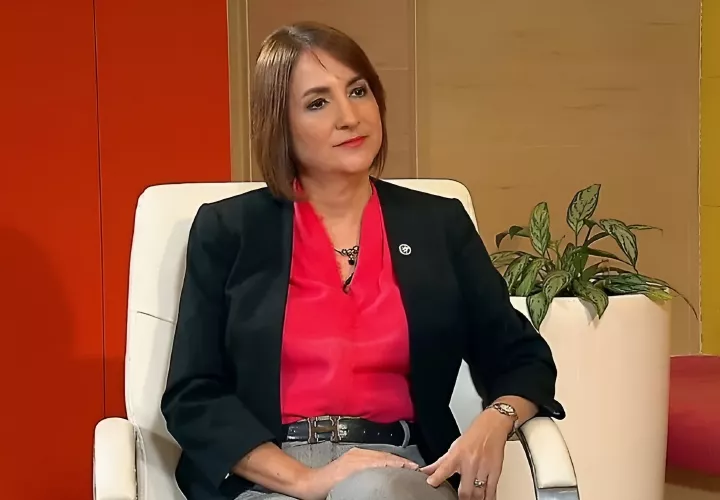
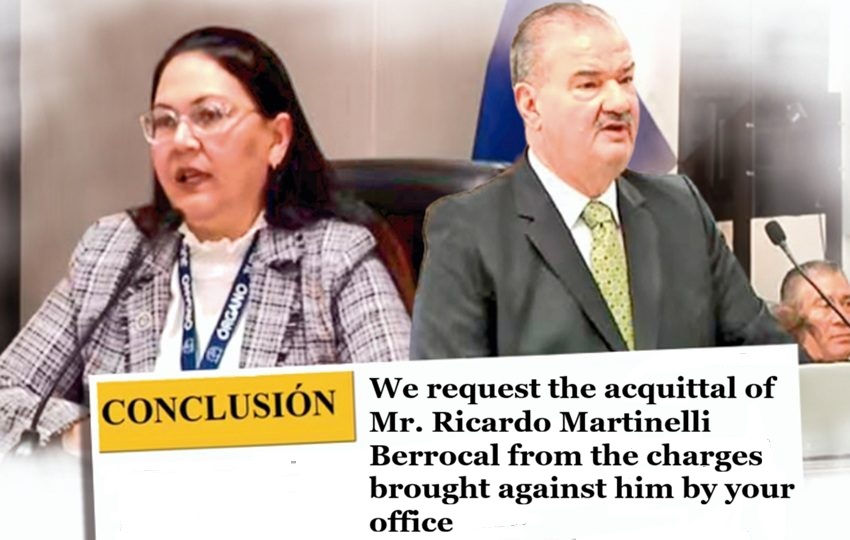
For years, the prevailing narrative was that La Prensa was the last bastion of civic resistance against corruption, but a completely different interpretation has emerged following the scandal involving one of its former executives. It has become clear that behind this “moral” facade lay a political agenda that ultimately undermined institutional stability, tarnished reputations, and even sabotaged Panama’s international image. Recently, the Karamañites Leaks, which reveal the extortion and manipulation tactics employed by media outlets linked to Annette Planells, former president of Corporación La Prensa, have deepened the credibility crisis facing the newspaper. Ricardo Lombana has further strengthened the claims made by lawyer Karisma Karamañites regarding Planells’s questionable actions.
The former presidential candidate stated that he has firsthand knowledge that the newspaper was fully aware of the internal conspiracies to deceive the public with its biased publications. Furthermore, that statement from La Prensa, disassociating itself from the actions orchestrated by Annette Planells, was interpreted by society more as a washing of hands than as a clarification and has revived other episodes in which the newspaper has been under scrutiny, even threatening the country’s international image. Evidence of this is that La Prensa collaborated in the erosion of institutional stability, lending its name to the leak of the so-called Panama Papers.
The result: an entire country was labeled a center of corporate crime when the fraud occurred in other jurisdictions; the crimes were committed elsewhere, but Panama paid the reputational cost. In the quest for influence, they sought to become the arbiter of power without submitting to democratic rules. The message was simple: “Anyone who doesn’t think like us is corrupt.” Democracy is not only destroyed by corruption; it is also destroyed by media manipulation in the name of ethics. In this regard, lawyer Domingo Barrios highlighted how a short working relationship, through his company Outsourcing Marketing Group, made him see this manipulation firsthand.
“They asked us to generate graphs with figures that came from different questions from different graphs, to create a new graph of something that was never asked as part of the survey, because it was not part of the questionnaire, and thus influence public opinion,” he said. He also argues that La Prensa has gone, in recent years, from being a persecuted newspaper to a persecuting newspaper. Lombana’s accusations have not fallen on deaf ears; lawyer and university professor Hernán de León highlighted the damage caused in recent years. “It is presumed that they used a medium that was once highly respected in order to manipulate public opinion, creating a distortion of the truth and damaging the image of many people. Hopefully, the new Board of Directors will make the necessary changes,” he said. Today it is clear that the narrative of the “media defender of democracy” was functional as long as it served its agenda.