Panama’s Indigenous Authorities Ask to Reconsider the Temporary Closure of Escudo de Veraguas Island
Representatives from local and regional congresses stated that the resolution was “unilateral and harmful,” and warned that it will directly affect the economic activities that guarantee the livelihood of indigenous communities settled in the area.
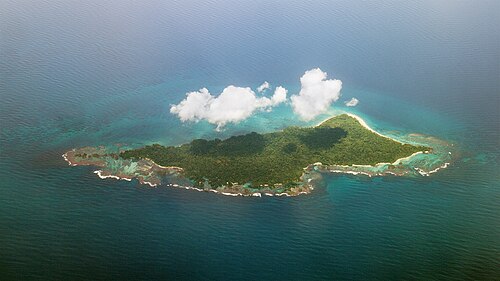
The traditional Indigenous authorities of Ñokribo declared a state of alert following the recent decision by the Ministry of the Environment (MiAmbiente) to suspend all activities on Escudo de Veraguas Island, located in the Panamanian Caribbean. The leaders requested that the government reconsider the measure, given the potential economic impact on small-scale farmers and residents of the area. Representatives from local and regional congresses stated that the resolution was “unilateral and harmful ,” and warned that it will directly affect the economic activities that guarantee the livelihood of indigenous communities settled in the area.
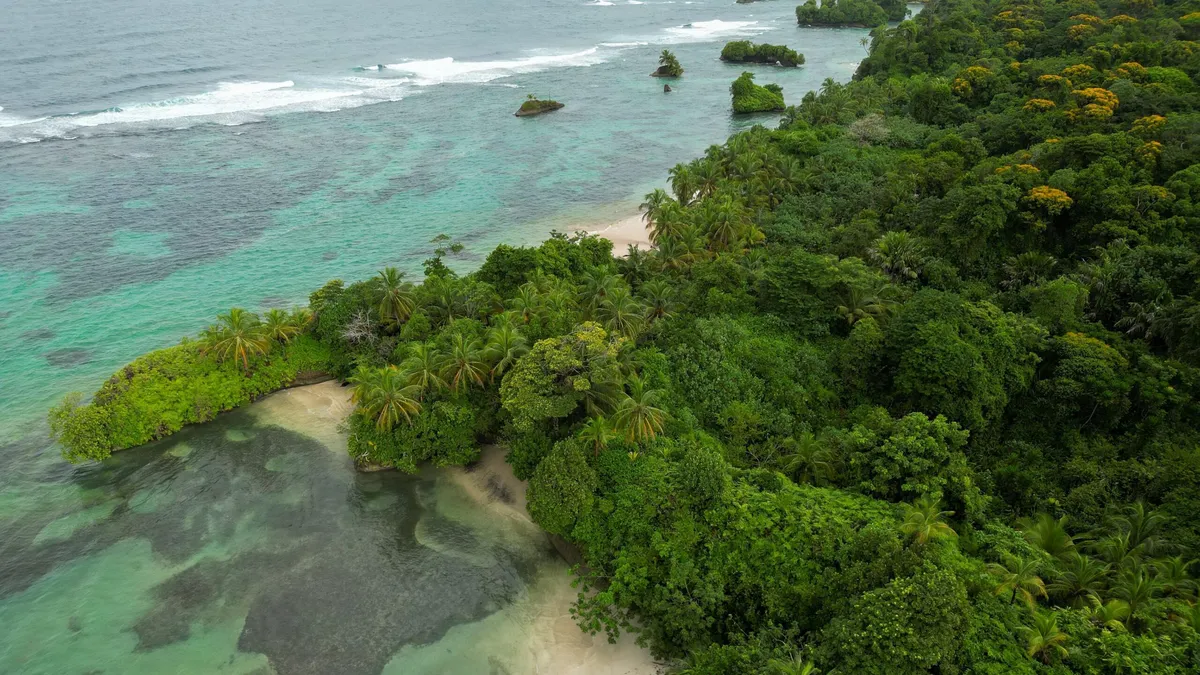
The measure is supported by Resolution DM-0489-2025 , through which MiAmbiente ordered the temporary closure for one year of the Isla Escudo de Veraguas–Degó Protected Landscape , with the objective of ensuring the conservation of marine and terrestrial ecosystems , as well as the protection of endemic species in critical danger of extinction. MiAmbiente justified the decision by stating that the closure is due to environmental damage and recent disorder observed at the site, which has been declared an indelible public asset and national historical heritage site since 2002. During the restriction period, all tourist, fishing, recreational, navigation and construction activities will be suspended, as well as any exploitation of natural resources.

Only scientific, corrective, cleanup, environmental restoration, monitoring, or control activities will be permitted with prior authorization from the National Directorate of Protected Areas and Biodiversity. A technical report prepared in October 2025 documented multiple irregularities within the protected area. These include solid waste deposits, deforestation, illegal construction on mangrove areas, fishing of protected species such as the Caribbean lobster (Panulirus argus) and the conch (Strombus spp.), as well as the use of gillnets and other unsustainable fishing gear. The communities have insisted on the need for urgent dialogue with environmental authorities to find alternatives that allow for the protection of the ecosystem without compromising the economic sustainability of indigenous peoples.