Managing Credit Utilization
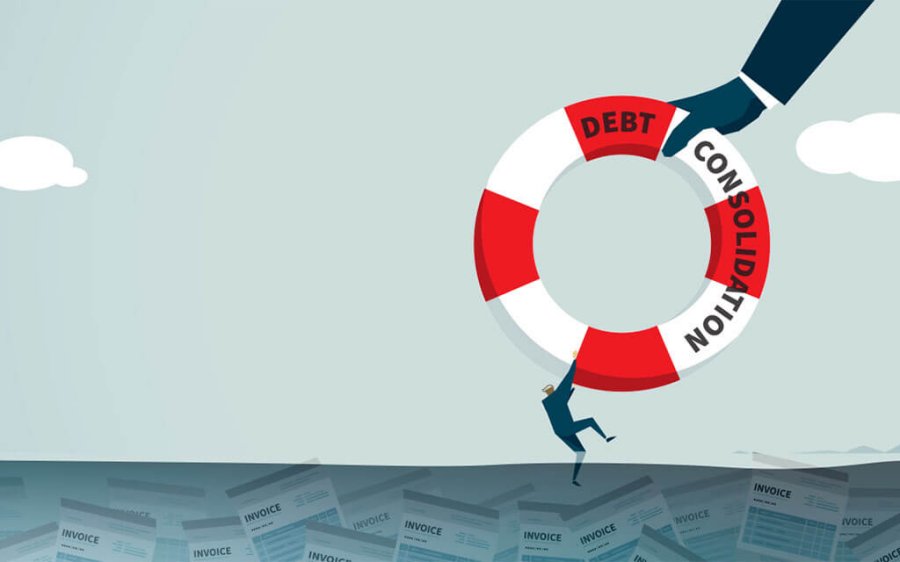
Managing credit utilization is one of the most overlooked yet powerful ways to improve your financial health. Many people focus on paying bills or increasing income but forget that how much credit you use compared to how much you have available plays a major role in your overall credit profile. Credit utilization isn’t just a number; it reflects how responsibly you manage debt and how much financial flexibility you have. And while large amounts of debt can feel overwhelming, there are practical steps—like debt consolidation—that can help you regain control, simplify payments, and improve your utilization ratio over time.
Understanding Credit Utilization
At its core, credit utilization measures the percentage of your available credit that you’re currently using. For example, if you have a total credit limit of $10,000 and a balance of $2,500, your utilization rate is 25 percent. Lenders typically prefer to see utilization below 30 percent, though staying closer to 10 percent can help you earn higher credit scores.
A low utilization rate signals to creditors that you’re managing your debt wisely and not relying too heavily on borrowed money. A high utilization rate, however, can make it seem like you’re struggling financially—even if you pay your bills on time. This is why understanding and actively managing your utilization is essential for long-term credit health.
Pay Balances on Time and in Full
The most effective strategy for managing credit utilization is simple: pay your balances on time and in full each month. This not only prevents interest from piling up but also ensures that your utilization rate resets to zero when your billing cycle ends.
If paying in full isn’t always possible, aim to reduce your balances before your statement closes, since that’s when most lenders report your credit usage to the major credit bureaus. Making a mid-cycle payment can lower the reported balance and improve your utilization percentage almost instantly.
Timely payments also build positive credit history, which works hand in hand with low utilization to strengthen your overall credit score. According to the Consumer Financial Protection Bureau, payment history and amounts owed together account for a large portion of your credit score—meaning these habits can make a significant impact.
Spread Out Your Charges
If you have multiple credit cards, spreading purchases across them can help prevent any single account from showing a high utilization rate. For example, instead of putting $1,000 on one card with a $2,000 limit, divide the charges between two cards with higher combined limits. This keeps each card’s individual utilization lower, which can improve your overall credit score.
This strategy is particularly useful for those who regularly use credit cards for everyday expenses. By managing spending across several accounts, you’re essentially giving yourself more breathing room within your total credit capacity.
Request Credit Limit Increases
Another smart way to lower your utilization ratio without changing your spending habits is to request a credit limit increase. A higher limit means that the same balance will take up a smaller percentage of your available credit. For instance, if your balance remains $1,000 but your limit increases from $3,000 to $6,000, your utilization drops from 33 percent to about 17 percent.
Credit card issuers often review accounts periodically and may approve limit increases automatically if your payment history is strong. However, you can also request one manually. Just be sure that your financial situation supports it and that you won’t be tempted to increase spending as a result.
Keep Older Accounts Open
Your credit history length plays a key role in your credit score, and closing older accounts can unintentionally raise your utilization rate by lowering your total available credit. Even if you no longer use an old card frequently, consider keeping it open—especially if it has no annual fee.
Maintaining older accounts helps preserve both your credit history and your overall credit limits. Just make small periodic purchases to keep them active, then pay them off right away to maintain a positive track record.
Make Multiple Payments Each Month
Credit utilization is often calculated at the time your lender reports your balance to the credit bureaus, not necessarily when you pay it off. Making multiple smaller payments throughout the month can help you stay ahead of your reported balances.
For example, if you know you’ll spend $500 this month, consider making two $250 payments instead of one. This keeps your reported balance lower and ensures your utilization ratio stays within an ideal range. It’s a small change that can have a big impact over time, especially if you use your credit cards frequently.
Monitor Your Credit Regularly
Keeping tabs on your credit reports helps you stay aware of changes in your utilization and identify areas for improvement. Free credit monitoring tools can alert you when balances increase or limits change, giving you the opportunity to act quickly before your score is affected.
It’s also a good idea to review your credit report for errors that could inflate your utilization ratio. Incorrect balances or closed accounts still showing as open can distort your credit profile. The Annual Credit Report website allows you to access free reports from each major bureau, helping you ensure accuracy and accountability.
When to Consider Debt Management Options
If your credit cards are consistently near their limits or minimum payments are becoming overwhelming, exploring debt solutions may be worthwhile. Consolidating high-interest debts into one manageable payment can lower your overall utilization by reducing balances across multiple accounts. It also simplifies repayment, helping you stay consistent and avoid missed payments that can damage your score.
While consolidation isn’t a quick fix, it can be a strategic tool for regaining balance and improving long-term financial stability.
Building a Healthier Financial Future
Credit utilization management is about more than just maintaining a good score—it’s about creating a sense of control and confidence over your finances. By paying on time, managing balances strategically, and keeping credit accounts active, you build a financial foundation that supports both short-term flexibility and long-term growth.
Ultimately, your credit utilization tells a story about your relationship with money. By keeping that story balanced, disciplined, and intentional, you ensure that your credit works for you—not against you—on your path toward lasting financial well-being.