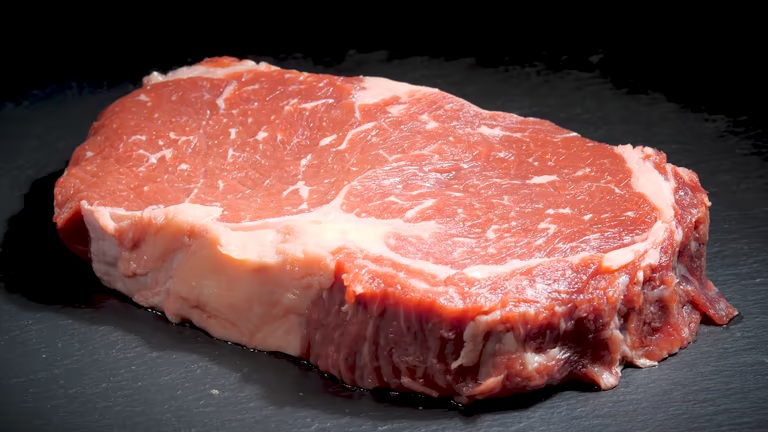
Premium and Choice Beef from Paraguay Will Now be Regularly Imported to Panama
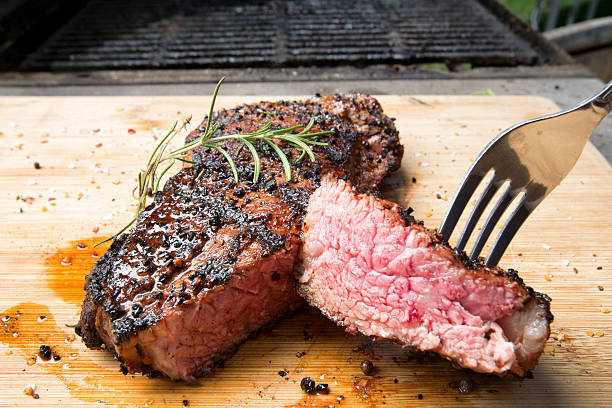
Between January and July, 1,437.12 tons of frozen beef, mainly premium cuts, entered the country for various uses. The meat imports will include premium cuts like New York for restaurants, specialty supermarkets, hotels, and fast food outlets.
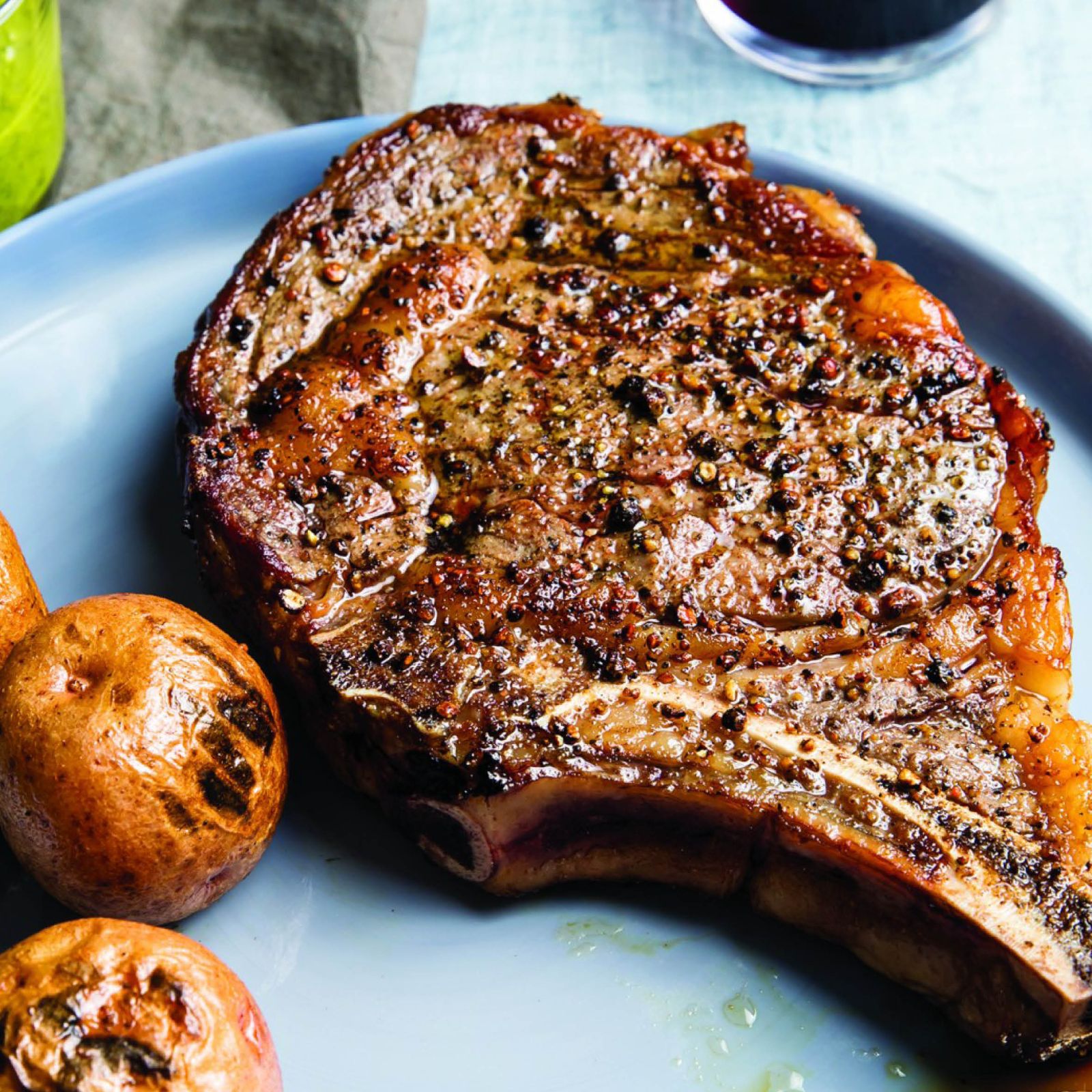
The Panamanian Food Agency (APA) clarified that the recent authorization to import beef from Paraguay is limited exclusively to premium and choice boneless beef cuts, intended for a specific segment of the Panamanian market. According to the organization, this measure responds to specific requests from importers and does not directly compete with domestic beef production. “It will not affect the development or marketing of local livestock,” the APA reiterated.
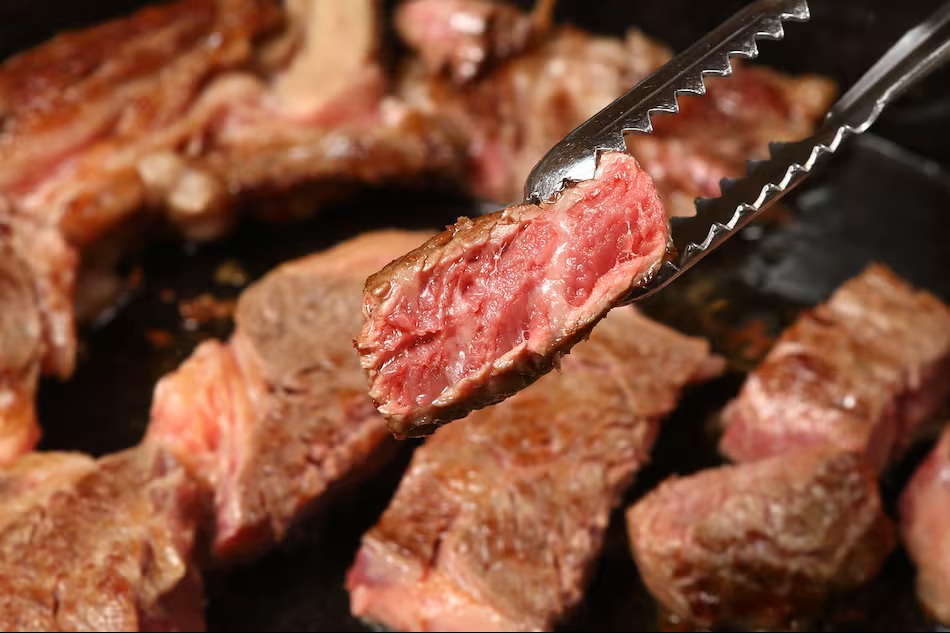
Alberto E. Paz-Rodríguez, director of the Panamanian Food Agency (APA), added that these are cuts of meat used by restaurants and hotels such as NewYork, Ribeye, and others with small volumes. He explained that 78 tons have arrived from Argentina and do not affect or compete with domestic production. “These are expensive products; they don’t compete with domestic production. They’re aimed at supermarkets, restaurants, and some are shortlisted for hamburger and fast food manufacturing,” Paz-Rodríguez said in an interview.
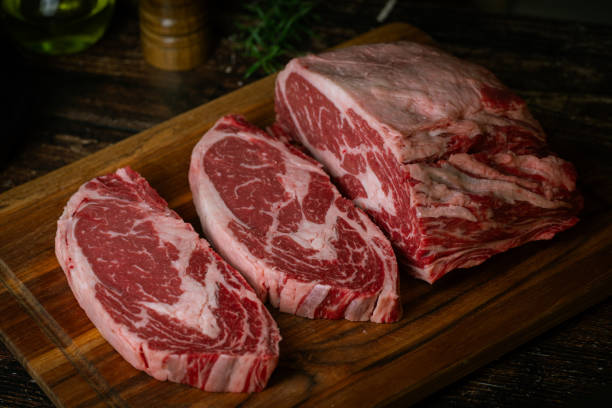
According to APA statistics, 1,437.12 metric tons of frozen beef in various forms and cuts were imported from January to July. In a statement issued by the APA, it is indicated that the authorization meets the animal health eligibility requirements for the importation of these products and is in addition to permits already in force for countries such as Argentina and Uruguay, which are currently allowed to export the same cuts to Panama.
They also confirmed that the Paraguayan processing plants eligible to participate were evaluated and approved after completing technical and documentary verifications coordinated with the relevant authorities. The APA maintained that it will maintain transparency and strict compliance with established protocols to guarantee the safety and quality of food entering the country.