
The 2026 Prisoner Transfer to Coiba, Panama.
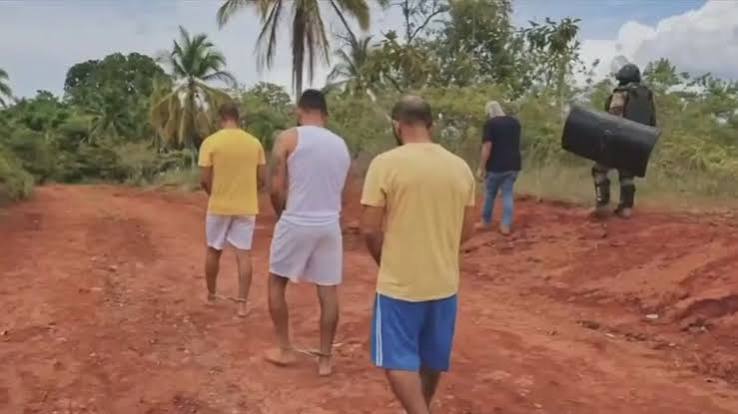
Back in June 2026, the Panamanian government quietly transferred 29 high-risk prisoners primarily gang leaders and individuals heavily tied to international drug trafficking to the Teniente Nelson Tenas naval station located on Coiba Island inside Coiba National Park. Then, an additional 3 prisoners were transferred the following month. The decision of moving prisoners back to Coiba marked a controversial return to the island’s dark history as a penal colony, which originally operated from 1919 until its permanent closure in 2004.
President José Raúl Mulino, defended the decision by citing severe vulnerabilities at the Punta Coco extreme-security prison, where inmates were allegedly continuing to coordinate criminal operations on the mainland. The government selected the SENAN naval base on Coiba because it features highly trained anti-narcotics forces and high-tech equipment capable of completely neutralizing communication and illegal activity.
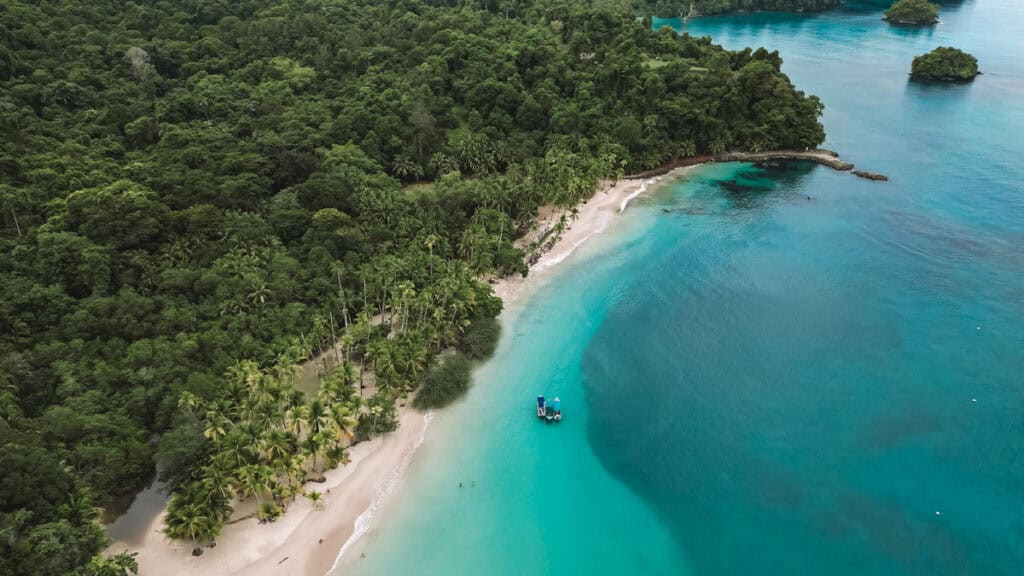
UNESCO and Environmental Backlash
The reactivation of prison operations drew sharp criticism from scientists, lawmakers, and human rights advocates. Panama’s National Ombudsman issued a stern warning that reopening a penitentiary facility on Coiba directly threatened its status as a UNESCO World Heritage Site.
When Coiba National Park secured its UNESCO designation in 2005, a fundamental pillar of Panama’s commitment was the permanent closure of the old penal colony. Critics argued that establishing a permanent guard presence, building new infrastructure, and managing waste for a prison population violates the legal frameworks protecting the island’s delicate marine and terrestrial ecosystems.
Panama’s Ministry of the Environment (MiAmbiente) stated that transforming Coiba into a permanent penitentiary complex was illegal. Any permanent infrastructure development was ruled out to protect the ecosystem. Inmates remain confined strictly within pre-existing structures at the Teniente Nelson Tenas naval air station.
The ministry noted that the naval station facilities predated the park and remained under the custody of the Servicio Nacional Aeronaval. It added that it would carry out periodic inspections and that the natural heritage has not been impacted by the transfer itself.
The primary change has been the suspension of tourist visits to the historic, decaying old prison ruins due to the security perimeter and ongoing park rehabilitation works. Despite pushback from local environmental groups and scientists, the Vice Minister of Environment announced that monitoring has shown no adverse impacts on local marine life, fisheries, or scientific studies as a result of the naval station containment.
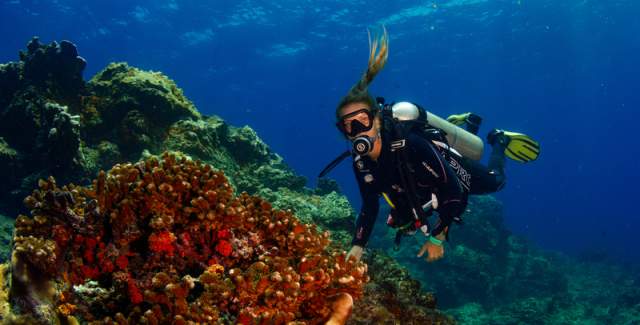
Local tour operators continue to operate with day trips, snorkeling, and scuba diving excursions. The prisoners are isolated within the heavily guarded naval base, entirely separate from the standard tourist beaches and biological stations.
To date, Coiba National Park remains a UNESCO World Heritage Site.