Why Your Water Heater Makes Noise: Every Sound, Explained
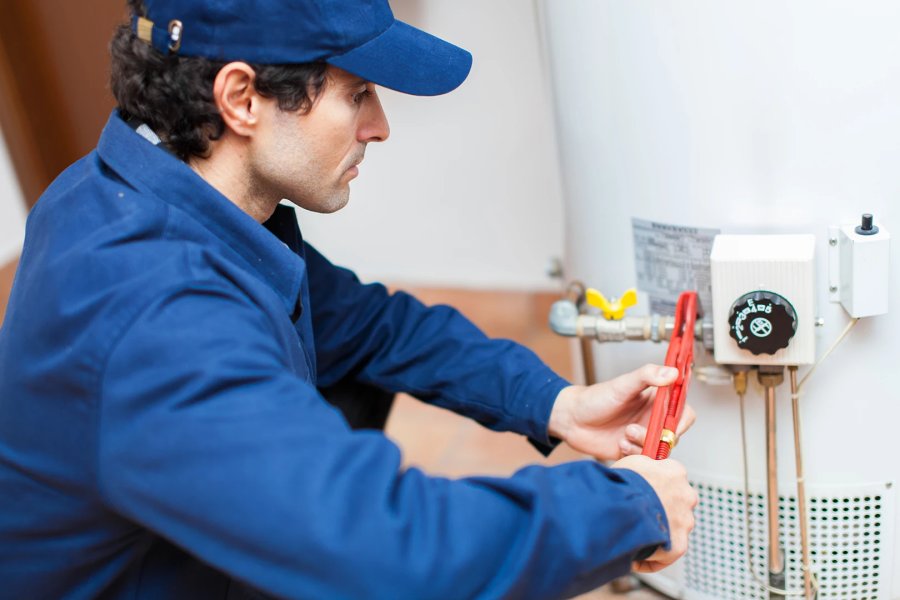
Your water heater should be the quietest appliance in your house. So when it starts clanking, hissing, or popping like a bowl of Rice Krispies, it’s not just annoying. It’s your tank trying to tell you something. Here’s the good news: most water heater noises are fixable, and many of them won’t cost you a dime if you catch them early. The bad news? Some sounds mean your tank is on its last legs, and ignoring them can lead to a flooded basement at the worst possible moment.
This guide walks through every common water heater sound, what causes it, and exactly what to do about it. By the end, you’ll know whether to grab a wrench or grab your phone.
Why You Need a Water Heater Sound Chart
You don’t need to be a contractor to diagnose your own tank. Each noise follows a pretty predictable pattern, and the pattern tells you what’s wrong inside. Think of your water heater as a five-foot-tall metal cylinder that heats water from the bottom up. Sediment settles at the base, heating elements work overtime, and water expands as it warms. When any of those processes get interrupted, you get noise.
I’ve talked to plenty of homeowners who thought their tank was about to explode, only to find out the fix was a simple flush. I’ve also seen people ignore a quiet rumbling for months, then pay for a full replacement. So let’s sort the harmless from the urgent.
Knocking or Banging Sounds
A loud knock or bang that happens shortly after the burner kicks on is one of the most common complaints. It usually sounds like someone is tapping the side of the tank with a hammer, a few times in a row.
Here’s what’s happening: sediment, mostly calcium and magnesium, has built up on the bottom of the tank. When the burner fires, that sediment traps water underneath it. The water boils, turns to steam, and bubbles up through the sediment with a loud pop or knock. It’s basically a tiny steam explosion happening over and over.
You’ll notice this more in areas with hard water. If you’ve never flushed your tank, check the valve at the bottom. In fact, the ENERGY STAR program recommends annual maintenance as a baseline for keeping appliances efficient. If you pull the drain valve and get a thick, sandy discharge, sediment is your culprit.
The fix: drain and flush the tank. If you’ve never done it, watch a couple of videos first. It’s a safe, DIY job for most people. If the knocking continues after a thorough flush, the sediment may have hardened into a solid layer that needs professional removal.
Rumbling That Gets Louder Over Time
Rumbling is the sound people describe as “my water heater sounds like it’s going to take off.” It’s a deep, continuous growl, not a sharp knock. This is the sound of sediment, but a lot more of it.
Think about it this way. A thick sediment layer acts like insulation between the burner and the water. The burner has to work harder to heat the same amount of water, which makes it run longer and hotter. The water at the very bottom of the tank starts to boil and steam, creating that rumbling vibration.
Here’s where the Environmental Protection Agency data on water hardness is worth noting. Areas with hard water put more scale into your tank, period. If you live in one of those regions and you’ve never addressed it, your rumbling is just a symptom of years of buildup.
An annual flush usually fixes this before it starts. But if the rumbling has been going on for months, flush it now, then plan to do it again in six months. If the noise comes back quickly, you may need a professional to descale the tank more aggressively.
Sizzling or Hissing Sounds
A sizzle from inside the tank is different from a hiss coming from the top. Let’s cover both.
If the sizzle seems to come from inside, it’s condensation dripping onto a hot burner or heating element. This is common with gas water heaters when the tank is cold and the burner first lights. It usually lasts only a few minutes and stops once the tank warms up. Harmless, and no action needed.
If the hissing is steady, or if it’s coming from the top of the tank where the pressure relief valve sits, that’s a different story. A continuous hiss near the pressure valve could mean the valve is leaking steam and releasing pressure. That valve exists to prevent your tank from building up dangerous pressure, so this needs attention. According to the Occupational Safety and Health Administration, unchecked pressure in hot water systems is a serious safety concern, and it’s not something to test by hand.
My advice: if you hear hissing near the top of the tank, turn off the power or gas supply and call a plumber. Leaking pressure valves are not a DIY fix.
High-Pitched Whistling or Whining
Whistling from a water heater means water is forcing its way through a narrow opening. You usually hear this when water flows into the tank, especially during or right after a hot water draw.
The most common cause is a partially closed shutoff valve on the cold water supply line. The valve restricts flow, and the water screams through the gap. Go look at the pipe above your water heater. If the handle isn’t fully open, turn it counterclockwise until it stops. That fixes most whistling instantly.
If the valve is already fully open, the restriction is probably inside the tank. A buildup of scale around the inlet dip tube can narrow the passage. That one needs professional attention because it requires opening the tank.
Popping That Happens Constantly
Frequent popping is the older sibling of the knocking sound. If your tank pops every few seconds while it heats, the sediment layer is thick enough that steam bubbles are constantly forming and escaping. This is very common in tanks that are eight years old or older and have never been flushed. That’s precisely why so many service calls for emergency plumbing repair start with a noise complaint that turned into a leak.
Here’s what you should do: commit to a flush this weekend. Not next month, this weekend. Sediment doesn’t just make noise. It causes the bottom of the tank to overheat, which weakens the metal over time. Enough of that, and the tank will eventually rust through and leak.
If the popping stops after the flush, you’re in the clear. If it doesn’t, or if you notice any moisture around the base of the tank, call a pro. A leaking tank is a replacement job, and waiting too long puts your whole basement at risk.
Clicking Sounds When the Burner Ignites
Hearing one or two soft clicks when your gas water heater fires up? That’s the electronic igniter doing its job. Totally normal. But if the clicking continues for several seconds and the burner doesn’t light, the igniter may be failing or dirty. That’s a quick, inexpensive repair for a technician, and trying to fix gas components yourself is a risk you don’t need to take.
With electric water heaters, a persistent clicking sound is rarer. It points to a failing upper heating element or a loose wire connection. Either way, you’re dealing with electrical components, and that’s a job for someone licensed.
Gurgling Noises After a Hot Water Draw
That bubbling or gurgling sound after you drain a bathtub or finish a long shower? It’s air in the tank. When hot water leaves the tank, cold water enters and heats up, releasing dissolved gases. Those gases can collect and gurgle as they escape. It’s usually brief and harmless.
But if the gurgling is constant, or if it’s accompanied by sputtering from your faucets, you may have a different problem. Air entering the system could mean a failing dip tube or a leak in the cold water supply line that’s sucking in air. Both need professional diagnosis.
An Action Plan: What to Do Right Now
You don’t have to be an expert to protect your tank. Do this today:
- Identify the sound: is it knocking, rumbling, hissing, whistling, popping, or clicking?
- Check where it comes from: the bottom, the top, or the pipes feeding the tank.
- Look for moisture: any water on the floor means you’ve moved from maintenance to repair territory.
- Flush the tank if the sound is sediment-related and the tank looks clean and dry outside.
- Check your cold water shutoff valve is fully open if you hear whistling.
If you do flush and the noise persists, or if you see any water pooling, you’ve crossed from “manage it yourself” into “call a professional” territory. That’s the moment to search for urgent plumbing repair services and get someone out before a slow leak becomes a flood. Our own tank started rumbling last winter, and a simple flush bought us two more years of quiet operation before we replaced it on our own schedule, not the tank’s.
The Bottom Line on Noisy Water Heaters
Nuisance sounds from your water heater are almost always a warning, not a death sentence. Sediment buildup causes most of them, and a yearly flush prevents nearly all of it. But that window closes if you wait too long, and the failure is rarely quiet.
Set a calendar reminder to flush your tank twice a year if you live with hard water, once a year otherwise. Listen for changes. A tank that’s suddenly louder than it was last month is telling you the sediment layer is growing. Address it while it’s a chore, not a crisis.
So, what’s your water heater telling you right now?