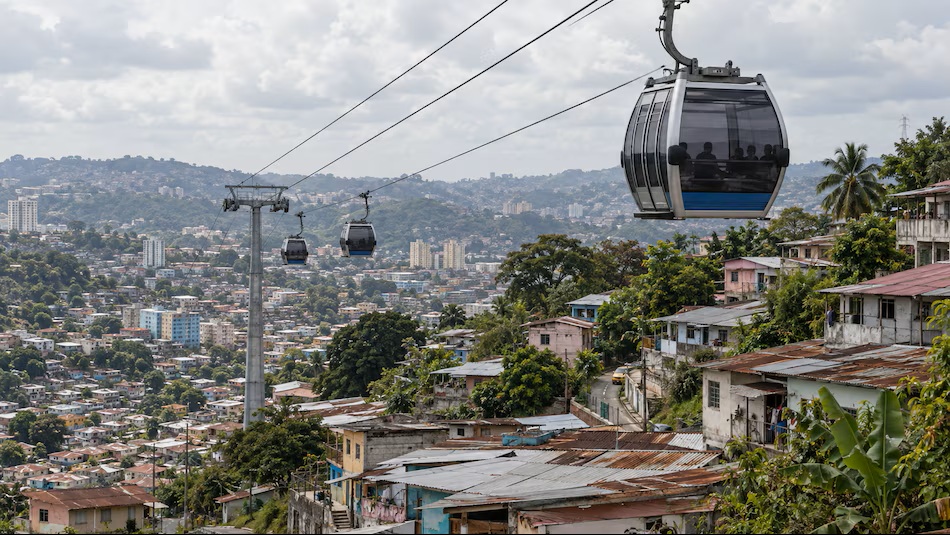
Panama’s Azuero Could Have Drinking Water Before December According to IDAAN.
Antonio Tercero González, director of IDAAN (the National Water and Sewerage Institute), said that new tests are being conducted on the water of the La Villa River and that he expects Azuero to have potable water again before December. The region has been affected by the crisis for 15 months.
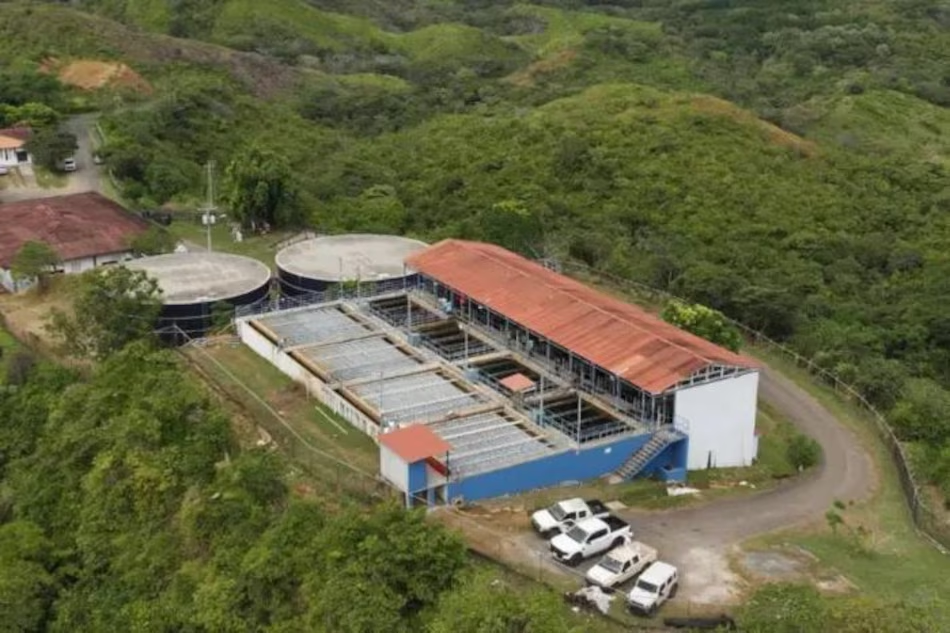
Azuero could have drinking water back in the taps before December, although the National Institute of Aqueducts and Sewers (Idaan) still does not have a definite date to restore the service. This was reported by Antonio Tercero González pictured below, director of IDAAN, in an interview given this Monday to the program 180 Minutos, of Radio Red, in which he addressed the water crisis that has affected Herrera and Los Santos for 15 months.

“That’s what I’m working towards, so that it happens before December,” González responded when asked if the residents of Azuero could receive drinking water before the end of the year. The official explained that further tests on the water from the La Villa River still need to be completed. He noted that about two weeks ago, US specialists analyzed both the raw and treated water, while experts from Israel will arrive in October to conduct additional tests. With the results of these studies, IDAAN will be able to establish a probable date to restore the drinking water supply to the La Villa River.
The Lack of Water Also Affects the Taps.
The crisis is no longer limited to water quality. Decreased rainfall is also affecting the availability of this resource in several communities. González explained that the El Niño phenomenon is affecting the so-called dry arc of the country and has reduced the yield of some wells that historically supply the population. In Herrera, for example, some wells have registered a decrease of up to 43% in their performance. According to the director of IDAAN, rainfall in this area is currently more sporadic: intense downpours can occur in one spot while nearby areas remain dry for several days. This hinders the replenishment of groundwater.
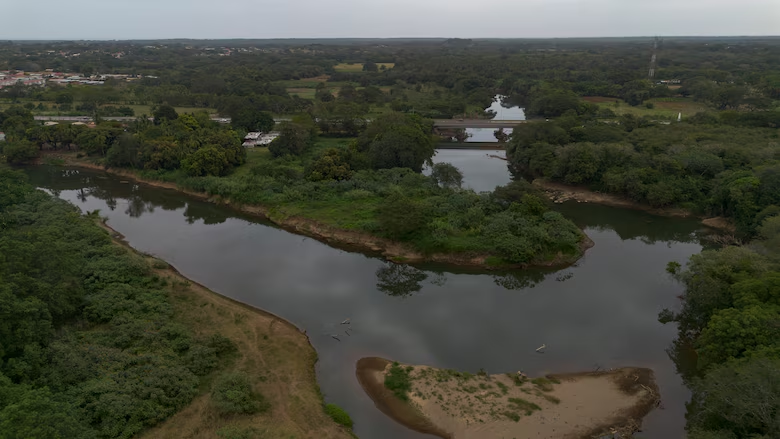
The La Villa River basin is the most important in the Azuero region.
This situation, coupled with the limitations of the water treatment plants, is causing the supply to be inconsistent in different sectors of Azuero. The entity is using water tankers to supply hospitals, schools, and other facilities that require water.
Roberto Reina is Awaiting Endorsement.
While the return of drinking water is being defined, projects to improve existing infrastructure are also progressing. González reported that on June 4th he awarded the Roberto Reina water treatment plant project in Chitré, in addition to works related to the pipelines and other components of the Rufina Alfaro water treatment plant system. The order to proceed has not yet been issued because the contract is pending endorsement by the Comptroller General of the Republic. The official explained that the international contractor took about 30 days to deliver the required apostilled documentation during the review process. Once the endorsement is complete, IDAAN will be able to issue the order to proceed. In the case of Rufina Alfaro, the awarded contract includes improvements to the pipelines, storage facilities and pumping stations to improve the supply to Las Tablas and Guararé. The rehabilitation of the plant and the raw water intake will be subject to a subsequent tender.
In Los Pozos, Herrera province, the situation is different. González explained that the wells in the area are practically depleted, so the alternative will be to use water from the El Gato River through the new water treatment plant built to supply Los Pozos, Los Cerritos, and San José. The plant could be inaugurated in early September, according to the official. Before the water supply can begin, 21 days of testing by a certified laboratory must be completed. The results will be sent to the Ministry of Health, which will determine if the water is safe for human consumption. Meanwhile, the community’s water supply continues via tanker trucks. The Azuero crisis thus faces two simultaneous problems: the quality of the water from the sources and the reduction in the availability of the resource, while the region has been waiting for 15 months to have drinking water back in its taps.