Energy Storage in Panama: Clear Rules will be Key to the Future
Experts warn that the success of future tenders will depend on precisely defining the capacity, duration, remuneration, and function of batteries within the national electricity system.
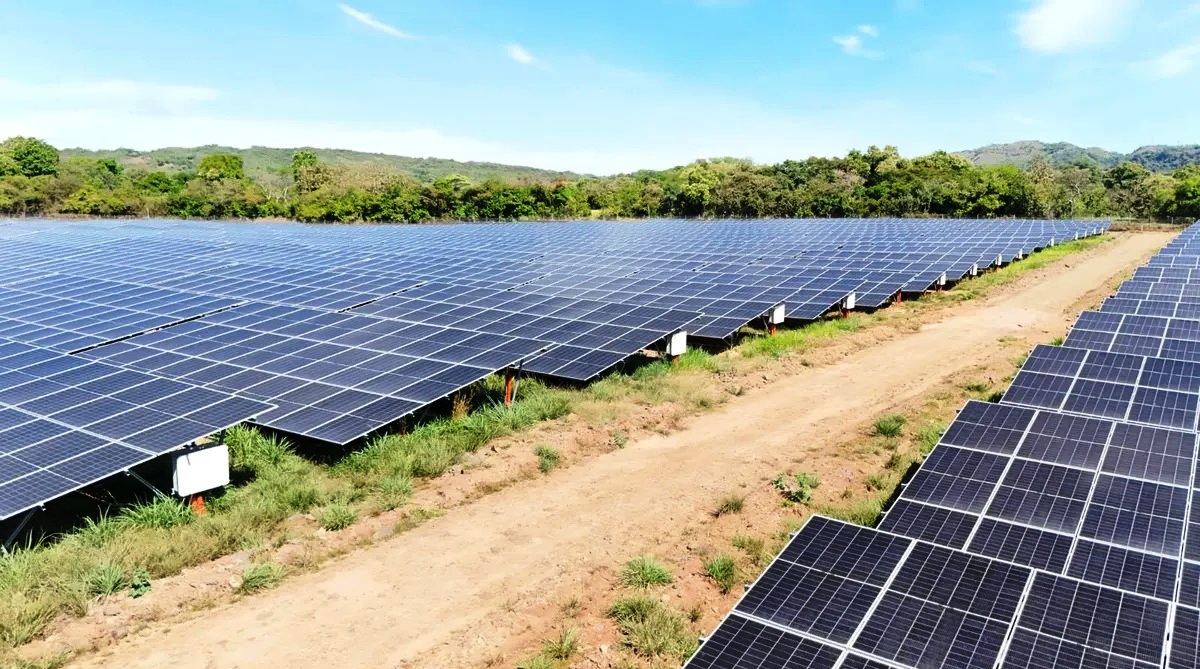
Panama’s energy storage sector is experiencing rapid growth, driven by the need to stabilize the national grid and integrate non-conventional renewables (solar and wind). The government is actively incorporating Battery Energy Storage Systems (BESS) into tenders to ensure grid reliability and optimize the generation mixKey aspects of energy storage in Panama include:
- Procurement and Policy: The National Energy Secretariat (SNE) and grid operator ETESA have integrated energy storage into major capacity and renewable tenders. Following a landmark 500MW renewable energy tender that included storage, the government is planning further capacity auctions where BESS is expected to play a critical, expanded role.
- Industrial and Commercial Resilience: Beyond utility-scale projects, businesses in Panama are adopting localized energy storage to combat grid fluctuations and power quality issues. Facilities like industrial bakeries and manufacturing plants are utilizing battery banks and uninterruptible power supply (UPS) systems to prevent equipment resets during outages.
- Off-Grid and Microgrid Solutions: Energy storage is vital for Panama’s remote communities and off-grid eco-resorts. Custom microgrids combining solar arrays with lithium-ion or AGM battery banks provide 24/7 power and reduce reliance on diesel generators.
- Key Market Players: Major operators in the Panamanian energy market, such as AES Panama, are leading the deployment of lithium-ion storage as a force multiplier to increase the capacity of existing renewable plants and minimize reliance on liquid fuels.
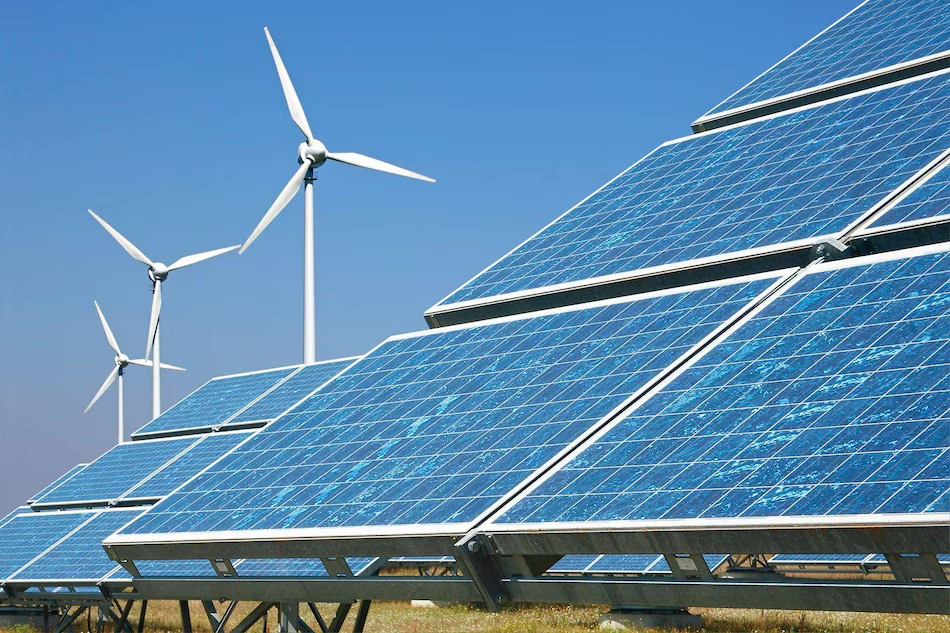
Panama’s decision to incorporate battery storage systems for the first time in the power and energy tends planned for 2027 marks a turning point in the planning of the national electricity system, just as the country faces a scenario of climate increasing uncertainty due to the possible consolidation of a new episode of the El Niño phenomenon. “Battery storage systems will have a significant role in the upcoming tenders,” Rodríguez stated, adding that the review of the Bidding Program is underway and that the new scheme, with the required capacities and eligible technologies, will be presented in November or, at the latest, in December of this year.